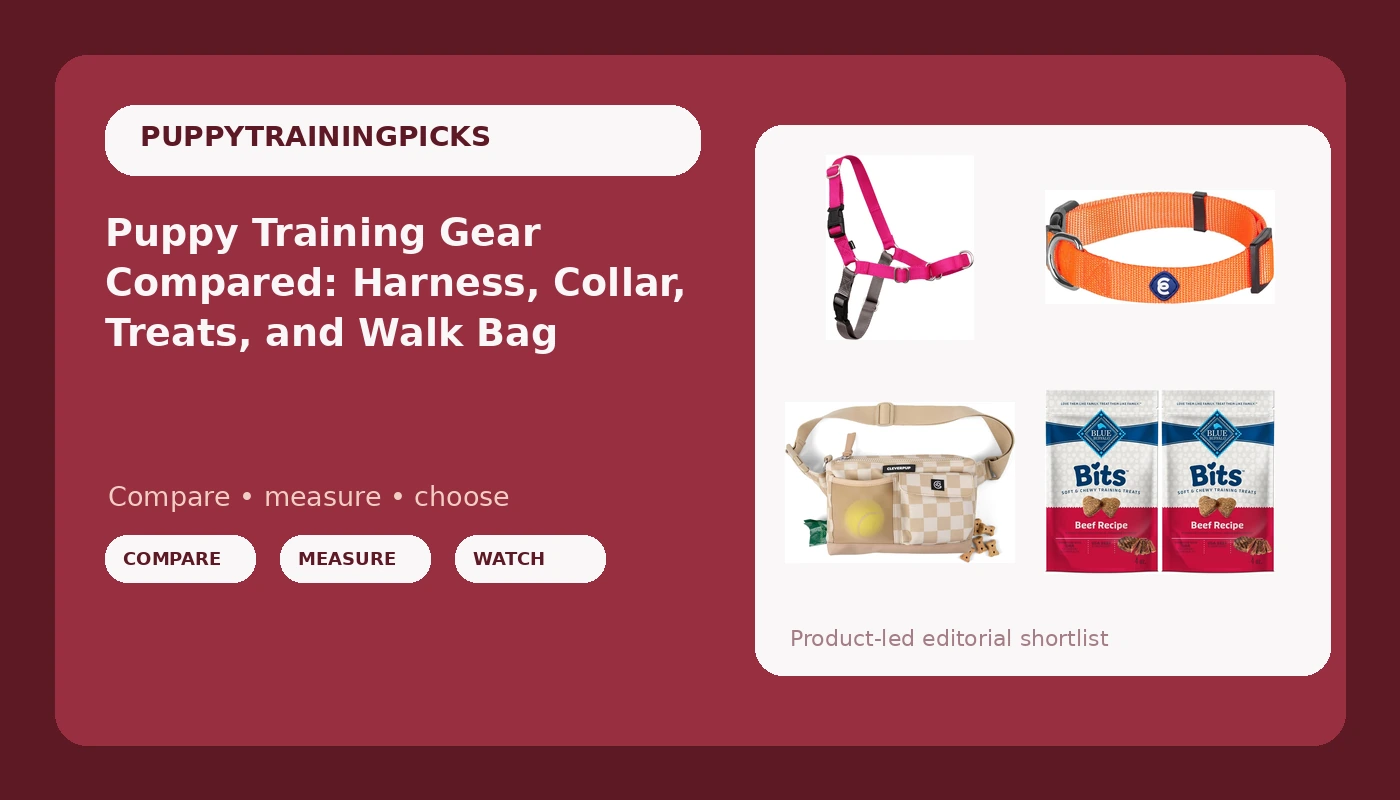
I have run a puppy kindergarten out of a church basement in Denver for four years, and before that I spent three years teaching private lessons to dogs whose owners had already tried everything. Most puppy training gear that walks into my class gets abandoned by week three. A small amount of it survives week six, which is when the puppy gets bigger, faster, and suddenly convinced that every squirrel on the sidewalk is a personal invitation.
What follows is the short list I hand to new owners. Four items, each doing one job: the walk, the identification, the treat delivery, and the logistics of having two hands and one leash. None of them rely on pain or fear, and none of them require you to already know what you are doing. That last part is the whole test. If a first-time owner cannot use a tool correctly without a coach standing next to them, it does not belong on this list.
Related: How to Fade Treats Without Losing Your Puppy's Attention
The best piece of puppy training gear for most owners is the PetSafe Easy Walk Harness, because it redirects pulling at the chest instead of the throat, and a puppy's neck is still developing. But the harness is only one of four things here. The collar holds the tags, the treats are the payment for every behavior you want to see twice, and the walking bag is what keeps your hands free while you deliver that payment on time.
The four items side by side
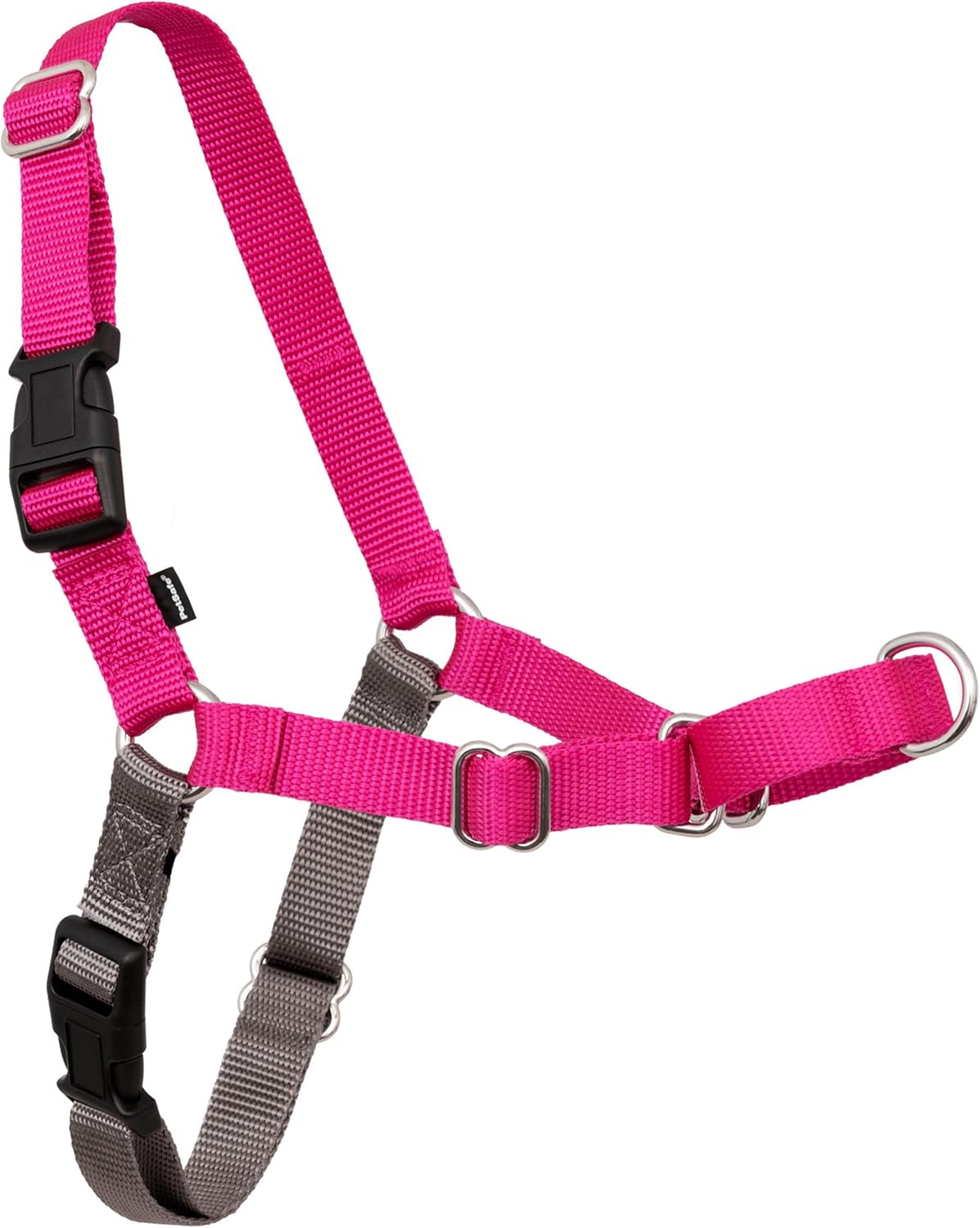
PetSafe Easy Walk Harness
Front-clip design turns pulling into a redirect instead of a throat correction, and it fits a growing puppy with room to adjust
It does not train anything by itself, and a loose fit rubs the armpits raw
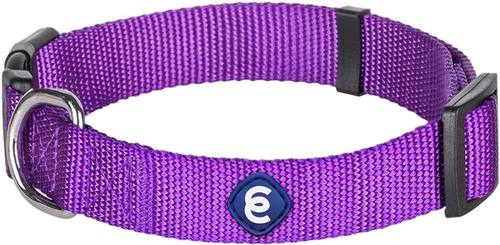
Blueberry Pet Essentials Florence Collar
Light, adjustable, and bright enough to spot across a field, which is what an ID collar is for
A flat collar is the wrong place to attach a leash on a puppy with a developing neck
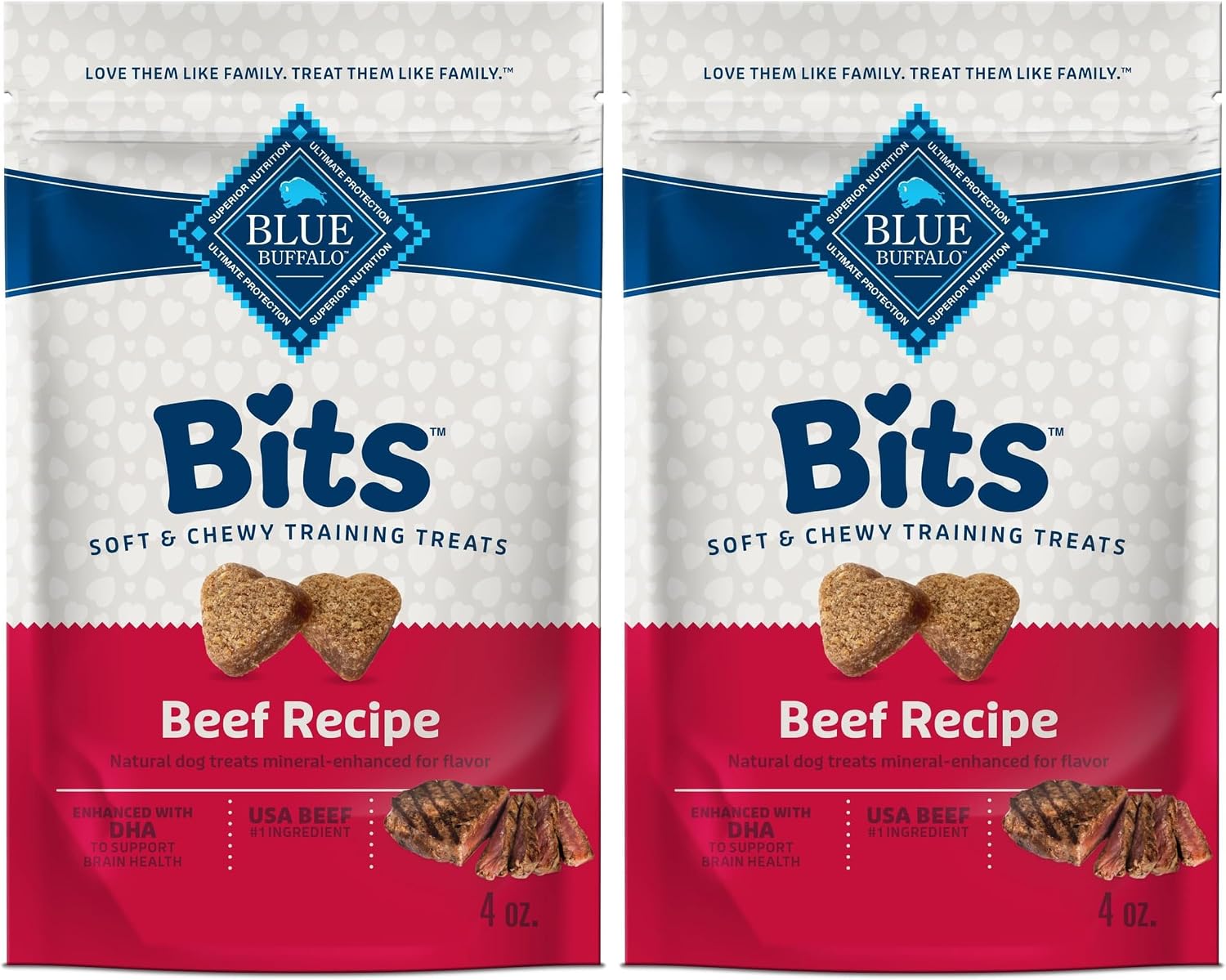
Blue Buffalo Bits Soft Training Treats
Soft enough to tear into pieces, made with natural ingredients, and enhanced with DHA
The pieces are bigger than a training repetition needs, so you have to break them
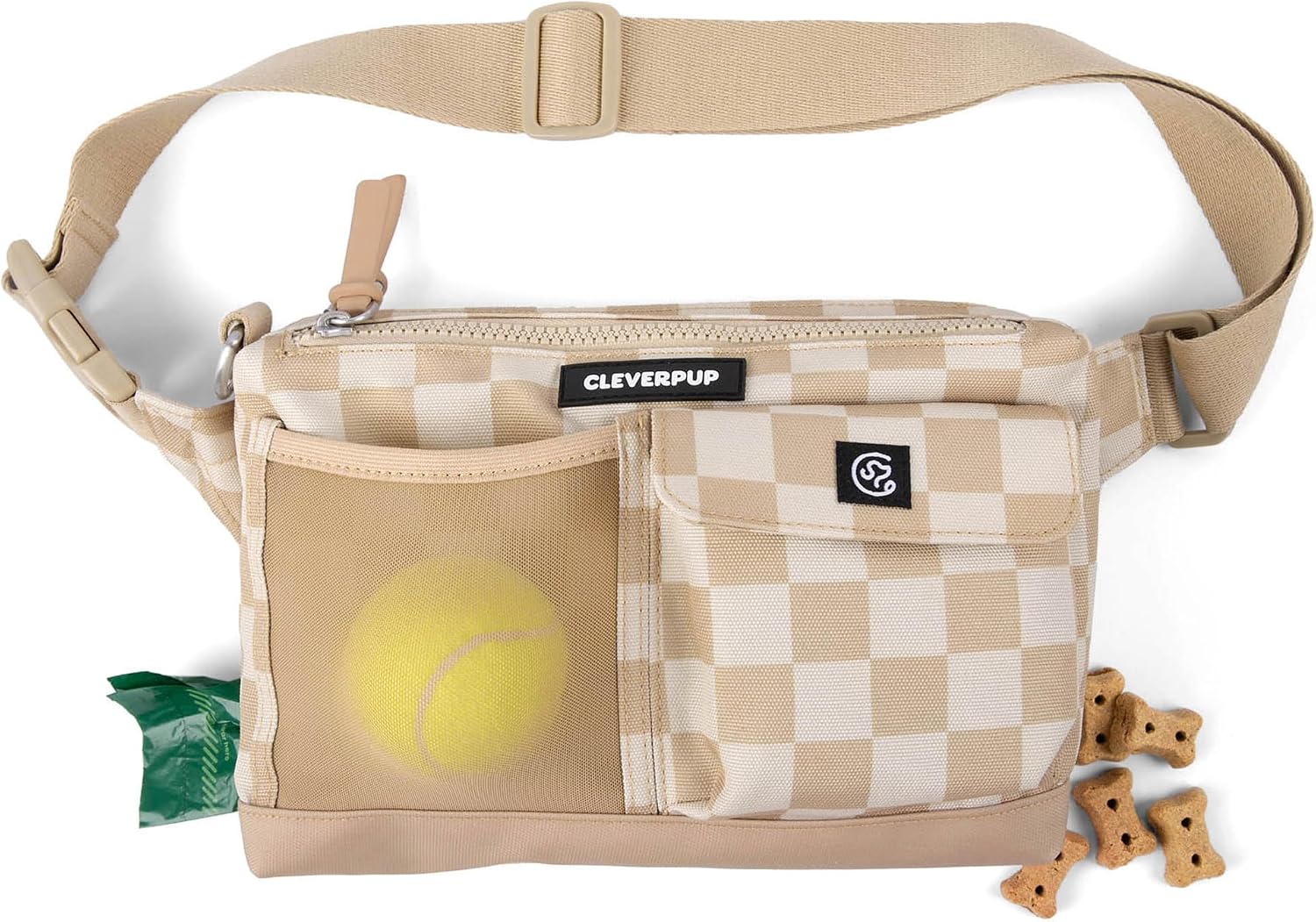
Cleverpup Walk & Train 2-in-1 Walking Bag
Keeps treats at hand level so your reward lands inside the two-second window that matters
It is a pouch, not a trainer, and you can solve the same problem for a fraction of the cost
Prices and availability were captured from Amazon Creators API and may change.
Why the harness leads the list
A front-clip harness works on geometry. The leash attaches at the chest, so when the puppy surges forward, the pressure turns him back toward you instead of letting him tow you down the block. That is not obedience and it is not magic. It is leverage, and leverage buys you the two seconds you need to mark a loose leash and pay for it.
PetSafe's Easy Walk is the version I recommend first because a first-time owner can fit it correctly in a parking lot ten minutes before class. The straps adjust at the chest and the girth, the front ring sits where you can find it with one hand, and the medium size covers a wide stretch of the adolescent months. That range matters, because puppies do not grow in a straight line. You will re-measure the girth at least once a month, and you will be surprised how much of that adjustment you actually use.
The failure mode of every harness is the armpit rub, and it is almost always a fit problem rather than a design problem. Two fingers should slide under every strap. The chest strap should sit across the breastbone, not across the windpipe. If your puppy is backing out of it, the harness is too loose, and a loose harness on a pulling dog is how you get raw skin under the front legs. My classes have seen that exact injury twice this year, both times on a harness that had never been re-fitted after a growth spurt.
The raspberry color is not a training feature. It is, however, easier to find in a pile of identical black harnesses at the end of a session, which is a real problem when eight puppies are in one room.
What the harness will not do is stop pulling on its own. Owners who clip it on and change nothing else end up with a dog who pulls in a slightly different posture. The harness makes your timing easier to apply. Your timing still does the teaching.
The collar is for tags, not for steering
Every puppy should wear a collar with identification from the first week home, and this is the one piece of gear I want on the dog before anything else. The Blueberry Pet Essentials collar in orange does that job with no drama: nylon, adjustable, light enough that a small puppy forgets it is there, and bright enough that you can spot your dog at the far end of a park.
Put the leash on the harness, not the collar. This is not a philosophical preference. A puppy's trachea and neck structures are still developing, and a flat collar plus a determined puller equals pressure on the throat for no training benefit. I see owners do it because the collar is faster to grab at the door, and then I watch the puppy cough on the way to the car.
Fit matters here too. A collar should be snug enough that it cannot slide over the ears, and loose enough that you can fit two fingers underneath. If your puppy can back out of it, it is too loose, and a slipped collar on a scared puppy is how dogs end up at the shelter. Check the fit weekly during the first six months. Orange is also a practical choice in hunting country and around busy trailheads, where visibility is worth more than aesthetics.
Treats are payment, not a bribe
The whole point of a training treat is repetition. You are going to reward a sit fifteen times in five minutes, then reward a check-in on the sidewalk, then reward a quiet moment in the crate. If each reward is the size of a marble, you have spent your puppy's entire daily calorie budget before lunch and taught him nothing except that food appears when you reach into your pocket.
Blue Buffalo Bits are soft, which is the most important quality in a training treat, and this beef recipe is made with natural ingredients and enhanced with DHA. Soft means you can tear one piece into three or four rewards. Do that. In my classes these come out of the pocket already broken, and a whole one is saved for a jackpot: the moment a puppy nails something hard, like walking past a barking dog without losing his mind.
The honest criticism is size. A whole Bit is a bigger bite than most repetitions need, and owners who use them whole end up with a puppy who is full, distracted, and slower on the next repetition. The pack of two bags is convenient, but convenience is not the same as portioning. Break them, then break them again.
The other thing nobody tells new owners is that treats are temporary by design. Fading treats is the step everyone skips and then wonders why the dog stops listening once the food disappears. Start with a treat for every correct response, then every other, then every third, then a surprise at the end of a good set. Praise and a release word fill the gaps. If you never fade, you have not trained a behavior. You have rented one.
For high-repetition work I still keep small soft treats on hand, the pea-sized kind my classes burn through weekly, and I use those for drilling while the bigger soft pieces serve as jackpots.
The walking bag solves a real problem, just not the training problem
Here is the argument for the Cleverpup Walk & Train bag: reward timing is everything, and a treat that is buried in a jacket pocket takes four seconds to reach. By then the puppy has moved on, and you have paid for the wrong behavior. A bag that sits at hand level and opens with one motion cuts that delay down to almost nothing. It is hands-free, the checkerboard pattern is easy to find in a crowded park, and it holds the clicker, the baggies, and the phone so you are not juggling four things on one leash.
Now the honest part. This is a pouch. It is a well-made pouch with a second pocket and a strap that stays where you put it, and if you walk a puppy twice a day in a city, that is worth something. But it does not train your dog, and a puppy does not care whether his reward came out of a purpose-built walking bag or a hardware-store apron. Owners who buy the bag first and the harness last have their priorities backwards.
If you already own a fanny pack, use the fanny pack. If the fanny pack swings, spills kibble in your car, and has a zipper you cannot open with one hand while a four-month-old Labrador is lunging at a pigeon, then this bag earns its place. That is the real test: can you get a treat out in one motion without looking down?
How I would sequence these four
Buy the collar first, the same week you bring the puppy home, and put tags on it before the puppy meets your staircase. Then the harness, because that is the tool that makes the daily walk survivable while you teach loose leash skills. Then treats, because you cannot run a single session without them and you will go through them faster than you expect. Then the bag, if and only if you have noticed that your reward delivery is too slow.
Total order of importance is not the same as total order of expense, which is why I get annoyed at gear lists that start with the most expensive item. The harness and the collar together cost less than most people spend on a single vet visit. The treats are consumable, so they are a monthly line item, not a one-time purchase.
What I would skip entirely
Skip pee pads if your goal is outdoor potty training. They teach a puppy that indoors is a bathroom, and then you spend a month untraining that lesson on carpet.
Skip anything marketed to puppies that vibrates, shocks, or startles. There is no version of that which is okay on a developing dog, and no shortcut it offers is worth the fallout.
Skip the harness that fits "for now." A loose harness is the number one cause of the armpit rub I mentioned earlier, and a tight one restricts the shoulder. Fit it, then re-fit it every month until the growth curve flattens out.
What I am testing next
My current project is a distraction test at a busy park with a rotating cast of adolescent puppies and a rotating cast of treats. Most soft treats fail by session two, either because they crumble in the pocket or because the puppy loses interest once the pigeons show up. The two bags in this comparison have held up better than most, mainly because they tear cleanly into small pieces instead of turning into dust.
I am also tracking how these four items hold up across a full eight-week program, because week six is where gear goes to die. A harness that still adjusts smoothly after two growth spurts and a bag whose zipper still works after forty walks are the ones that earn a permanent spot on my list.
The bottom line
If you buy one thing, buy the front-clip harness, because it changes the daily walk that everything else depends on. Add the collar for identification the day you bring the puppy home. Keep soft treats in your pocket and break them smaller than you think you need to. Add the walking bag when you notice your timing slipping, not before. The tool is ten percent of training. The other ninety percent is showing up, marking the right moment, and fading the food before your puppy decides you are no longer worth listening to.