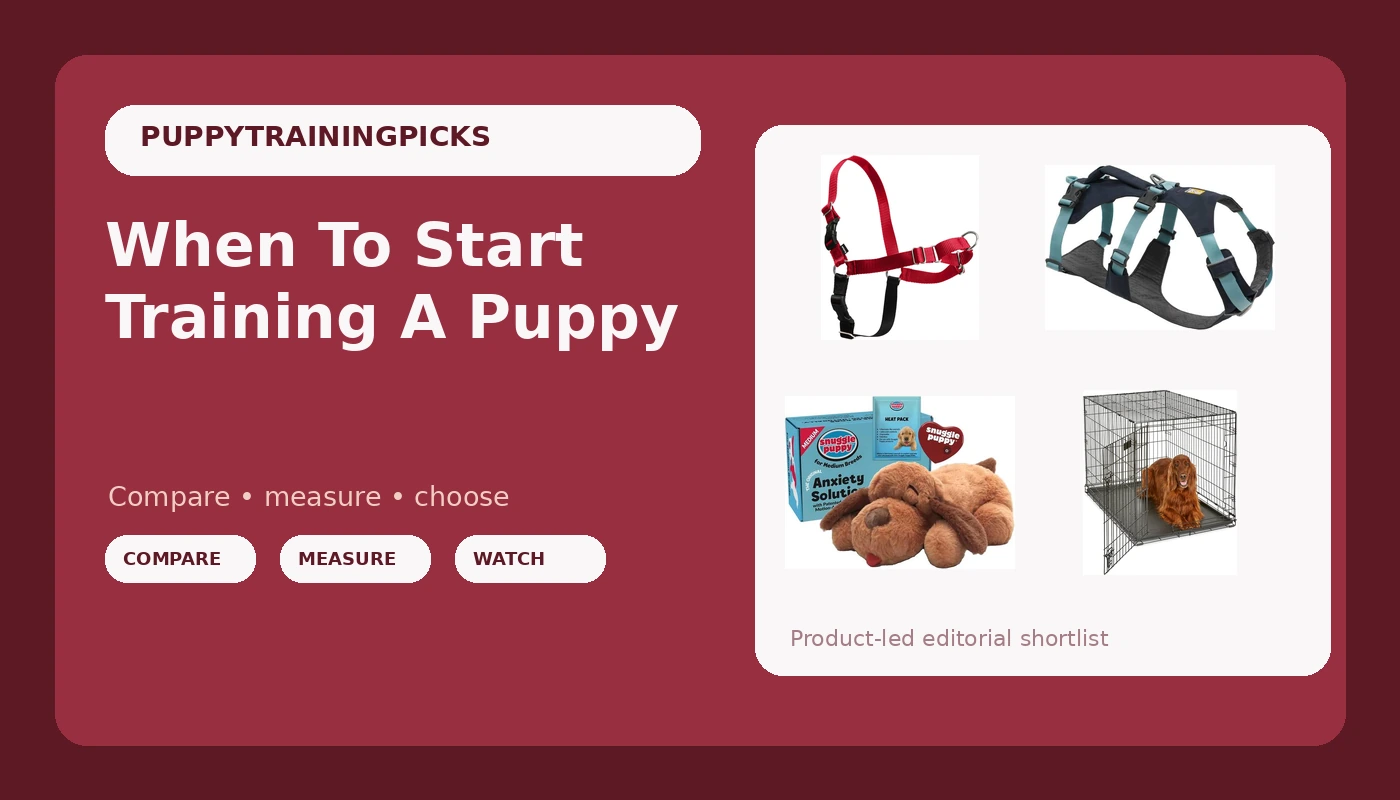
Look, I get asked this every single week in my puppy kindergarten classes, usually by an exhausted owner standing in a puddle of pee at 11 PM. The short answer is: you already started. The second you brought that land shark home, training began.
But if you're asking when to actually sit down and teach things, the real answer might surprise you.
It's not 8 weeks. It's not 6 months. It's the moment you read this, because the socialization window closes a lot faster than you think.
The best time to start training a puppy is the day you get them, but the type of training changes completely at 8 weeks, 12 weeks, and 16 weeks, and most owners miss the most important window entirely.
Here's the table I give every new owner in my classes:
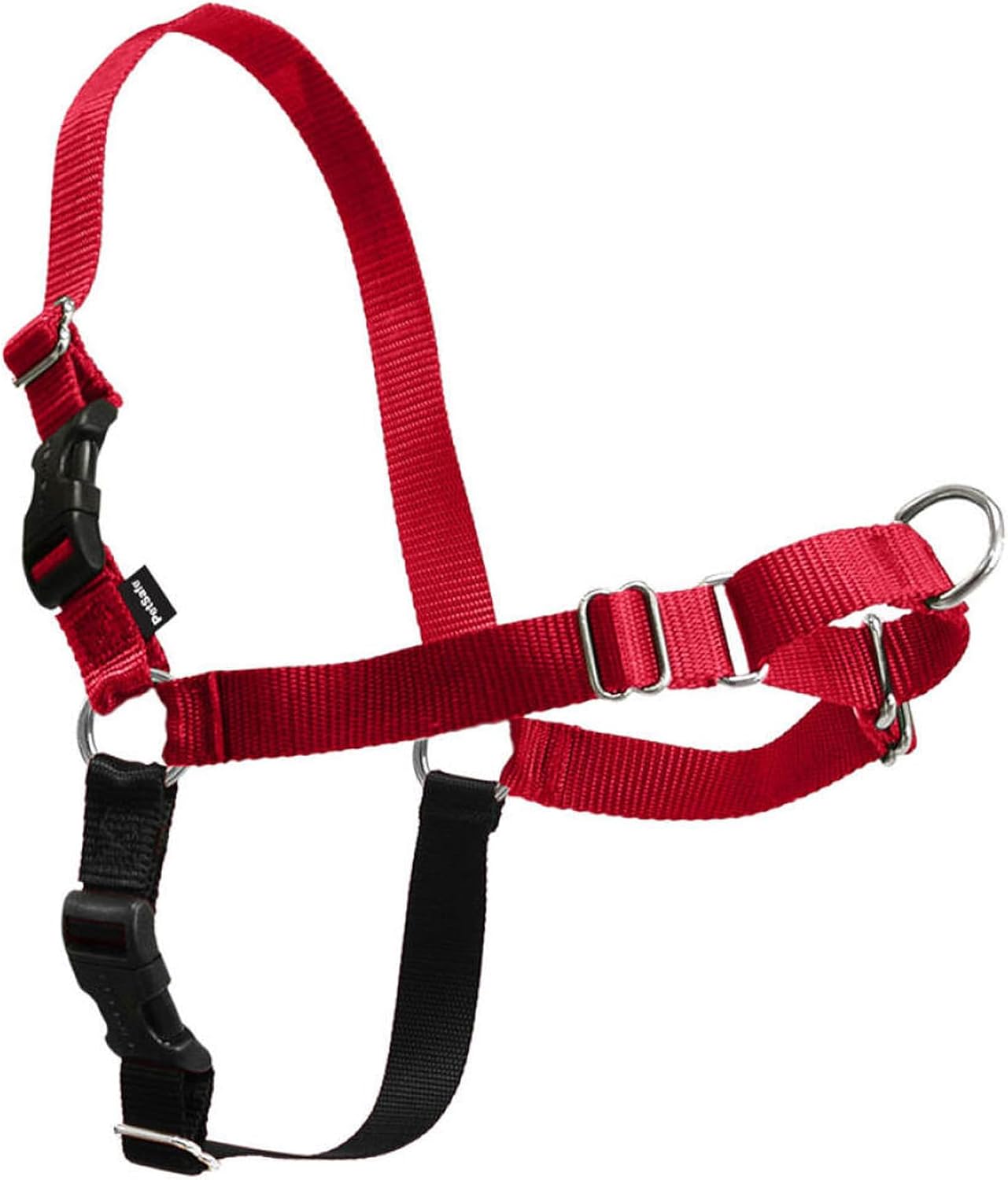
PetSafe Easy Walk Harness, No Pull Dog Harness, Red, Small
Front clip stops pulling mechanics instantly, my default for 6-month-old sled dogs
Visit on Amazon →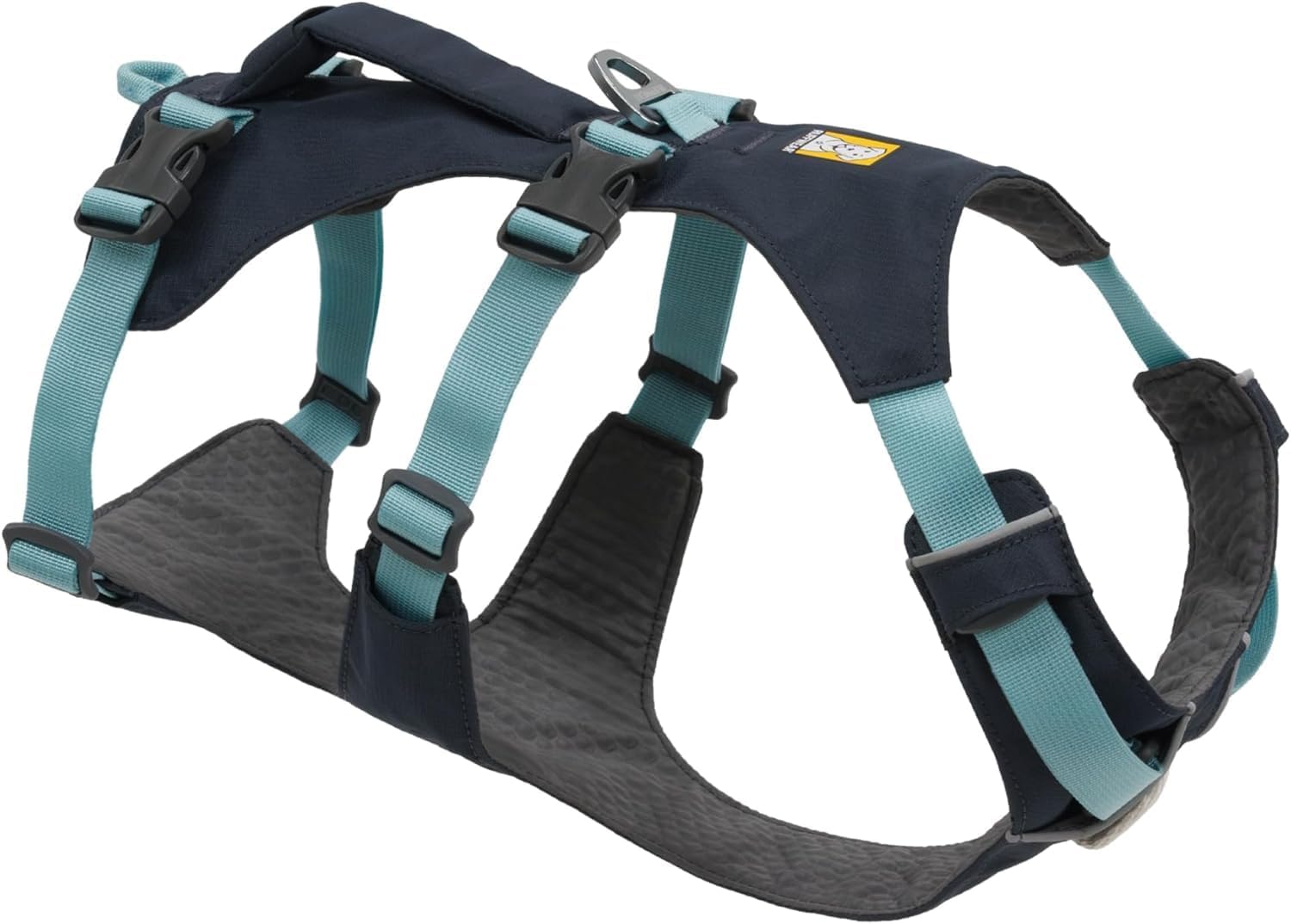
Ruffwear, Flagline Dog Body Harness, Basalt Gray, Medium
Only harness I've never seen an escape artist back out of
Visit on Amazon →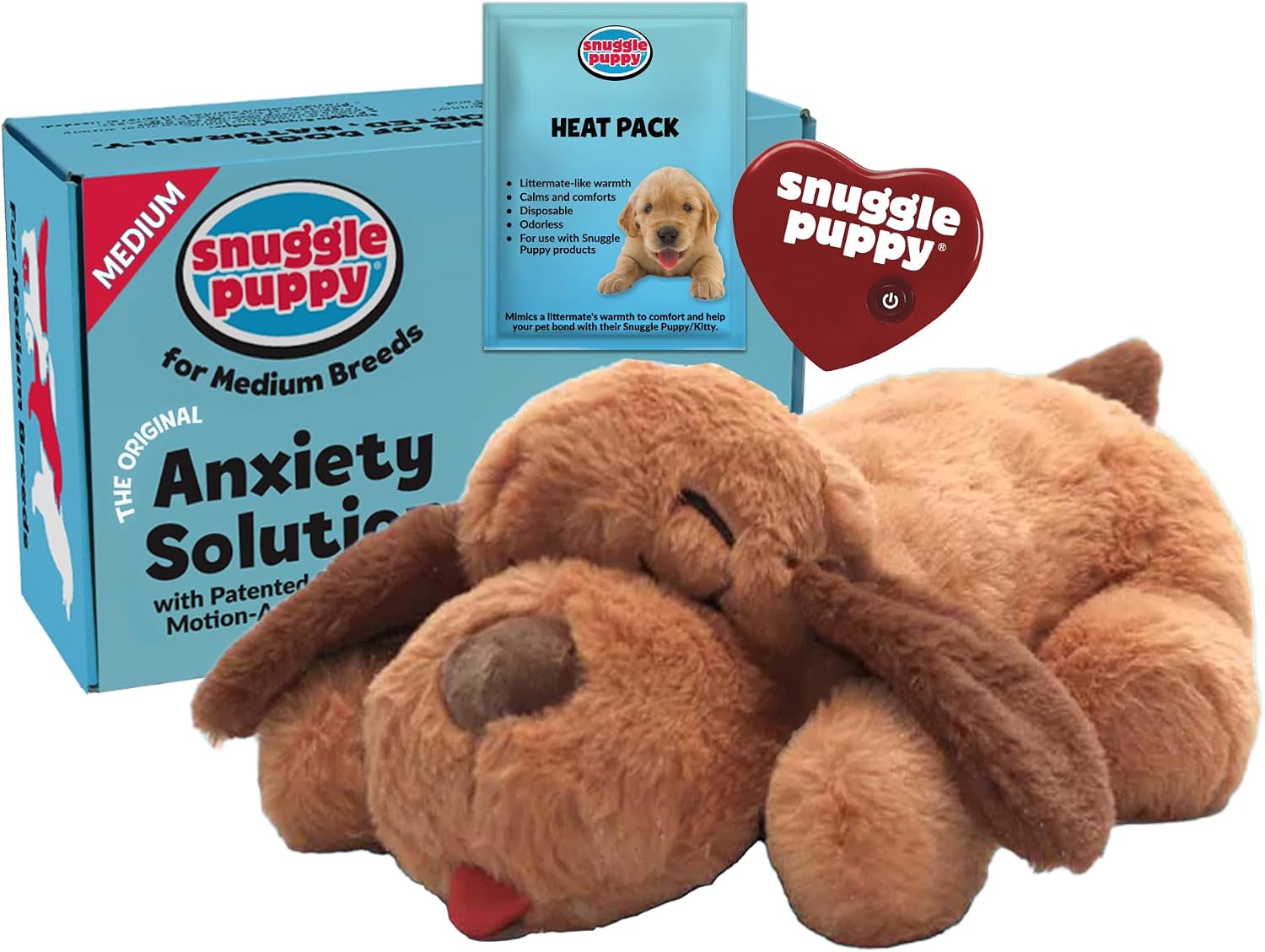
Snuggle Puppy Heartbeat Toy, Calming Comfort, Medium Breeds - Biscuit
Heartbeat toy got an 8-week-old puppy sleeping through night on day four
Visit on Amazon →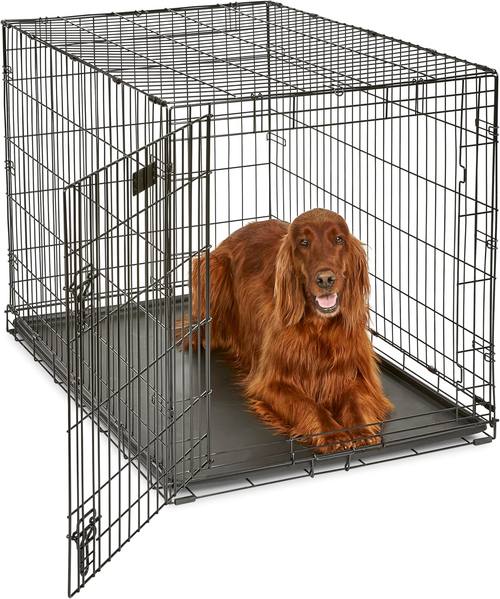
Midwest 42-Inch Single Door iCrate, for Large Breeds, 71-90 lbs
Sturdy frame survives the velociraptor phase
Visit on Amazon →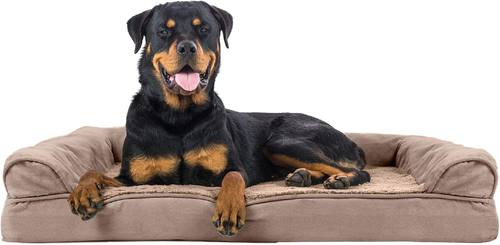
Furhaven Orthopedic Dog Bed for Large Dogs w/ Removable Bolsters & Washable Cover, For Dogs Up to 95 lbs - Plush & Suede Sofa - Almondine, Jumbo/XL
Make every walk a pleasant experience with the PetSafe Easy Walk Harness—a no-pull dog harness designed to gently discourage pulling while giving you better control over your dog. Originally developed
Visit on Amazon →When to Start: The Honest Timeline
Here's the thing nobody tells you. Your puppy is learning from the second they walk through your door. The cheap harness you bought at the big box store? That's training. The way you react when they bite your hand? That's training. The 5 AM crate screaming session? That's training too, just the wrong kind.
The real windows are these. From 8 to 16 weeks, your puppy's brain is a sponge. This is the socialization window, and it's the only time in their life when novel experiences shape their behavior permanently. Every new person, every new surface, every new sound they encounter in this window becomes "normal." Miss it, and you're playing catch-up forever.
Most owners start "training" at 6 months, when their puppy is already a 50-pound teenager who's learned that pulling on the leash gets them where they want to go. By then, you're not training. You're rehabilitating.
8 to 10 Weeks: The Foundation
At this age, your puppy has the attention span of a gnat. You're not teaching "sit" and "stay." You're teaching that you're the source of all good things. This is where the Snuggle Puppy earns its keep. I know, the heartbeat thing is weird. I said the same thing when a student brought one in. Then her 8-week-old lab mix slept through the night on day four, and I stopped joking about it.
The ~$40 price tag feels like a gimmick, but here's the math. One full night of sleep for you and your puppy in the first week is worth more than ~$40. Two nights? Priceless. The puppies in my classes that use these settle into their crates faster, cry less, and generally treat the crate as a safe space instead of a prison. That's the foundation of everything.
10 to 14 Weeks: The Leash Starts Here
This is the window most owners waste. Your puppy is big enough to walk, but small enough to control. This is when I fit them for their first real harness, and this is where the PetSafe Easy Walk shines.
The front clip is the whole game. When your puppy pulls, the clip redirects their momentum back toward you. It's not magic, you still have to train, but it makes the training possible. I've watched a 6-month-old GSD mix who was dragging his owner down the block learn loose-leash walking in three sessions with this harness.
The ~$30 price is the sweet spot. It's not the cheapest option, but it's not the Ruffwear at ~$60 either. The caveat is fit. I've seen this harness rub the armpits raw on dogs with deep chests. If you're fitting it yourself, check for chafing after every walk in the first week.
14 to 16 Weeks: The Last Chance Window
This is the end of the socialization window, and it's when most owners realize they should have started earlier. Your puppy is hitting the velociraptor phase. The chewing is relentless. The leash is suddenly delicious. The bed is a chew toy.
This is where durability starts to matter, and this is where I see owners make the false economy mistake. They buy the ~$15 harness from Amazon because it fits today. Three weeks later, the plastic buckle cracks on a walk, and their puppy is loose near traffic. I've had this exact conversation with three students this year.
The Ruffwear Flagline at ~$60 is the only harness I've never seen a puppy escape. The third strap around the belly is the difference. I've watched Houdini dogs back out of every other harness on the market, and the Flagline holds them every time.
The price is steep, but do the math: ~$60 divided by 2 years of daily walks is 8 cents a day. The ~$15 Amazon special divided by 3 weeks is 71 cents a day.
That's the real price.
Crate Training: The Gear That Actually Matters
The Midwest crate is the standard for a reason. The frame is solid, and it survives the velociraptor phase. But the pan scratches within months, and I've seen rust within a year. The zipper on the fabric cover breaks, too. I've had three students report that exact failure.
It's a good crate with bad accessories, and you should plan to replace the pan eventually.
The real issue is the training, not the crate. Owners expect the crate to do the work. It doesn't. You have to build the association: feed meals in there, toss treats in, close the door for 30 seconds and open it again. Don't ignore the crying. Crate screaming is the sound of a training plan gone wrong, and it usually means you've moved too fast. Go back a step.
The Bed Question
The Furhaven bed is the best-selling bed on Amazon, and it's also the most-complained-about bed in my classes. At ~$35, it's soft, it looks great in photos, and it's a pancake in three weeks under any dog over 40 pounds. I've had students report their 65-pound dog sleeping on the floor because the bed is mush.
For a 15-pound puppy, it's fine. For a growing adolescent, it's a waste of money.
The alternative is the Kuranda bed, which is a cot, not a pillow. It's elevated, so it's cool in summer and easy to clean. It costs ~$80 to ~$120, which feels like a lot, but it's the last bed you'll buy. I've had mine for three years, and it's still in perfect shape.
Should You Start Training Today?
Yes. Not next week, not when the puppy is "calmer," not when you've read one more article. Today. The gear matters, but it's secondary. The harness and the crate and the bed are tools, not solutions. The solution is the training you do with them, starting now.
If you have an 8-week-old puppy, you're in the golden window. Start with the Snuggle Puppy for the crate, the Easy Walk for the leash, and short 5-minute training sessions throughout the day. If you have a 6-month-old adolescent who's already learned to pull, start with the Easy Walk and be patient. It's not too late, but it's later than it should be.
If you have a Houdini dog who escapes every harness, skip the budget options and go straight to the Ruffwear Flagline. The ~$60 price tag will feel steep until your puppy is loose near a road, and then it'll feel like the best money you ever spent.
I'm currently testing five harnesses with my classes, including a budget front-clip model I've never seen before. I'll report back when I have data, not before. In the meantime, start training. Your puppy is already learning, whether you teach now or wait.