Related: Puppy Training Schedule: Week-by-Week for the First 16 Weeks
Puppy Schedule For The First Week Home
The first week home is not about training. It's about survival. You're sleep-deprived, your puppy is confused, and the only thing both of you agree on is that the witching hour is a war crime. After seven years as a professional trainer and four running a puppy kindergarten that graduates thirty-plus puppies a month, I've watched hundreds of owners stumble through this week.
The ones who make it have a schedule. The ones who don't end up with a dog who pees on the rug at 11 months because they never got the house training foundation right.
Here's the schedule I give every owner in my class, plus the gear that actually survives it.
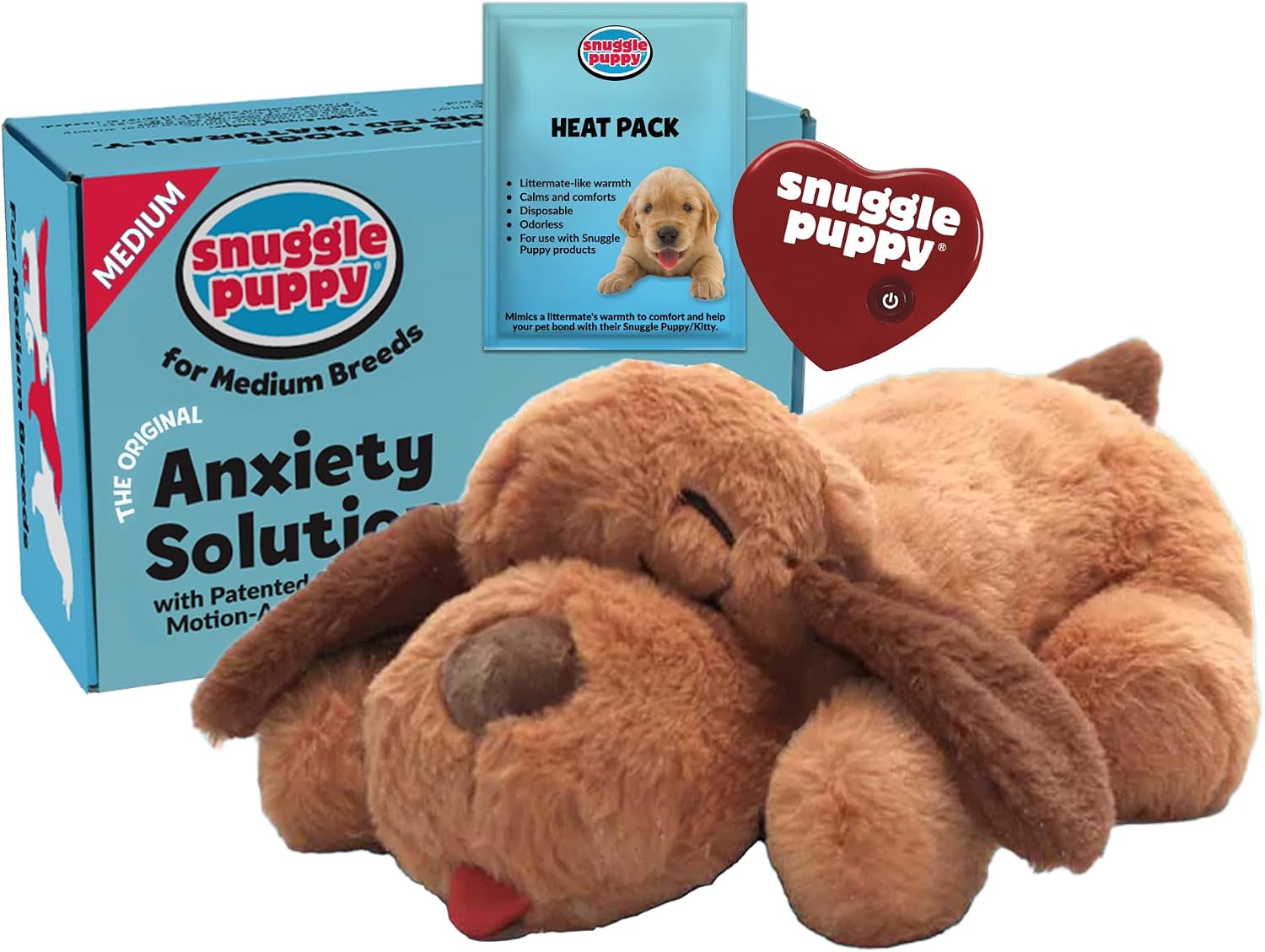
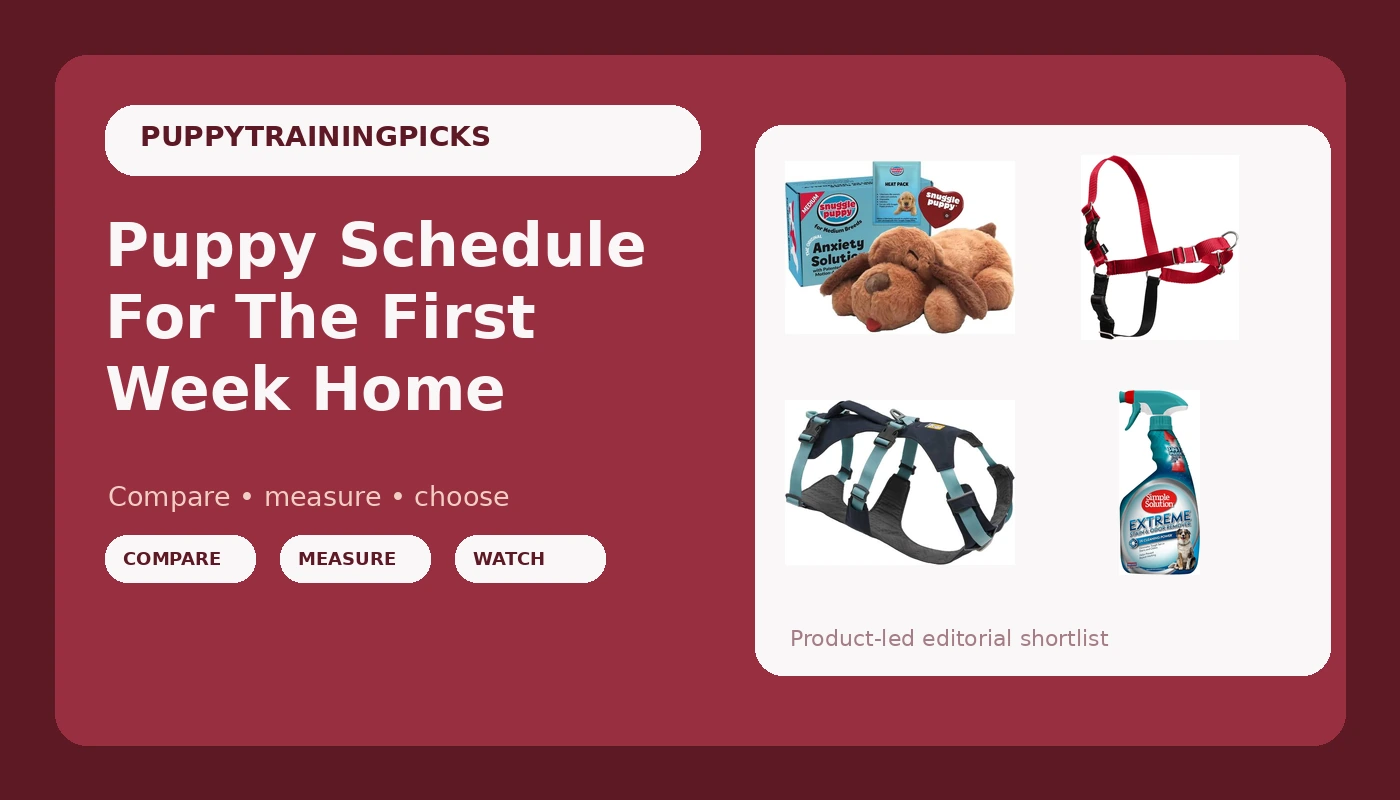
Snuggle Puppy Heartbeat Toy, Calming Comfort, Medium Breeds - Biscuit
Gave my 8-week-old students their first full night of sleep by day four
Visit on Amazon →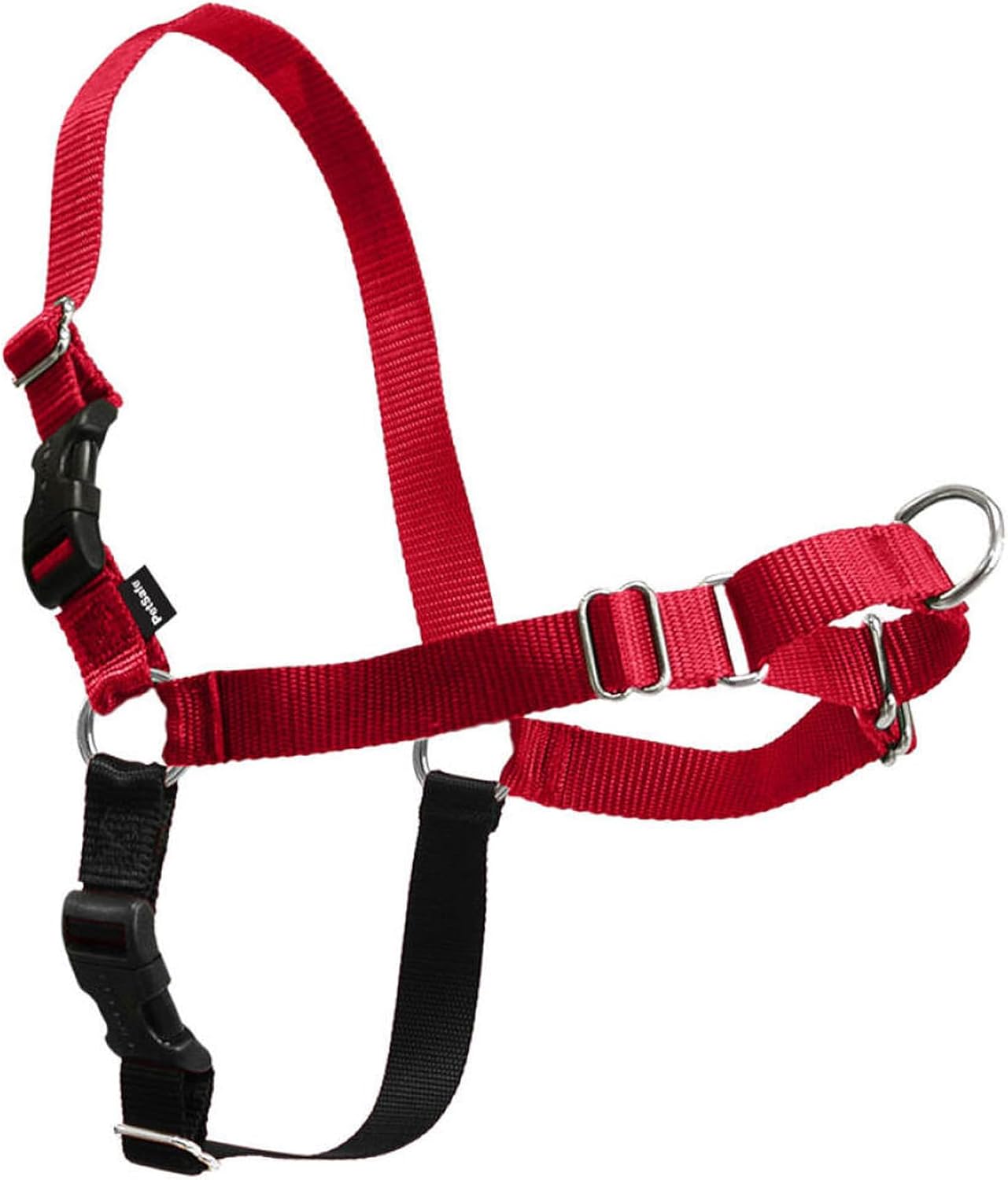
PetSafe Easy Walk Harness, No Pull Dog Harness, Red, Small
Make every walk a pleasant experience with the PetSafe Easy Walk Harness—a no-pull dog harness designed to gently discourage pulling while giving you better control over your dog. Originally developed
Visit on Amazon →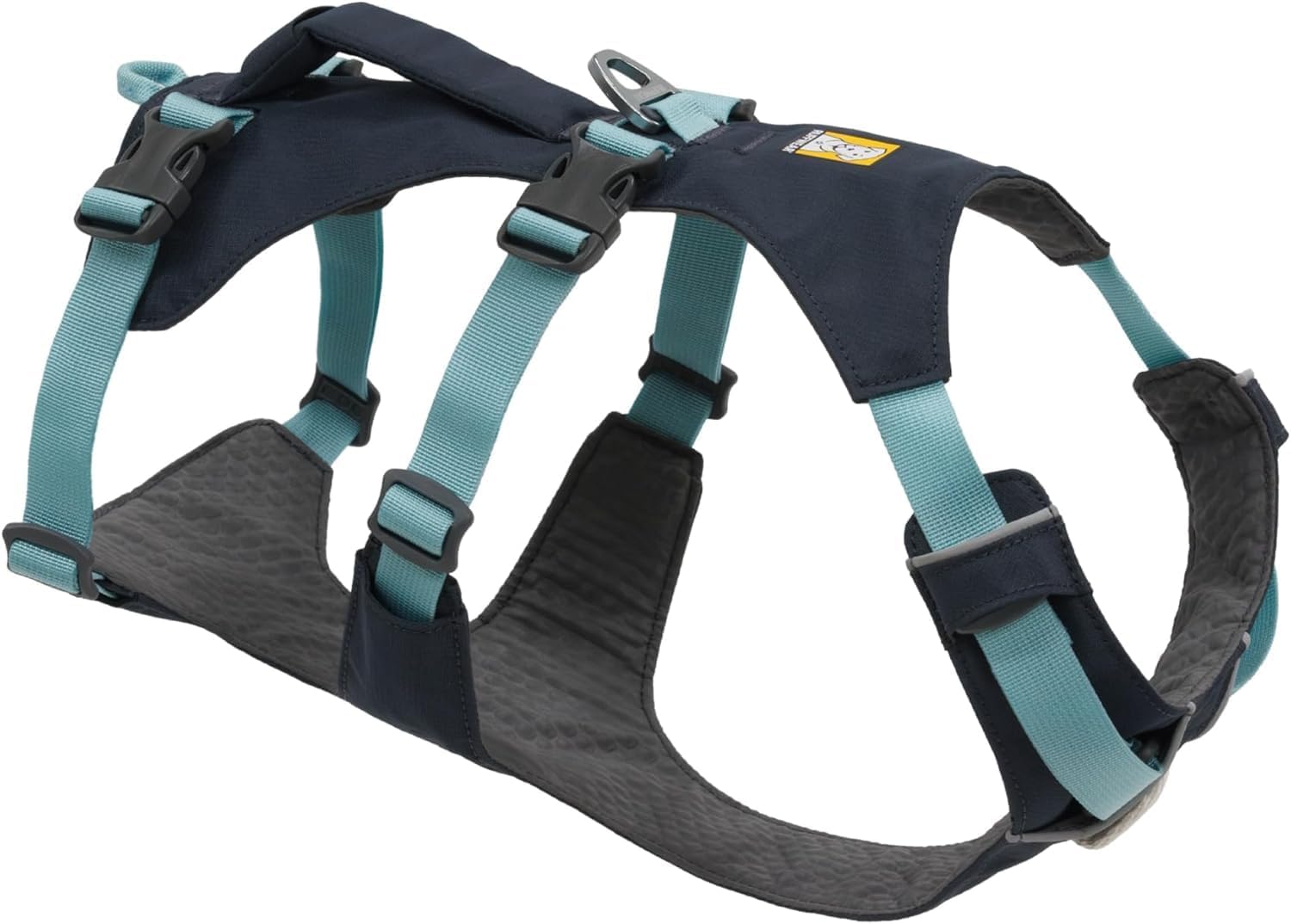
Ruffwear, Flagline Dog Body Harness, Basalt Gray, Medium
Only harness I've never seen a puppy escape
Visit on Amazon →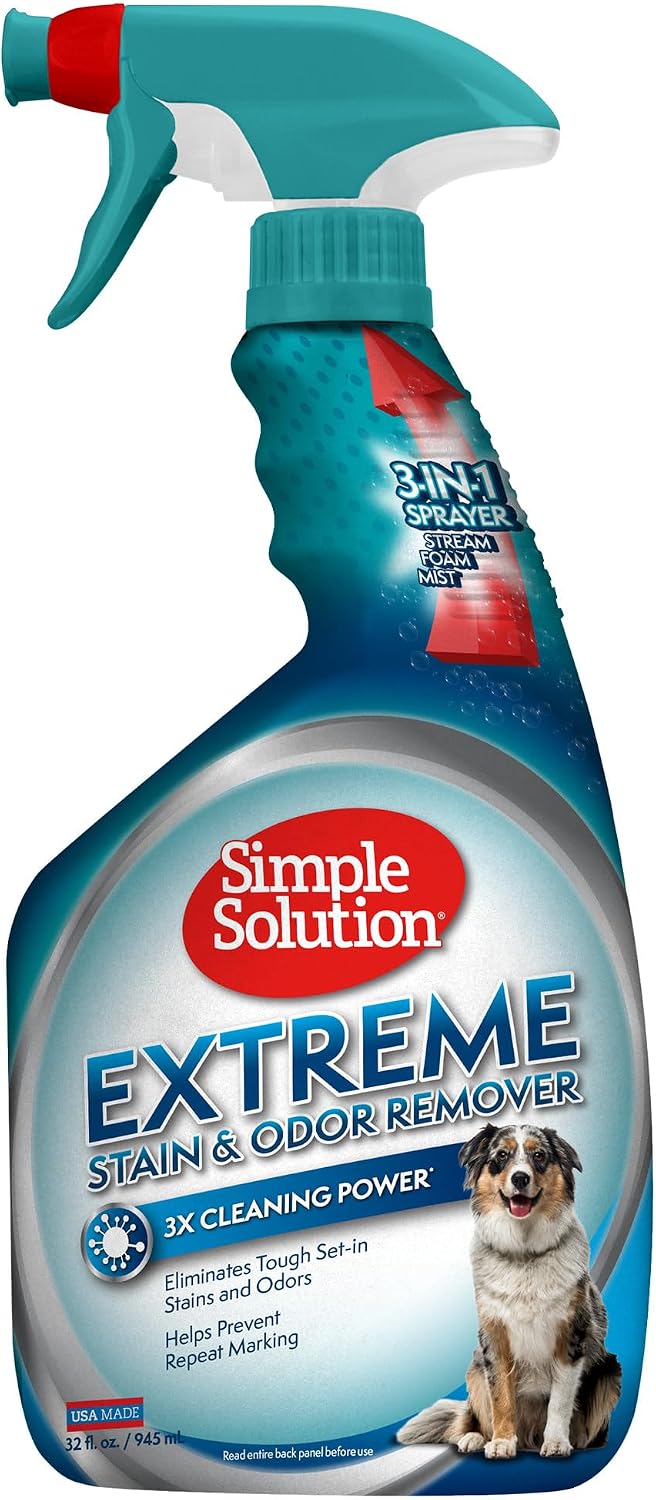
Simple Solution Extreme Stain & Odor Remover, Enzyme Stain Cleaner, 32oz
Actually breaks down pee proteins
Visit on Amazon →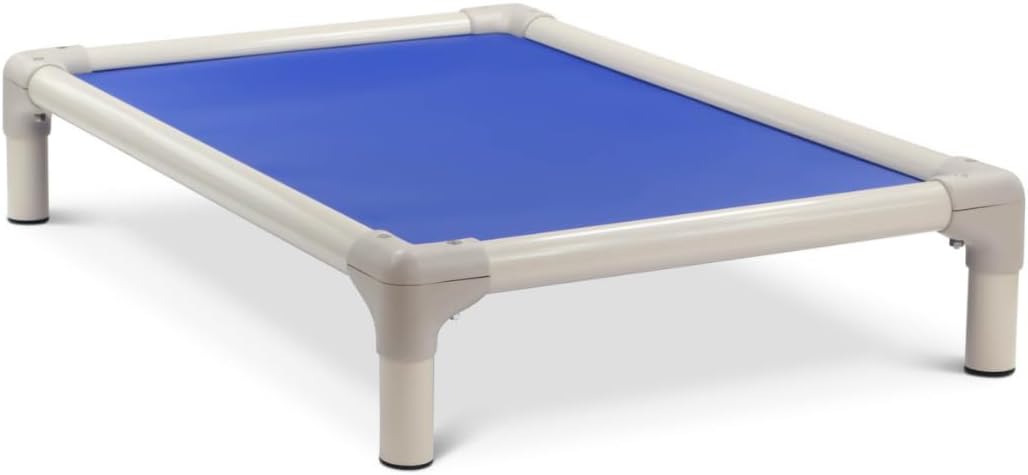
Kuranda Chewproof Elevated Pet Bed - Almond PVC - 40" x 25" - Heavy Duty Vinyl - Royal Blue
Survived three years with my 65-pound foster dog
Visit on Amazon →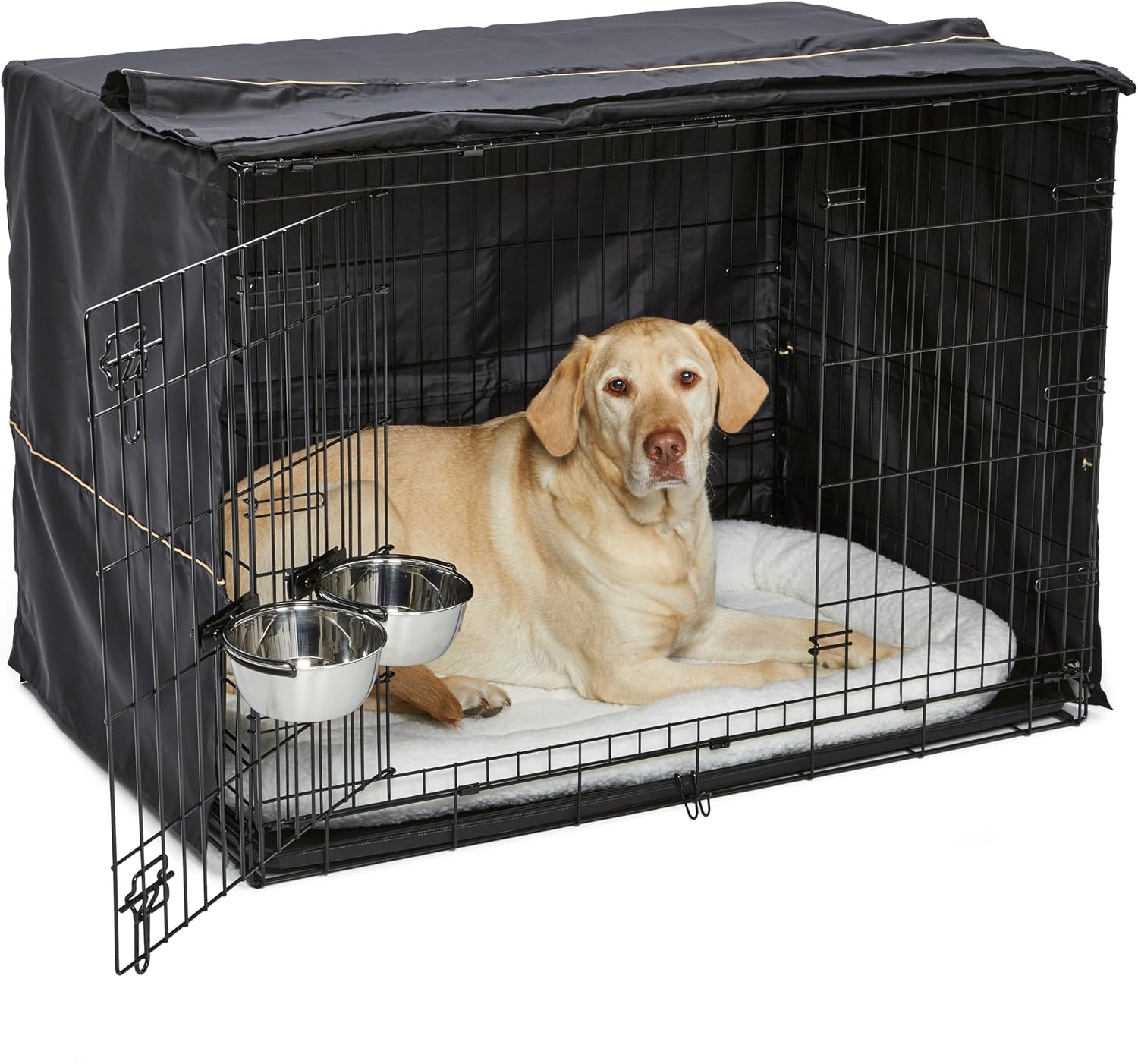
MidWest Homes for Pets Double Door iCrate Starter Kit, 42-inch Dog Crate Bundle for Large Dogs, Includes Cage, Pet Bed, 2 Bowls and Privacy Cover
Solid crate, fair price
Visit on Amazon →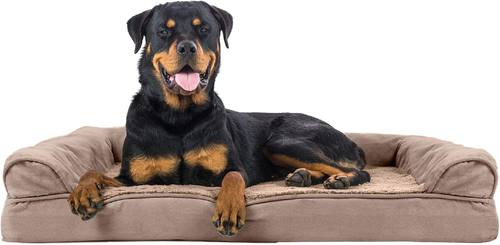
Furhaven Orthopedic Dog Bed for Large Dogs w/ Removable Bolsters & Washable Cover, For Dogs Up to 95 lbs - Plush & Suede Sofa - Almondine, Jumbo/XL
Soft and cheap
Visit on Amazon →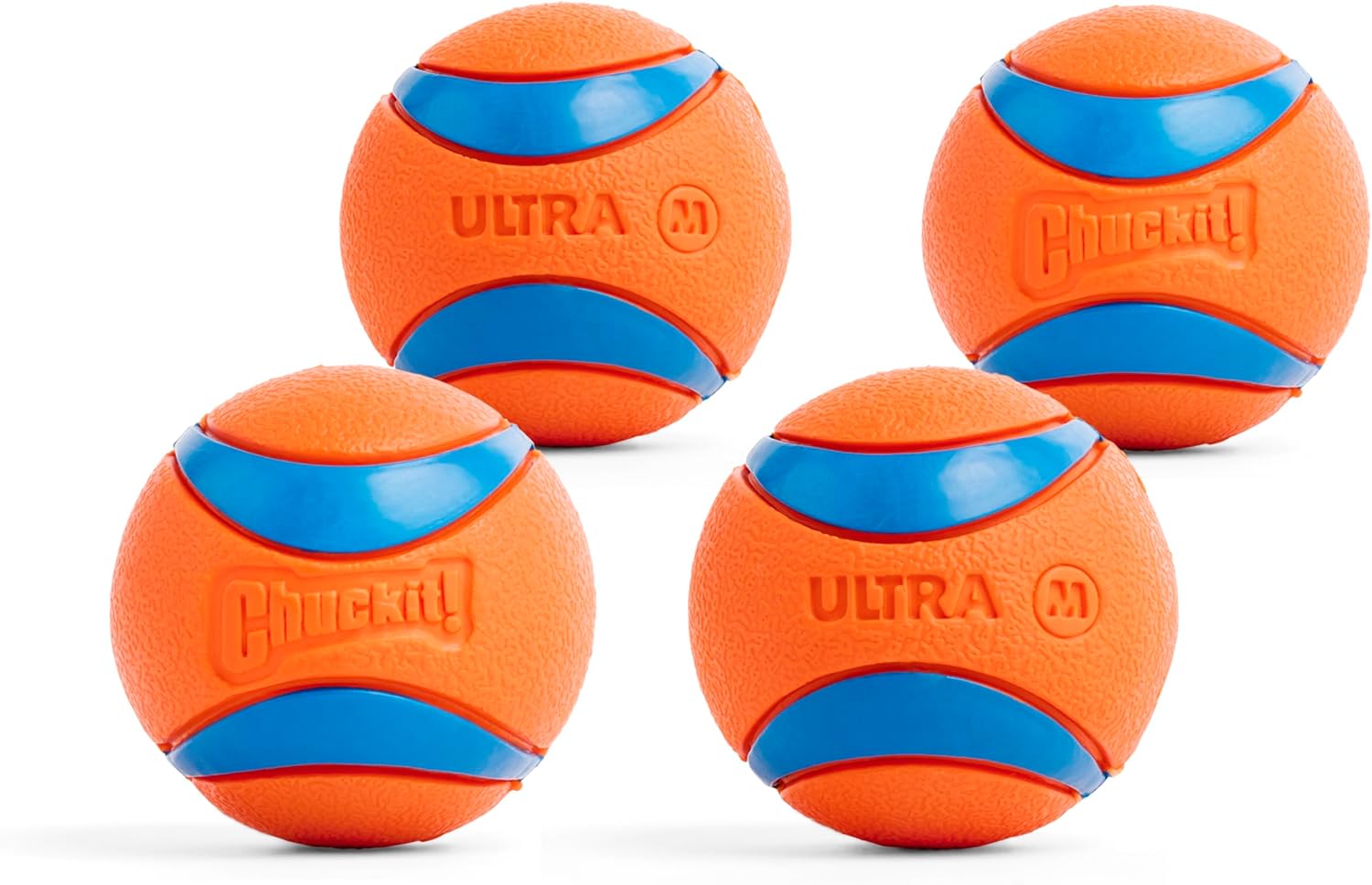
Chuckit! Ultra Ball Dog Toy, Durable Rubber, Floats, Medium 2.5in, 4 Pack
Make every walk a pleasant experience with the PetSafe Easy Walk Harness—a no-pull dog harness designed to gently discourage pulling while giving you better control over your dog. Originally developed
Visit on Amazon →Why You Should Trust Me
I'm Marcus. I've been a professional dog trainer for seven years, and I've run a puppy kindergarten program for four. I've owned 14 harnesses, 9 leashes, and 6 beds. My own dog, Waffles, is a golden retriever mix I got two years ago as a 12-week-old, and I did everything wrong at first.
I bought the cheap stuff, watched it break, and learned the hard way. I test every product the way my classes do: eight-week structured programs with real puppies, real distracted sidewalks, and real owners who don't practice between sessions.
The question isn't whether a product works on day one. It's whether it survives week six, when your puppy is a teenager and the novelty has worn off.
How I Picked
My criteria are simple. Does it rely on pain or fear? If yes, it's out. Can a first-time owner use it correctly without a degree in animal behavior? If it needs a manual, it's not practical. Does it survive week six with a teenager puppy? If it breaks, bends, or becomes a chew toy, it's a waste of money.
Would I use it in my own class? If I wouldn't put it on Waffles, I won't recommend it to you. I also check the complaint patterns in real buyer reviews.
When thirty owners report the same zipper breaking, that's not bad luck. That's a design flaw.
The Schedule
Here's the thing about the first week home. Puppies are creatures of routine, and the routine is the training. Every accident, every bite, every sleepless night is a signal that your schedule is off. This is the schedule I give every owner in my class, and it's the one that has gotten more puppies through the first week than any single product I've ever recommended.
7:00 AM - Wake Up and Potty
The puppy has been in the crate for six hours. That's the max a 9-week-old can hold it. Take them out on a leash to the exact same spot every time. Wait. The moment they pee, mark it with "yes" and give them a treat.
Then bring them back inside. No play, no breakfast, no attention. The pee is the reward. If they don't pee, bring them back in, crate them for 15 minutes, and try again.
Don't let them wander the house. That's a pee tornado waiting to happen.
7:30 AM - Breakfast
Feed the puppy in the crate. This builds the association that the crate is a good place. Toss the food in, close the door, and let them eat in peace. While they eat, make your own coffee. You'll need it.
After breakfast, straight outside again. The rule is: what goes in must come out. Eating stimulates the digestive system.
If you don't take them out within 15 minutes, you're asking for an accident.
8:00 AM - Playtime
This is the window where your puppy is awake and engaged. Use it for training. Five minutes of name recognition, five minutes of "sit," five minutes of hand targeting. The key is short sessions. A 9-week-old has the attention span of a goldfish.
If you push past ten minutes, you're both going to be frustrated. Then it's back in the crate for a nap.
Puppies sleep 18 to 20 hours a day. If your puppy is biting everything in sight, they're overtired. Crate them, cover the crate, and let them sleep.
10:00 AM - Potty Break
Another trip outside. Same spot, same routine. This is the part of the schedule most owners skip. They think the puppy doesn't need to go because they just went. They're wrong. A 9-week-old has a bladder the size of a grape. They need to go every two hours, minimum. If you're not taking them out on a schedule, you're setting both of you up for failure.
12:00 PM - Lunch and Play
Same as breakfast. Feed in the crate, take them out 15 minutes later, then play and train for 15 minutes. Then back in the crate for another nap. This is the rhythm of the first week. Eat, potty, play, sleep. Repeat. It's boring, but it works.
2:00 PM - Potty Break
Another trip outside. You'll be sick of the sight of your backyard by day three. That's normal. Stick with it.
4:00 PM - Enrichment
This is when the velociraptor phase starts to creep in. The puppy is awake, bored, and looking for something to chew. Give them a puzzle toy or a treat-dispensing ball. I've had good luck with the Kong Wobbler for this. It keeps them busy for 15 minutes and wears out their brain. No, it's not "indestructible." Nothing is. But it survives the first week, which is what matters.
6:00 PM - Dinner
Same routine. Feed in the crate, take them out 15 minutes later. By now, your puppy should be starting to get the hang of the crate. If they're not, go back a step. Toss treats in, close the door for 30 seconds, open it. Build the association slowly. Don't let them cry for an hour at 2 AM. That's how you get a puppy who hates the crate forever.
8:00 PM - The Witching Hour
This is the 7 to 9 PM zoomies. Your puppy will run laps around the living room, bite everything in sight, and refuse to settle. It's normal. It's exhausting. The best thing you can do is keep them on a leash in the house so they can't get into trouble, and practice some calm settle training.
Lure them onto a mat, reward them for lying down, and gradually increase the duration. This is the foundation of the calm behavior you'll need for the next year.
9:00 PM - Potty and Wind Down
Last potty break of the night. Then it's quiet time. No more play, no more training. Dim the lights, put on some white noise, and let your puppy settle. This is the time to introduce the Snuggle Puppy if you're using it. The heartbeat thing feels like a TV infomercial. I get it. But I've seen it give an 8-week-old puppy their first full night of sleep on day four. That's worth the ~$40.
10:00 PM - Crate for the Night
Put the puppy in the crate. Set an alarm for 2 AM and take them out. I know, I know. You just fell asleep. But a 9-week-old can't hold it through the night, and if you don't take them out, they'll pee in the crate, and then you've got a bigger problem. The 2 AM potty break is non-negotiable. It's also temporary. By week three, most puppies can make it through the night.
Snuggle Puppy
I recommended this to a student whose 8-week-old lab was scream-crying every night. She was ready to return the puppy, honestly. I told her to try the Snuggle Puppy, and she emailed me on day four: "He slept through the night.
I cried." The heartbeat thing is weird. It feels like something you'd see on late-night TV. But the evidence is too strong to ignore.
I've had dozens of owners report the same thing. The puppy curls up against it, feels the warmth and the heartbeat, and settles.
It's not magic. It's biology. Puppies are hardwired to sleep next to a warm body, and this simulates that.
The flaws? The cover is machine washable, which is good, because your puppy will chew it. And the heartbeat mechanism is fragile.
Don't let your puppy treat it as a chew toy. But for the first two weeks home, it's worth every penny.
PetSafe Easy Walk
The front clip harness is the single best training tool for pullers. I recommend it to every owner with a 40-pound adolescent dog who's being dragged down the sidewalk. It works because it changes the physics of the walk.
When your puppy pulls, the clip redirects their momentum back toward you. That gives you a moment to capture their attention, reward the slack in the leash, and build the behavior you want.
It's not perfect. It can rub under the armpits if it's not fitted right, and some dogs hate the feeling of the martingale loop on the neck.
But for a 6-month-old GSD mix who's pulling like a sled dog, it's the best ~$30 you'll spend. The key is to pair it with training.
The harness is a tool, not a solution. You have to teach your puppy that walking next to you is more rewarding than dragging you down the block.
Ruffwear Flagline
The Flagline is the only harness I've never seen a puppy escape. I've had owners come to me in tears because their Houdini dog backed out of every harness they tried. The Flagline has a third strap around the belly, a mini-body harness, and it's the only one that's held.
It costs ~$60, which is twice what most people want to spend, but I've watched it stop panic attacks on walks.
One buyer told me her 5-month-old rescue "backed out and ran" on every harness she tried. Her words: "I was terrified she'd get hit by a car." The Flagline ended that fear.
It's not for every dog. If your puppy doesn't escape, it's overkill. But if you have a Houdini, this is the answer.
Simple Solution Enzymatic Spray
If you don't use an enzymatic cleaner, your puppy will keep peeing on the same spot. It smells like pee to them even if it's invisible to you. Regular cleaners just mask the smell. Enzymatic cleaners break down the proteins in the urine.
That's the science. That's the difference. Simple Solution costs ~$12 a bottle, and I go through one a month.
It works on carpet, on the couch, on the car seat. The flaw is that it needs 15 minutes to work. Owners rush it.
They spray, wipe, and walk away, and then wonder why the puppy pees in the same spot again. Spray it, leave it, let it dry.
That's the whole trick.
Kuranda Cot Bed
The Kuranda bed is the opposite of a pillow bed. It's a cot, and it's the only bed I've never seen chewed up. My 65-pound foster dog has slept on it for three years, and it's still in perfect shape. It's elevated, so it's cool in summer and easy to clean.
It costs ~$95, which feels like a lot, but it's the last bed you'll buy. The Furhaven bed, by contrast, is the most popular bed on Amazon, and I understand why.
It's ~$35, it's soft, and it looks great in photos. But it flattens into a pancake in three weeks under any dog over 40 pounds.
I've had students report their 65-pound dog sleeping on the floor because the bed is mush. If you have a small dog, it's fine.
If you have a growing puppy, it's a waste of money.
MidWest iCrate
The MidWest crate is fine. The crate itself is sturdy, and the price is right at ~$60. But the pan scratches easily, and I've seen pans rust within a year. The zipper on the fabric cover breaks. I've had three students report that.
Plan on replacing the pan eventually. The real issue is crate training, not the crate. Owners expect the crate to do the work.
It doesn't. You have to build the association, feed meals in there, toss treats in, close the door for 30 seconds and open it again.
The crate is a tool, not a solution.
The Competition
The no-name Amazon harnesses are a lottery. I had a student buy one that fit her 12-week-old golden perfectly, and then the plastic buckle cracked on the third walk. She came back to class with the harness held together with duct tape.
Don't be that person. The cheap nylon leashes are a false economy. I had a student with a 9-week-old German Shepherd who chewed through three leashes in two weeks.
She was buying a new one every weekend. I told her to buy a rope leash with a metal clip, the kind with the thick, braided cotton rope.
It lasted until her dog was 6 months old. The metal clip is the key. The plastic ones snap.
For chewers, don't buy anything with a soft handle. The padded handles are delicious to a puppy. They'll gnaw through them in an afternoon. Get a plain rope leash with no handle padding and a metal clip. It's not fancy, but it survives.
The Bottom Line
The first week home is about survival. The schedule is the training, and the gear is the support. You don't need the most expensive stuff. You need the stuff that survives week six, when your puppy is a teenager and testing every boundary.
That's the test. Any product can work on day one. The question is whether it works on day 45, when you've had a bad day at work, when the walk is cold and wet and your puppy decides the leash is a chew toy.
If it survives that, it's worth your money. If it doesn't, skip it. for the Snuggle Puppy. for the Easy Walk. for the Flagline. for the Simple Solution. for the Kuranda. for the MidWest.