I run a puppy kindergarten out of a church basement in Denver, thirty-plus puppies a month, eight weeks at a time. Before that I spent seven years training dogs one at a time. That schedule is why I am picky about puppy training gear: when you teach the same curriculum to that many puppies, the tools that fail show up in week two, and the tools that last are still in the bag at graduation.
This comparison covers four products I keep in that bag. A stage-by-stage card kit, a heartbeat comfort toy, a treat pouch, and the book I hand to owners who ask what to read. None of them train your puppy for you. All of them make the 90 percent, which is you, easier to execute on a Tuesday night when you are tired and the puppy is not.
The best first purchase for most new owners is the Puppy Training Cards kit, because it turns a two-year timeline into one card at a time and includes the clicker people always forget to buy. The other three are support staff. Here is the honest breakdown, including where each one loses.
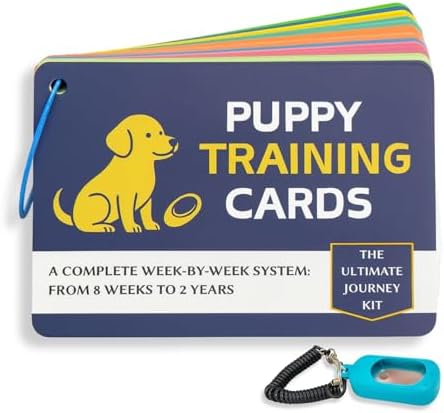
Puppy Training Cards - Complete Raising Dog Kit with Clicker - Replaces Dog Training Book & Journal - 50 Stage by Stage Guide Cards (8 Weeks to 2 Years)
Fifty cards in a real sequence from 8 weeks to 2 years, with a clicker in the box, so a first-time owner always knows what to work on tonight
Cards are physical objects and get shuffled or left in the car, and a deck cannot diagnose a problem behavior
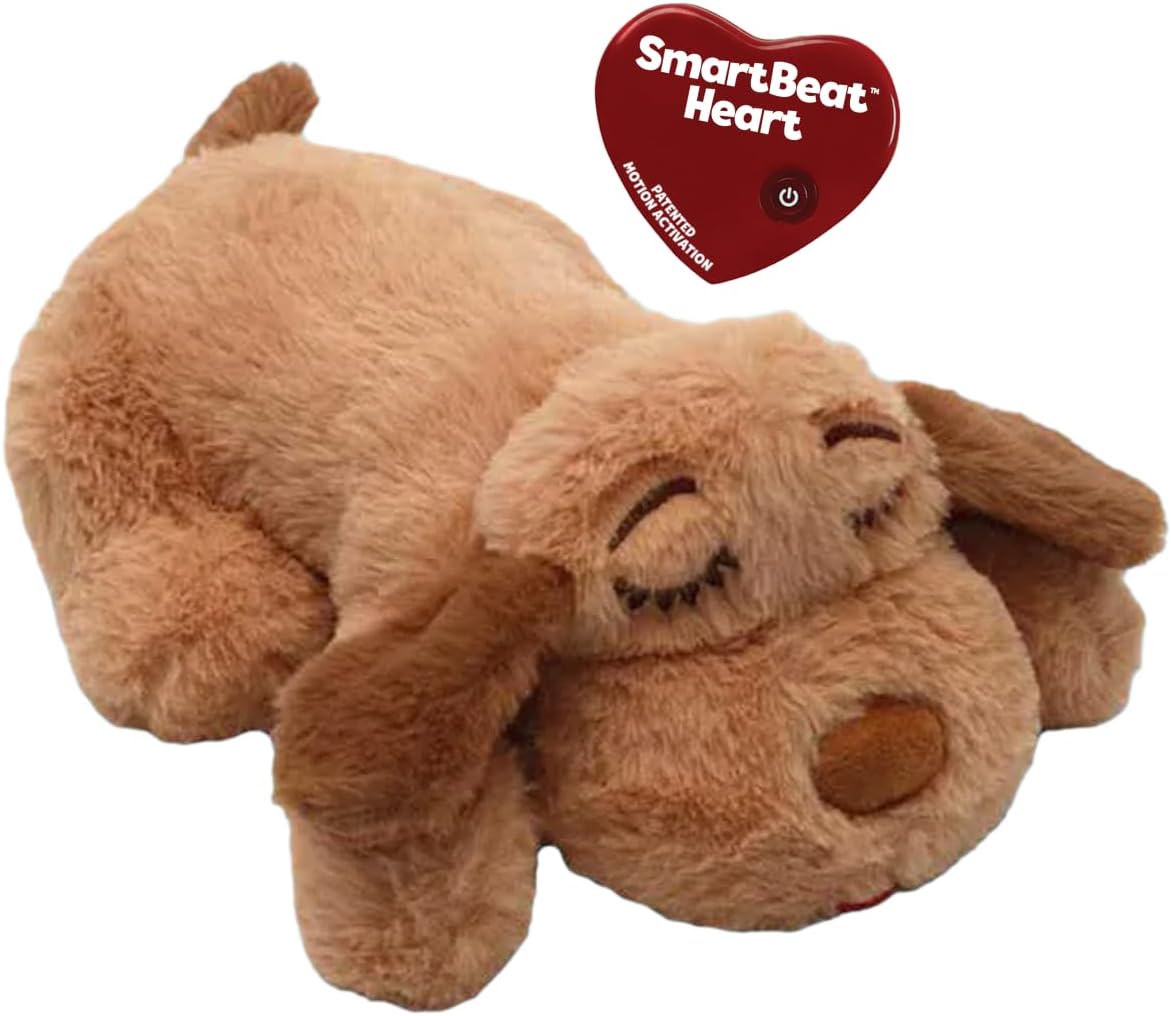
Snuggle Puppy Junior Heartbeat Toy, Calming Comfort, Small Breeds - Biscuit
The heartbeat gives a puppy something to curl against during the first nights in a crate, which is when most owners quit crate training
Puppies outgrow it by four or five months, and it is a comfort object, not a training tool

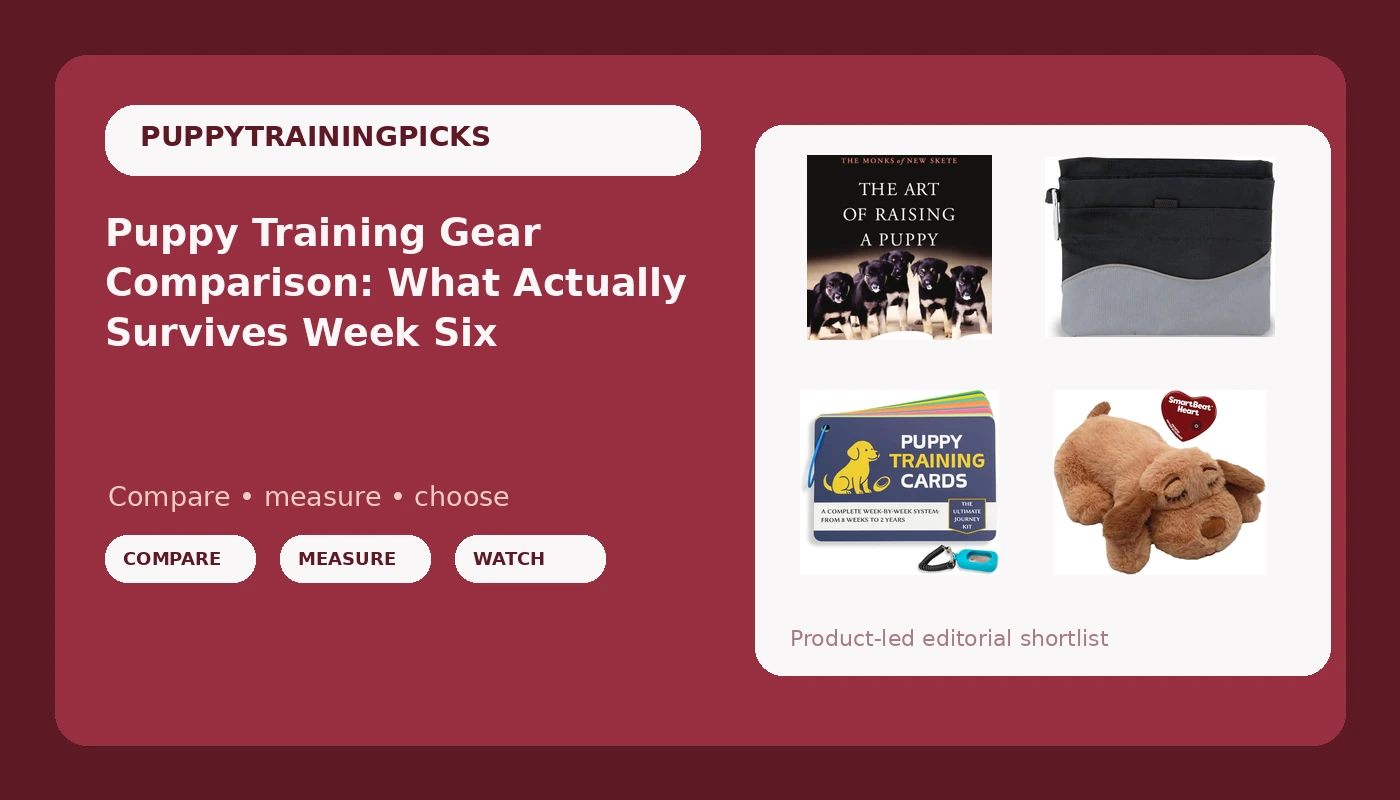
The Art of Raising a Puppy
The clearest explanation of what is happening in a puppy's head across the first year, which is the part owners cannot see
It is a book, so it does nothing unless you read it and act on it, and it cannot see your timing or your criteria
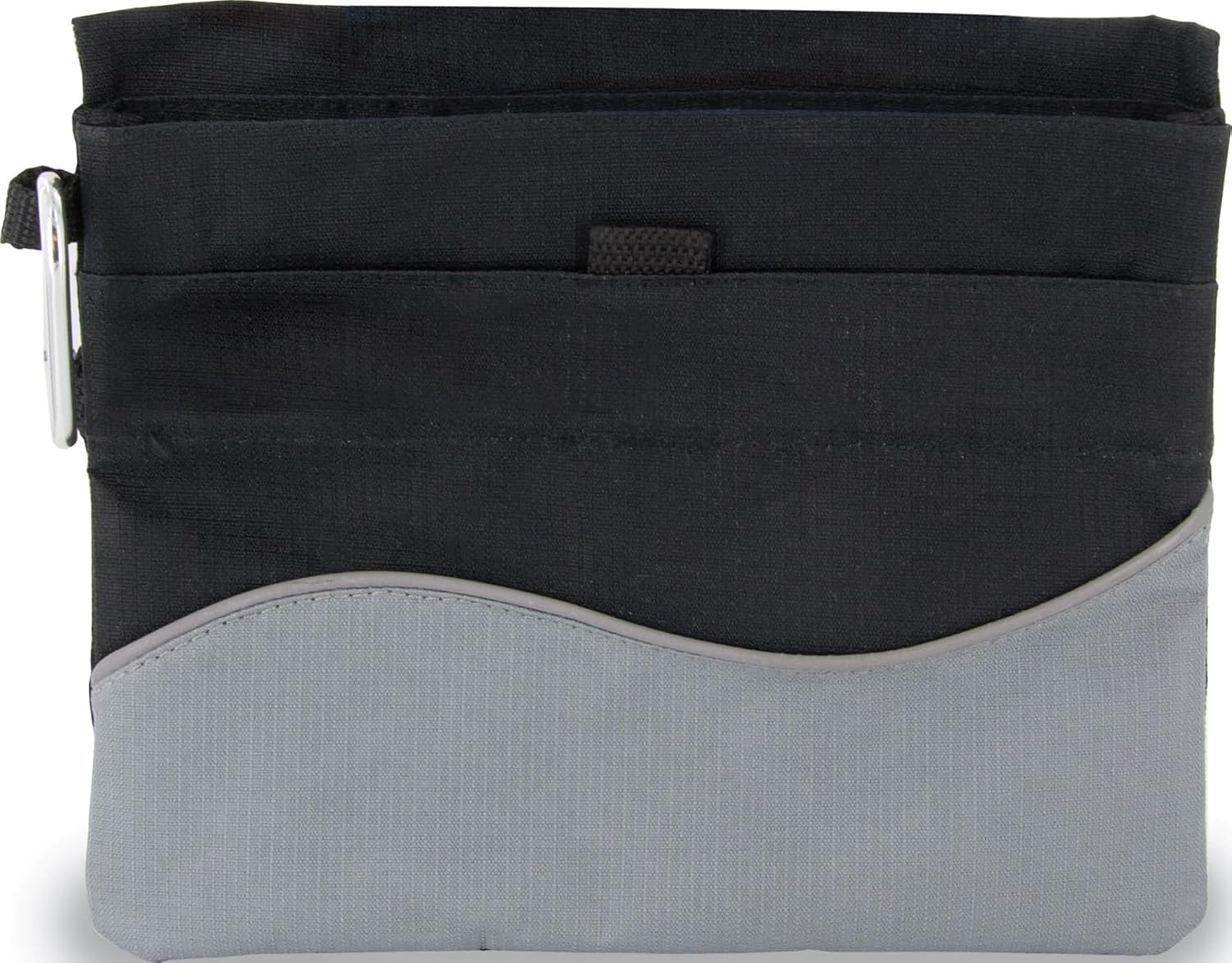
PetSafe Dog Treat Pouch Sport, Black, Standard, 7.5 in L x 6.5 in H
One-handed access to treats, which is the difference between marking a behavior and fumbling through a jacket zipper
It is a bag: it does not fade treats for you, and it needs emptying and washing after a hot afternoon in the car
Prices and availability were captured from Amazon Creators API and may change.
How I judge puppy training gear
My test is not a first impression. Everything in this article goes through an eight-week class cycle with real puppies, real distracted sidewalks, and real owners who do not practice between sessions. That last part matters more than any spec. A tool that only works when the owner is diligent is a tool that gets abandoned by week three, and I would rather recommend something boring that survives than something clever that does not.
Four questions decide it:
- Does it rely on pain or fear? If yes, it is out, no matter how well it works.
- Can a first-time owner use it correctly without me standing next to them?
- Does it still help at week six, when the puppy has opinions and a teenager's attention span?
- Would I hand it to a client without a disclaimer?
These four passed. Most of what else is sold as puppy training gear is either a duplicate of one of them or a gadget that solves a problem you do not have yet.
The stage-by-stage cards: the spine of the program
The card kit is the closest thing I have found to a curriculum in a box: fifty cards, sequenced from eight weeks to two years, with a clicker included. That structure is the whole point. Most new owners fail not because they lack information but because they lack an order of operations. They try to teach a stay in week one and then wonder why the puppy will not hold a down-stay at four months.
A deck fixes that by making the next step small enough to fit in a five-minute session. That is shaping, whether or not you use the word. You reward small steps toward a final behavior, and the deck keeps you from skipping steps because you are excited.
The clicker in the box matters more than it sounds. A clicker is the cheapest precision tool in dog training and also the one people buy and abandon by day three. Getting one with cards that tell you when to use it is the difference between owning a clicker and actually charging it with meaning.
Where it loses: cards are physical objects, and physical objects get shuffled, chewed, and left in the car. If you want one reference you will never misplace, a book wins on durability. The kit also cannot diagnose a problem behavior. If your puppy is guarding a bone or lunging at the fence line, you need eyes on your dog, not a card.
The treat pouch: the least exciting purchase that changes the most
I have watched hundreds of owners try to train with treats loose in a jacket pocket. It looks fine until the puppy does the thing you want, and you spend four seconds digging through a zipper while the window to mark the behavior closes. Timing is the skill. A pouch is how you buy yourself timing.
This one clips to a belt or waistband, holds a session's worth of small treats, and opens with one hand. That is the entire value proposition, and it is worth more than most of the electronics sold as training aids. If you take one thing from this comparison, take this: the tool that shortens the gap between behavior and reward is the tool that makes you a better trainer.
Where it loses: it is a bag. It does not fade treats for you, and it does not fix a puppy who only works for food. It also needs emptying and washing, and a pouch that sat in a hot car with cheese in it is a smell you will not forget. Buy it, use it, clean it.
The heartbeat toy: for the first two weeks, not the whole program
The Snuggle Puppy Junior is a comfort object with a heartbeat, sized for small breeds. I recommend something like it for one specific job: the first nights after a puppy leaves the litter. Crate training is not cruel, it is a den, but a den is still a strange place on night one, and a puppy who screams for three hours is a puppy whose owner is going to quit crate training by Thursday.
A heartbeat toy gives the puppy something to curl against that approximates the litter. In my classes, the owners who use one tend to report fewer night wake-ups in the first week. That is not a training result, it is a comfort result, and the distinction matters. This product does not teach anything. It buys you sleep while the real training starts.
Where it loses: puppies outgrow it. By four or five months most of them treat it like any other stuffed toy, which is fine but no longer the point. If your budget only stretches to one purchase, buy the cards or the pouch. If you have a puppy coming home next week and you are dreading the nights, this is the one item I would add.
The book: the 90 percent nobody wants to hear
The Art of Raising a Puppy is the book I hand to owners who ask what to read, and it earns that spot for one reason: it explains what is happening in a puppy's head across the first year. Developmental stages are the part owners cannot see. A nine-week-old and a seven-month-old are not the same animal, and a lot of advice online is written as if they were.
Read it for the timeline. Read it so that when your puppy turns five months old and forgets every cue you taught, you recognize the adolescent stage instead of concluding your dog is broken.
Where it loses: a book cannot see your puppy. It cannot tell you that your timing was late, your treats are too big, or your criteria changed between repetitions. It is a reference, not a plan, which is why it pairs with the cards rather than replacing them. And if you are the kind of owner who buys books and does not read them, this purchase is a decoration.
What the trade-offs actually look like
Four products, four jobs, and one overlap worth naming: the cards and the book are both information products. If you buy both, you get a sequence and a reference, which is a reasonable pairing. If you only buy one and you are a first-time owner, buy the sequence. Structure beats knowledge in the first month, because the hard part is not knowing what to do, it is knowing what to do tonight.
The pouch and the toy do not overlap at all. One is a delivery system for reinforcement, the other is a sleep aid. Both cost less than a single private training session, which is the comparison I actually want you to make. Owners will spend forty dollars on a gadget without blinking and hesitate over a pouch, and the pouch will do more for their training than the gadget ever will.
And the honest trade-off across all four: none of them replace practice. I have had clients with the full setup who still could not get a reliable recall at six months, because they trained twice a week. I have had clients with nothing but a bag of pea-sized treats and a clicker whose puppies were walking loose-leash past squirrels at four months. The gear is 10 percent. This comparison is about making that 10 percent count, not about skipping the other 90.
One more thing about treats, since the pouch is in this list. Payment is not bribery, and the problem is almost never that you used food. The problem is that nobody plans the fade. Every card in that deck, every rep with the pouch, should have a version where the reward gets thinner and the praise gets louder. If your puppy only listens when they can see the bag, that is a fading problem, not a gear problem.
How to sequence the purchases
Bringing a puppy home this month: cards first, pouch second, toy if the nights are rough, book when you want to understand the timeline.
Already have a puppy and training has stalled: buy the pouch, then look at your criteria. Most stalls are timing problems, not tool problems.
Buying a gift for someone with a new puppy: the cards, because they come with instructions, and the clicker in the box means one less thing the owner has to figure out on their own.
What I'm testing next
I am in the middle of an eight-week cycle with thirty-plus puppies and a distraction test at a busy Denver park. Most of the treats in that test will fail by session two, and I will write about which ones survive when the cycle ends. I am also watching how the card kit holds up with owners who are not in my class and do not have me nagging them, because that is the real test of any training product: does it work when nobody is watching.
Training is a timeline, not a promise. Nothing in this comparison will have your puppy sitting on command in seven days. All four will make the timeline shorter if you use them the way they are meant to be used, and none of them will do a thing for a puppy whose owner never picks them up.