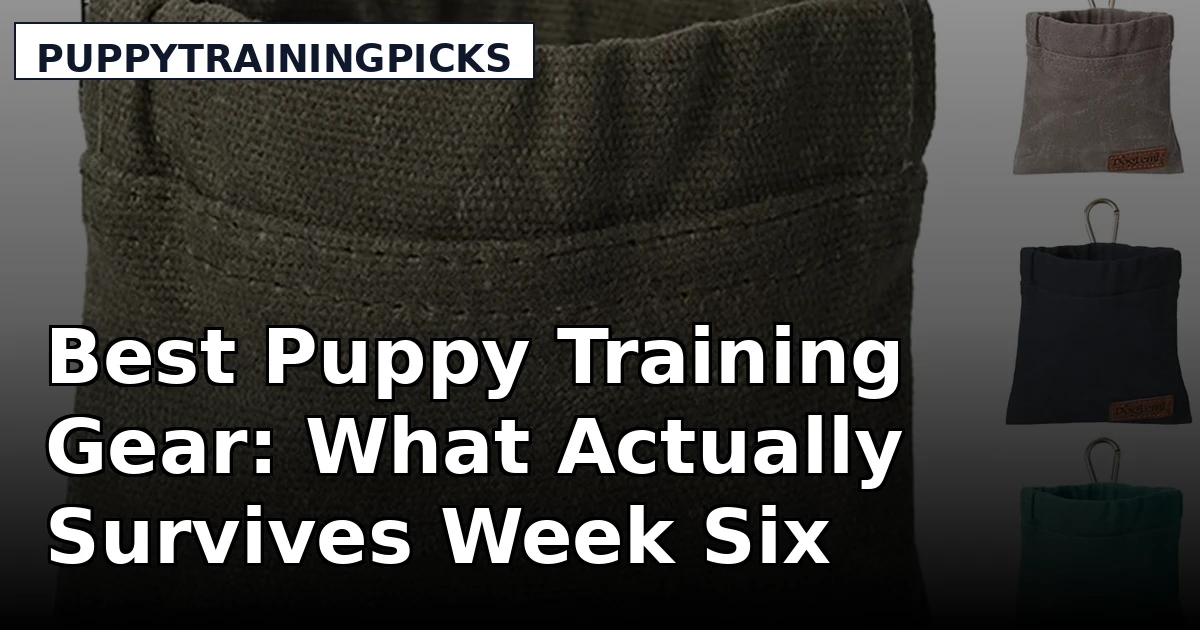
Most puppy training gear is sold as if the equipment does the teaching. It does not. A treat pouch does not mark a behavior, a crate does not install a den instinct by itself, and a bag of treats does not fade itself out once the puppy understands the cue. What good puppy training gear actually does is remove friction. It puts a reward within reach in under a second, it gives a puppy a safe place to settle, and it keeps the human half of the team comfortable enough to run two short sessions a day instead of one long one every Sunday.
This guide compares six items that cover the whole loop of a reward-based program: the pouch that holds the reward, the treats that go in it, the crate that manages the environment, a month-by-month reference for what is normal at each stage, and a pair of shoes for the person doing all the walking. The focus is on what each product is built to do, where the trade-offs sit, and which one makes sense for your situation.
Related: How to Fade Treats Without Losing Your Puppy's Attention
Quick answer
The ETIAL Dog Treat Pouch is the strongest fit for everyday reward-based training because it keeps treats accessible in a hands-free bag with an auto-closing opening, which shortens the gap between the behavior and the reward. Choose the Blue Buffalo Bits Soft Dog Treats instead when the reward itself is what you need to restock, and step up to one of the collapsible crates when crate training and confinement are the priority rather than treat delivery.
Puppy training gear worth comparing
Training gear sorts into a few jobs. Reward delivery covers the pouch and the treats. Environment management covers the crate. Timing and structure cover the guide. And the long walks, the standing, and the park sessions cover the shoes on your own feet. Comparing across those jobs matters more than comparing two pouches against each other, because a slightly better pouch will not fix a puppy who has never been paid on time.
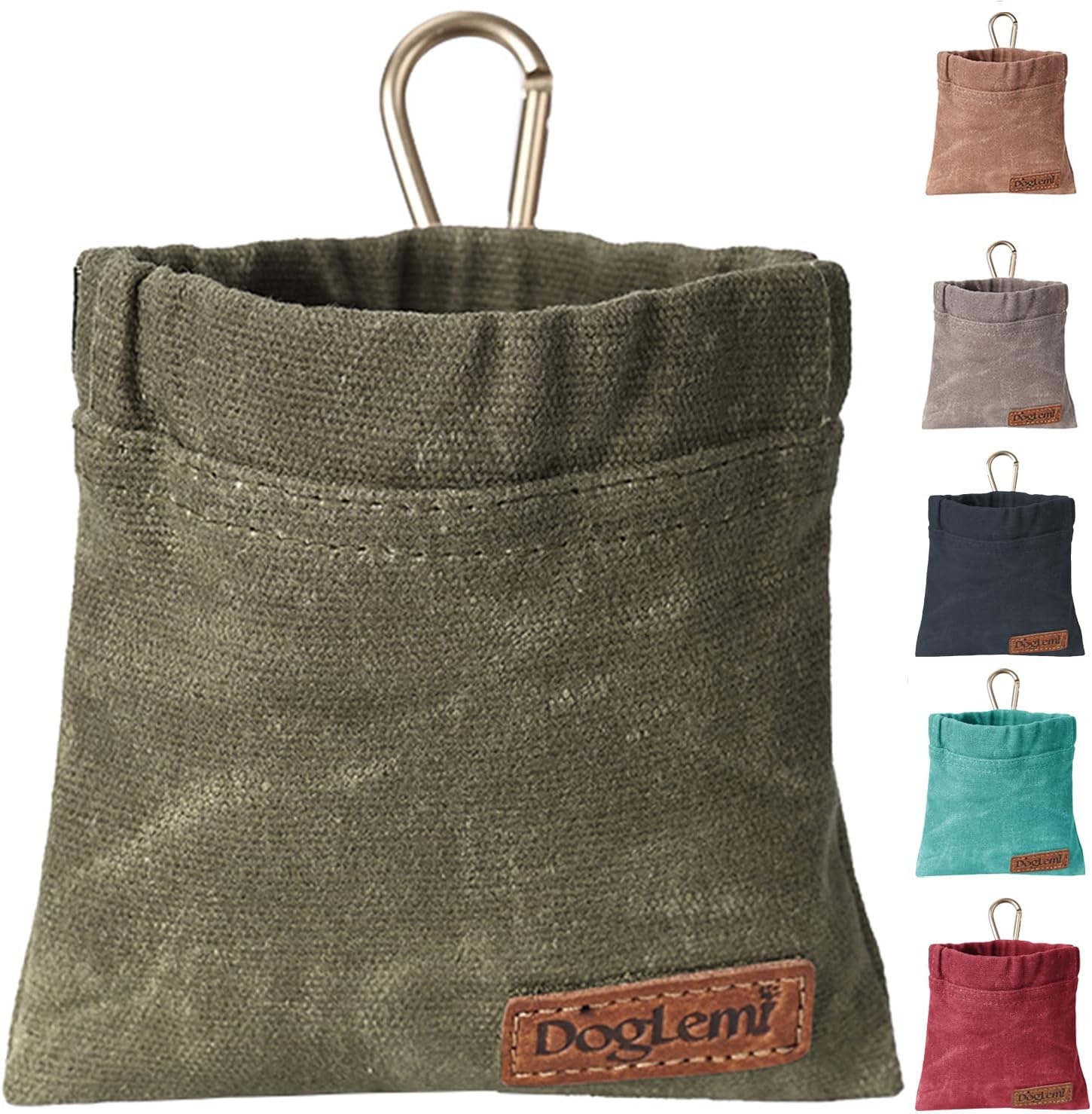
ETIAL Dog Treat Pouch,Portable Puppy Dog Training Treat Bag,Hand Free Dog Walking Bag,Auto Closing Pet Feed Snack Reward Pocket,Dog Food Dispenser for Pet Puppy Travel or Outdoor Use
A portable treat pouch designed for hands-free walking and training, with an auto-closing treat opening and a snack pocket that doubles as a food dispenser for travel or outdoor sessions.
Visit on Amazon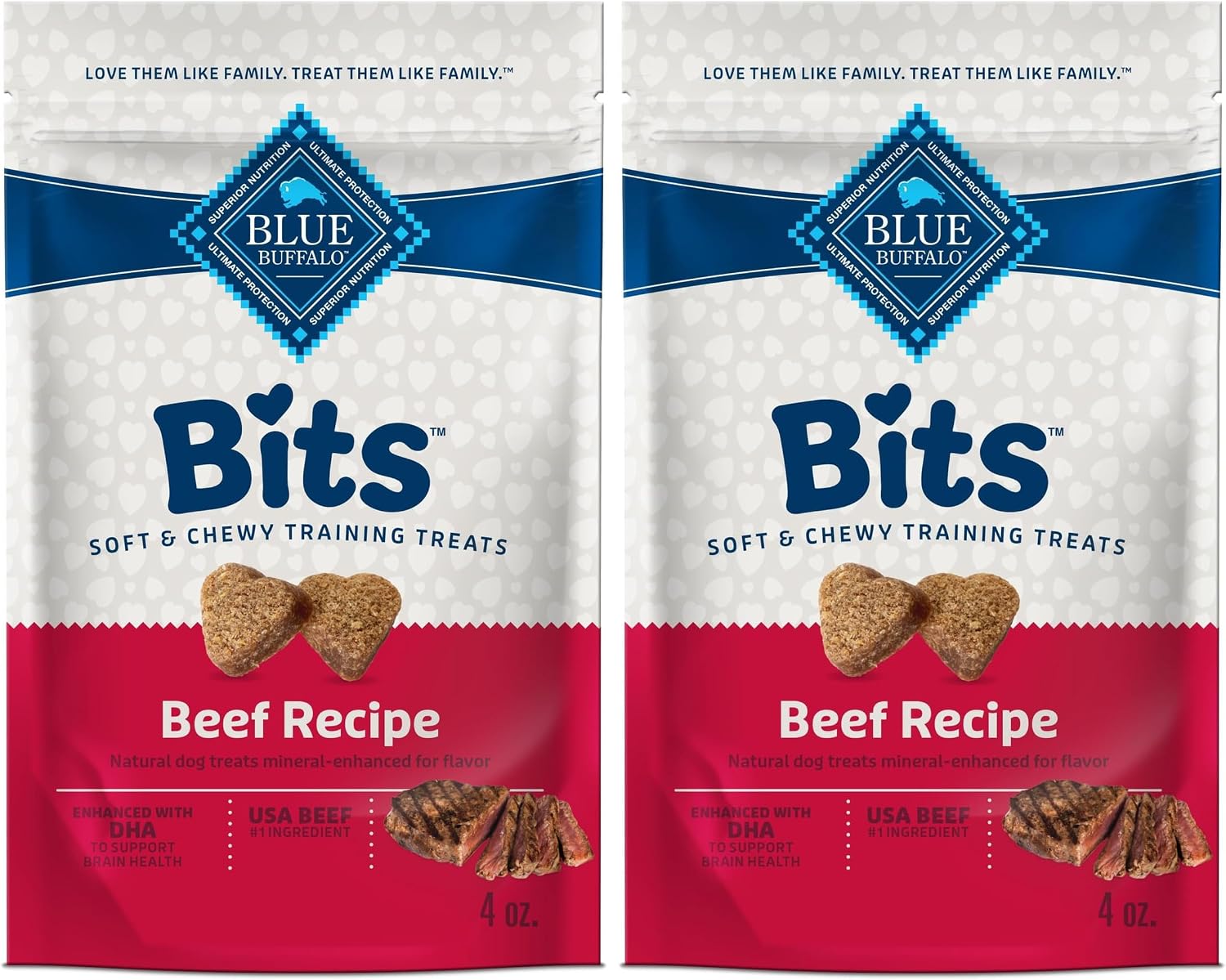
Blue Buffalo Bits Soft Dog Treats for Training,Made with Natural Ingredients & Enhanced with DHA,Beef Recipe,4-oz Bag,(Pack of 2)
Soft beef recipe training treats made with natural ingredients and enhanced with DHA, sold as a two-pack of 4-ounce bags so the reward supply lasts through a training block.
Visit on Amazon
The Complete Puppy Training Toolkit: Month-by-Month Guide to puppy development and behavior; Practical steps to train, housebreak, & socialize to raise an obedient, happy dog
A month-by-month guide to puppy development and behavior, organized around practical steps for training, housebreaking, and socialization.
Visit on Amazon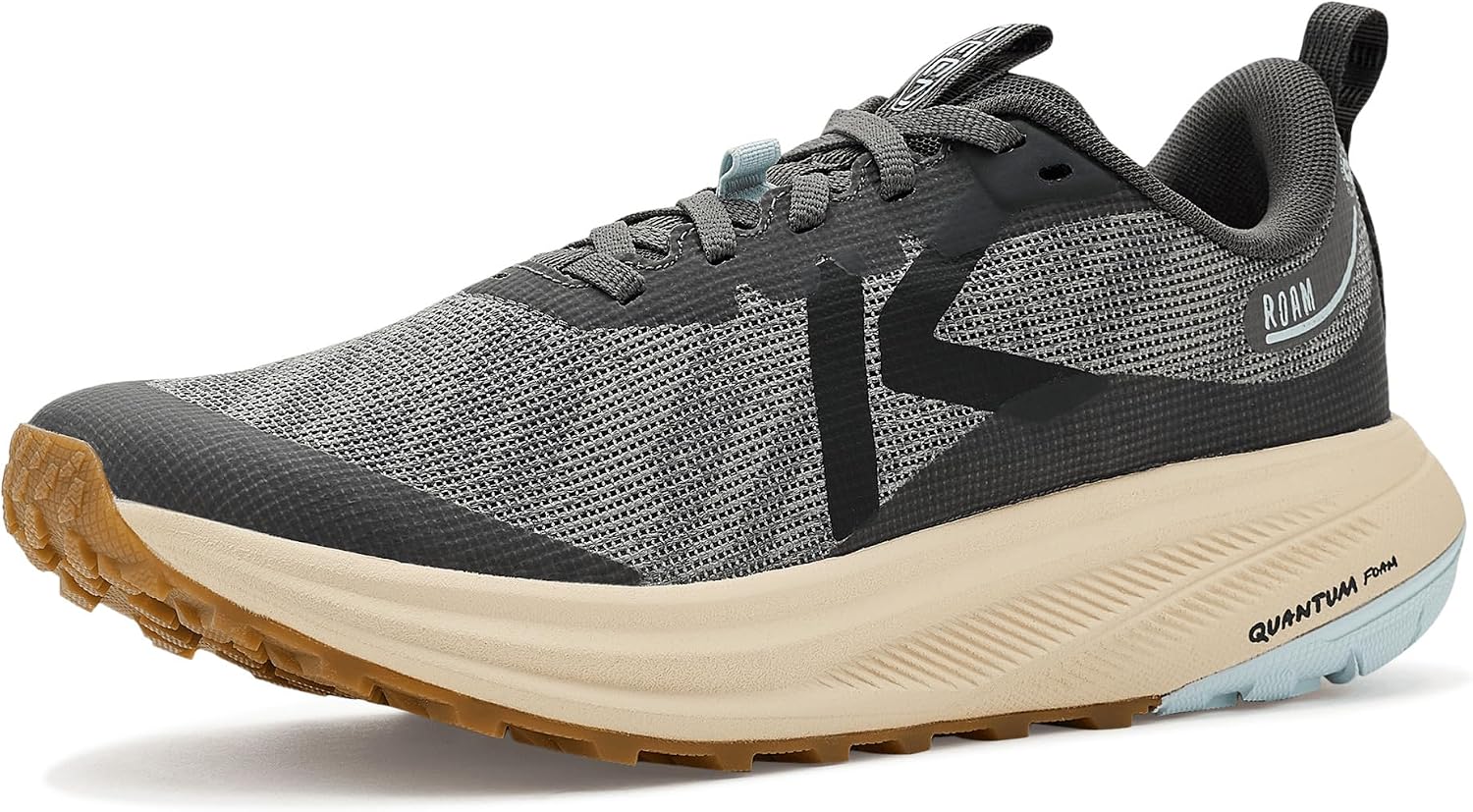
KEEN Women's Roam Trail Running Shoes
A women's trail running shoe from KEEN, built for miles on uneven ground, which is what a puppy's daily sniff-and-walk route tends to be.
Visit on Amazon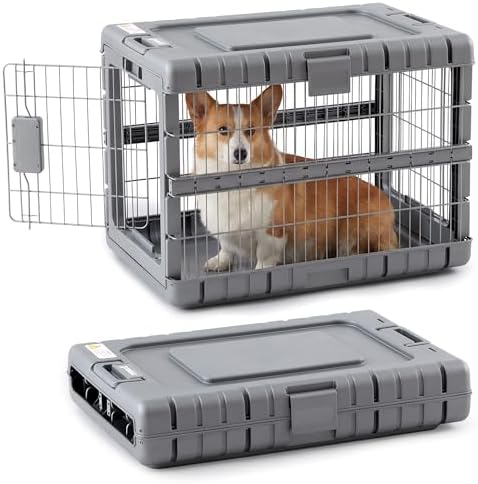
ZOMISIA 28" L Collapsible Dog Crate for Dogs, Heavy Duty Dog Kennel Indoor
A heavy duty 28-inch collapsible dog crate intended for indoor kennel use, folding down for storage when it is not set up.
Visit on Amazon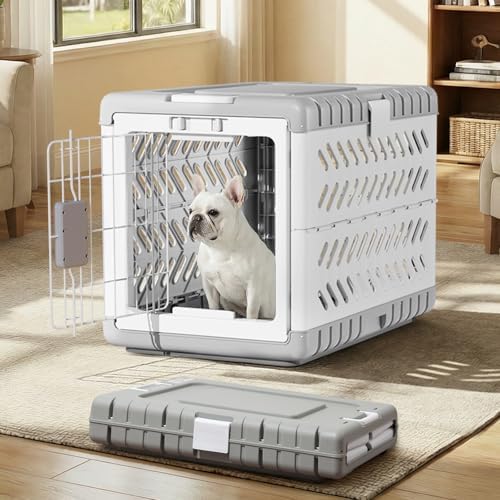
Collapsible Dog Crate for Medium/Small Dogs - 28" L Foldable Dog Cage No-Tool Assembly, Travel Dog Crate with 2 Wheels - Easy to Carry, Space-Saving, Indoor Outdoor Use, 27.96"(L) X18.3(W) X20.87(H)
A foldable crate for medium and small dogs with no-tool assembly and two wheels for moving it, with listed exterior dimensions of 27.96 by 18.3 by 20.87 inches.
Visit on AmazonPrices and availability may change. Check the retailer for current details.
How these products were compared
This guide compares reward access and speed of delivery, treat size and softness for repeated rewards, crate size and how the crate assembles and stores, the structure of the guidance material, and how well each item holds up to daily handling. The comparison is based on the product information each manufacturer publishes and on the job each item is meant to do inside a reward-based training program, not on a single session with one puppy.
Product names, images, and retailer links are matched to the same product record so that every card points to the item shown. Where a product's published details do not support a meaningful distinction between two options, this guide says so rather than inventing one.
How to choose the right piece of puppy training gear
Start with the crate, because it is the one item where the wrong size causes real problems. Measure your puppy's expected adult length from chest to tail base, add a few inches of room to stand, turn around, and lie flat, and compare that against the listed crate dimensions. Both crates here are listed at 28 inches long, which suits medium and small dogs and smaller adolescents, not a large breed headed for 70 pounds. If your puppy is still growing into the crate, a crate that is too large invites a potty corner, so plan to block off the extra space rather than buying big and hoping.
Next, look at how the crate gets set up and moved. The foldable crate lists no-tool assembly and two wheels, which matters if the crate moves between rooms or rides in a car. The heavy duty crate is described for indoor kennel use and collapses for storage, which suits a permanent setup in one spot. Neither is a substitute for supervision: a crate is a management tool for short periods, not a place to leave a puppy for a workday.
For the reward side, think about the mechanics of delivery. A pouch with an auto-closing opening lets you grab a treat with one hand while the other hand stays on the leash, and that half-second difference is the whole point. Soft treats are easier to break into pea-sized pieces than hard biscuits, which matters because a training session can burn through a dozen rewards and you do not want those rewards to be a meal's worth of calories. Blue Buffalo Bits are soft, but a full piece is more than one reward for a young puppy, so plan to break each one down.
Finally, budget for the human. Training happens on sidewalks, in parks, and on wet grass, and a puppy's daily walk is a lot of standing and pivoting. If your current shoes are worn out, that is training gear too. For more on the timing side of the equation, see our guide to building a marker word your puppy actually notices.
ETIAL Dog Treat Pouch
The ETIAL Dog Treat Pouch is the item that solves the most common mechanical failure in puppy training: the treat arrives late. The pouch is designed to be worn hands-free for walking and training, and its auto-closing opening means the reward pocket shuts itself between grabs instead of spilling kibble across the sidewalk. The snack pocket doubles as a food dispenser, which is handy for travel and outdoor sessions where you would rather not carry a separate bag.
The trade-off is that this is a fabric pouch, not a portion-control device. It will not tell you how many treats you have handed out, it will not keep soft treats fresh for weeks, and the auto-closing opening is only useful if you actually empty and rinse the pouch between uses. It is also a training accessory, not a behavior plan. Put it on, load it, and it removes a step. It will not do the marking for you.
Alternatives to consider
The Blue Buffalo Bits Soft Dog Treats are better suited to restocking the reward supply, with soft beef recipe pieces made with natural ingredients and enhanced with DHA and sold as a two-pack. The Complete Puppy Training Toolkit is a stronger fit when you want structure, since it is organized month by month around puppy development and covers training, housebreaking, and socialization in one reference.
The ZOMISIA 28" L Collapsible Dog Crate and the 28" foldable crate with two wheels cover environment management rather than reward delivery. The first is described as a heavy duty indoor kennel that folds down, which suits a permanent crate station in one room. The second lists no-tool assembly and two wheels, which suits a household that moves the crate between rooms or loads it for travel. The KEEN Women's Roam Trail Running Shoes cover the walking half of the job, which is unglamorous but unavoidable once your puppy's world expands past the driveway.
Day-to-day use and maintenance
A treat pouch earns its keep only if it gets cleaned. Empty it after every session, shake out the crumbs, and wipe or rinse the interior so soft treats do not turn into a paste in the seams. If you rotate between kibble and soft treats, use separate sessions or accept that the pouch will need a wash more often. Keep the main treat bag sealed and stored away from the pouch so the reward supply stays fresh.
Crates need a routine as well. Wipe down the tray, check that the door latch and any folding joints still move freely, and confirm the crate does not wobble on the floor. If your puppy is a chewer, inspect the interior for anything loose before each confinement period, and keep bedding simple until you know your puppy will not shred it. The guide earns its place on the counter rather than the shelf, because its value is in being opened during the week you are actually struggling, not after the fact.
One safety note that applies across all of this: gear does not replace supervision, and no crate, pouch, or treat should be used to skip a potty break or a training session. Short, frequent, well-timed repetitions do the work.
Buying checklist
- Measure your puppy's expected adult length and the footprint where the crate will sit before choosing a size.
- Choose the crate based on normal use, a permanent indoor station or a crate that travels, rather than an occasional edge case.
- Confirm that the exact crate model includes the assembly and mobility features you want, such as no-tool setup or wheels.
- Check treat size against your puppy's weight so a session does not turn into a meal.
- Read the cleaning and maintenance instructions for the pouch, crate, and any bedding.
- Verify the current retailer price, availability, and return terms before ordering.
Final recommendation
Choose the ETIAL Dog Treat Pouch when your training is already happening and the bottleneck is reward timing, since the auto-closing, hands-free design puts a treat in your hand fast. Choose the Blue Buffalo Bits Soft Dog Treats when you need a soft, breakable reward to load into it, or the Complete Puppy Training Toolkit when you want a month-by-month structure to follow. Choose one of the collapsible crates when the immediate problem is management and confinement, and add the KEEN shoes if the walking itself has become the weak link. Gear sets the conditions for good training. The timing, the consistency, and the practice are still yours to supply.