Bring home a puppy and the gear arrives faster than the training does. Within a week most owners have a leash, a clicker nobody has read the instructions for, a bag of treats the size of golf balls, and at least one gadget that will be in a donation bin by month three. The tools are rarely the problem. The problem is that puppy training gear gets bought in the wrong order, before anyone has decided what the puppy actually needs to learn this month.
This guide covers six pieces of puppy training gear, from a no-pull harness to a cotton treat pouch to two short, inexpensive books that together cost less than a bag of premium treats. It is not a list of everything a puppy will ever need. It is a list of items with a clear job, plus honest notes on where each one fits, where it does not, and which purchase earns its place first.
Related: Crate Training a Puppy Without the Midnight Whining
Quick answer
The PetSafe Deluxe Easy Walk No Pull Dog Harness is the strongest fit for leash training a puppy whose neck is still developing, because the front-clip design redirects forward motion instead of pulling against the throat. Choose the Amazon Basics Leak-Proof Dog and Puppy Potty Training Pee Pads instead when you need a management solution for the first weeks indoors, before your puppy is cleared for outdoor potty trips.
Puppy training gear worth comparing
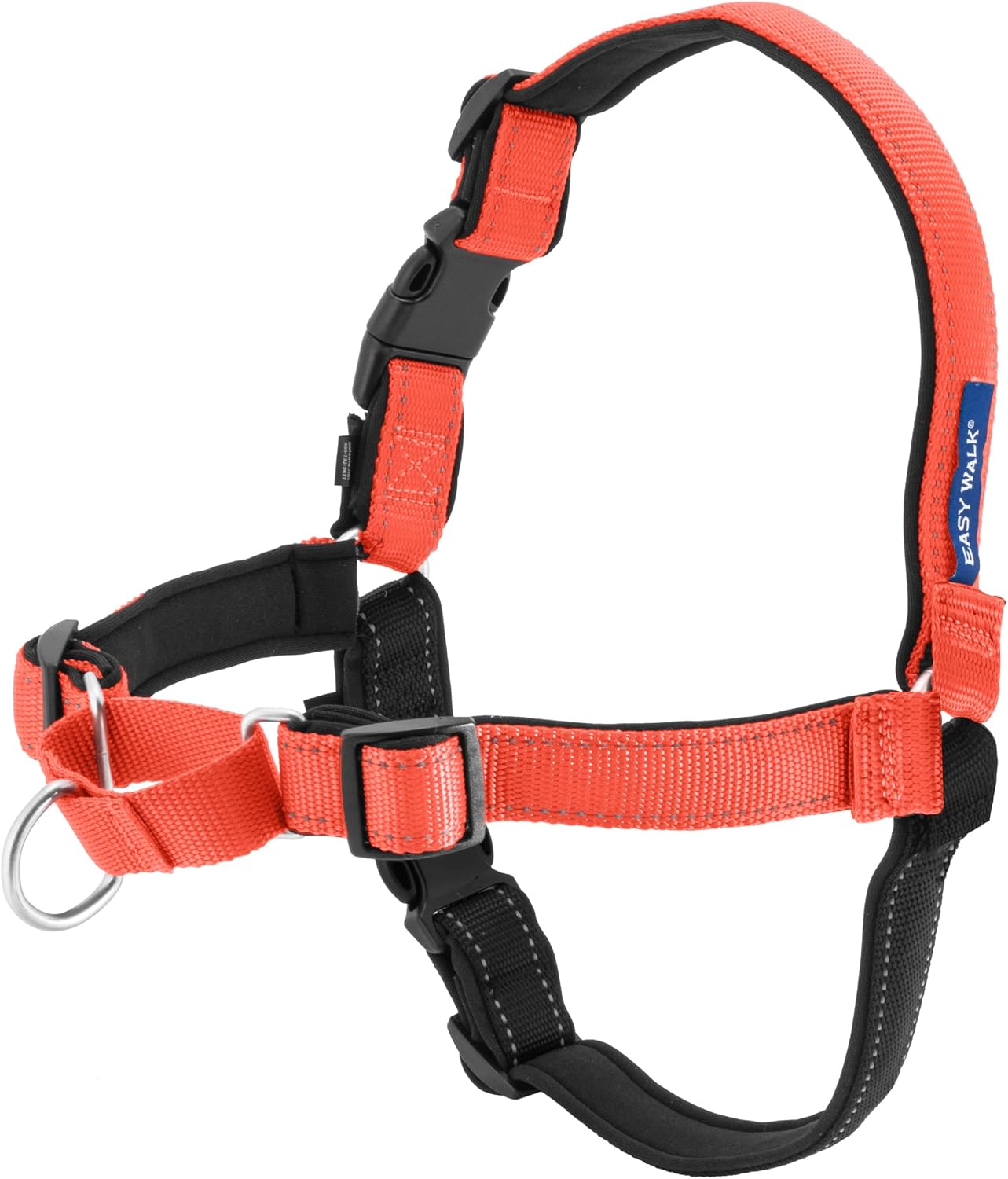
PetSafe Deluxe Easy Walk No Pull Dog Harness, Rose Pink, Small
A front-clip no-pull harness in rose pink, size small, built to steer a puppy from the chest instead of putting pressure on a developing neck.
Visit on Amazon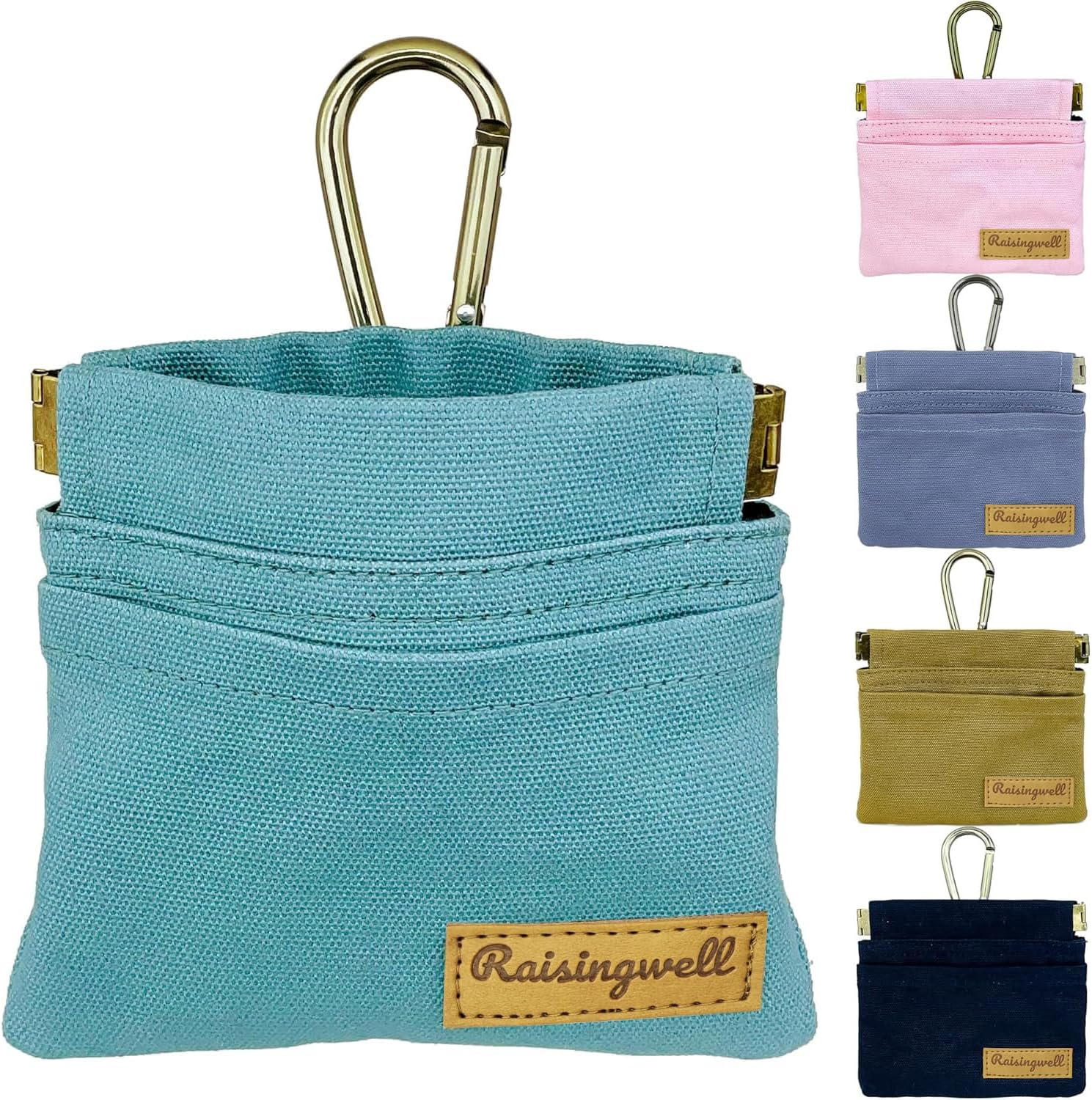
Raisingwell Dog Treat Pouch, Green Pocket Sized Pet Training Pouch, Cotton Fabric, Hand Free Dog Walking Bag with Carabiner, Self-Closing Pet Feed Snack Reward, for Puppy Travel or Outdoor Use
A pocket-sized cotton treat pouch in green with a carabiner clip and a self-closing opening, made for hand-free walking and fast reward delivery.
Visit on Amazon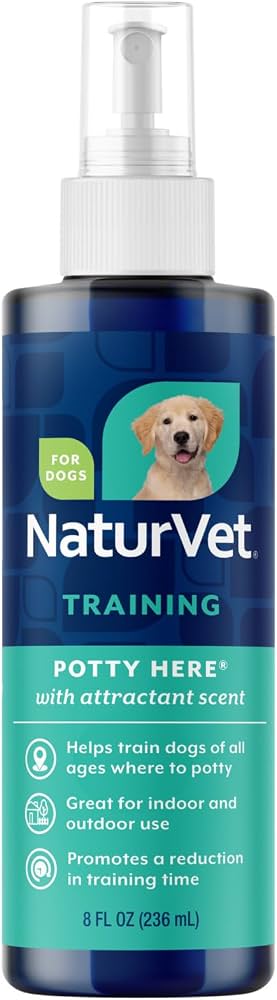
NaturVet Potty Here Training Aid Spray for Puppies and Dogs - 8 oz
An 8 oz training aid spray intended to mark the spot you want a puppy to use for potty breaks.
Visit on Amazon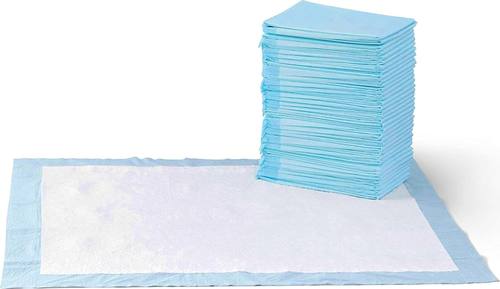
Amazon Basics Leak-Proof Dog and Puppy Potty Training Pee Pads with Quick-Dry 5-Layer Design, X-Large Size 28 x 34 Inch, Blue and White, 40-Pack
X-large pee pads with a leak-proof, quick-dry five-layer design, sold in a 40-pack for the early weeks indoors and for travel.
Visit on Amazon
12 Terrible Dog Training Mistakes Owners Make That Ruin Their Dog's Behavior...And How To Avoid Them
A short guide covering twelve common owner mistakes and what to do instead, aimed at the habits that quietly undermine a training plan.
Visit on Amazon
Crate Training Puppies: Learn How to Crate Train Your Dog the Fast and Easy Way
A compact step-by-step guide to crate training, useful as a plan to follow during the weeks when a puppy is still building the habit.
Visit on AmazonPrices and availability may change. Check the retailer for current details.
How these products were compared
This guide compares materials and hardware, fit and adjustability for a puppy that is still growing, how much each item depends on correct owner technique, how easy each one is to clean and store, and whether the product is a training aid or a management shortcut. Product names, images, and retailer links are matched by the product identifier so that every card points to the item shown.
One more rule shapes this list: nothing here claims a result on a timeline. Training is a sequence of small repetitions, not a promise you can print on a package. Any product that markets itself as a fix in a week is marketing to your frustration, not to your puppy.
How to choose the right tool
Start with the behavior, not the product. Puppy training gear falls into four rough jobs: rewarding the behavior you want, preventing the behavior you do not want, managing the environment while a habit is forming, and teaching you what to do. A treat pouch serves the first job. A front-clip harness serves the second. Pee pads and a potty spray serve the third. A short book serves the fourth, and it is the job most owners skip because it does not feel like shopping.
The second decision is whether the tool does the work or you do. A treat pouch and a harness both change your mechanics: the pouch gets a reward to your puppy's mouth in under a second, and the front-clip harness gives you leverage against forward pull without cranking on a throat. Neither one trains anything on its own. A potty spray and a pack of pads are different, because they act on the environment regardless of your timing. That makes them forgiving in the short term and risky in the long term if you never transition away from them.
A third filter worth applying is growth. A puppy at eight weeks is not the dog you will be walking at six months, and gear that fits today may not fit at week twenty. Harness sizing in particular deserves a tape measure rather than a guess. If you want to see how quickly the equipment side of this changes, the crate training timeline is a good reminder that each stage of a puppy's development asks for something slightly different from you and from the tools.
Finally, be honest about which problems are training problems and which are management problems. A puppy chewing drywall is a management problem, and the answer is a crate and a schedule, not a chew toy collection. A puppy pulling on the leash is a training problem, and the answer is repetition plus a harness that makes your mechanics better. Buying a product for the wrong category is how people end up with a drawer full of things that never worked.
PetSafe Deluxe Easy Walk No Pull Dog Harness
The PetSafe Deluxe Easy Walk is the item on this list I would hand a new owner first. It is a front-clip harness, which means the leash attaches at the chest rather than the back, so a puppy that surges forward gets gently turned back toward you instead of hauling you down the block by the shoulders. It comes in rose pink, size small, which suits the early months of a medium or large breed puppy whose neck is still developing and should not be taking correction pressure from a collar.
The trade-off is that this is not a no-training device. A front-clip harness changes your leverage, and it will still slide or shift if the straps are not fitted correctly, so expect a few adjustment walks before it sits well. Size small is also a stage, not a destination. A puppy that starts in small may need the next size up within a couple of months, which is normal and worth budgeting for rather than treating as a defect.
The other honest limitation is that a harness is a walking tool, not a loose-leash curriculum. It makes the wrong behavior harder to practice, and that is valuable, but a puppy still has to be taught, with rewards, what you want it to do at your left side. Pair it with a treat pouch and actual practice, or you have bought a nicer set of brakes without teaching anyone to drive.
Alternatives to consider
The Raisingwell Dog Treat Pouch is better suited to owners who are ready to practice, because the whole job of a treat pouch is speed. Green cotton, pocket sized, clipped with a carabiner, and self-closing, so a reward is in your hand without a pocket fumble. Fast delivery is what separates a puppy that learns what the word means from one that just learns you are slow.
The NaturVet Potty Here Training Aid Spray is a stronger fit when you have picked a specific potty spot and want to make that spot obvious, an 8 oz bottle for outdoor routines especially. Where it helps least is in a home with no consistent location. Spray does not create a schedule, and potty training is mostly a schedule.
The Amazon Basics Leak-Proof Dog and Puppy Potty Training Pee Pads, the 12 Terrible Dog Training Mistakes Owners Make That Ruin Their Dog's Behavior...And How To Avoid Them, and the Crate Training Puppies: Learn How to Crate Train Your Dog the Fast and Easy Way cover the rest of the early weeks. The pads are x-large at 28 by 34 inches with a leak-proof, quick-dry five-layer build in a 40-pack, which makes them a management tool for apartments, travel, and the period before a puppy is cleared for outdoor trips. The two books cover the part of the skill that does not fit in a box: one works through twelve owner mistakes and their fixes, and the other walks through crate training step by step.
Pee pads are the one item here that splits opinion, so here is the caveat plainly. If your goal is outdoor potty training, a pad teaches a puppy that a soft surface indoors is an acceptable bathroom. That is a real risk. Where pads earn their keep is the first weeks, in a high-rise with no yard, and in a car or hotel room, with a clear plan to move the routine outside as soon as your puppy is cleared for it.
Day-to-day use and maintenance
Most of the upkeep on this list is about keeping rewards fast and gear clean. A cotton treat pouch collects crumbs and treat dust, so shake it out after sessions and follow the manufacturer's care directions when it needs a wash. Crumb-filled pouches slow you down, and slow rewards are weak rewards.
Harness care is mostly a fit check. Put it on, slide two fingers under each strap, and look for rubbing at the armpits, which is the most common complaint about any harness on a puppy. Puppies change shape fast, so recheck the fit every couple of weeks, especially if your puppy is in a growth spurt between four and six months. A harness that fit in March can be binding by May.
Pads need a routine more than a cleaning regimen. Change them on a schedule rather than waiting for a visible problem, and treat a used pad as a management tool, not a lesson. If you are using a potty spray, apply it to the spot you actually want used, and apply it consistently, because a spray that moves around the yard teaches nothing.
One safety note that applies to everything here: none of this gear replaces supervision. A harness, a pouch, a pad, and a spray are all inanimate. The tool is a small percentage of the result.
Buying checklist
- Measure your puppy's girth around the chest, not its neck, before choosing a harness size.
- Decide whether you are solving a training problem or a management problem before you buy.
- Confirm the pad size you need: 28 by 34 inches covers more floor but needs more space to store.
- Check that a treat pouch opens and closes one-handed, since that is the entire point.
- Read the cleaning and care instructions for anything made of fabric.
- Verify the current retailer price, availability, and return terms before ordering.
Final recommendation
Choose the PetSafe Deluxe Easy Walk No Pull Dog Harness when leash manners are the priority and your puppy's neck should not be taking pressure from a collar. Choose the Amazon Basics Leak-Proof Dog and Puppy Potty Training Pee Pads when the immediate problem is managing the first weeks indoors and you need a floor strategy before outdoor potty trips are on the table.
If you only buy one thing, buy the harness and put the money you saved toward treats. If you are willing to spend a few dollars more, add the Crate Training Puppies guide, because crate training is the piece of puppy gear that is mostly a plan, and a plan is cheaper than replacing baseboards.