Related: How to Fade Training Treats Without Losing the Behavior
I run a puppy kindergarten out of a church basement in Denver, and I have watched a lot of puppy training gear fail in real time. Not fail in a review video. Fail in week six, when the puppy is five months old, the novelty has worn off, and the owner is standing on a sidewalk with a dog who has decided a squirrel matters more than anything in their hand. That is the test I care about.
The four items below keep earning their place in that test. Each one solves a different problem: paying for behavior, stopping leash pulling before it becomes a habit, giving a teething puppy something legal to chew, and teaching a puppy to tell you when they need the door opened. If you are assembling a first kit of puppy training gear, this is the order I would buy it in.
One thing before the picks, because it shapes everything else. The tool is maybe 10 percent of training. The other 90 percent is your timing, your consistency, and whether you practice between sessions. I have watched owners show up with a full bag of equipment and a puppy who still does not know "sit," and I have watched owners with a handful of treats and a flat collar get it right. Buy good gear, then go practice with it.
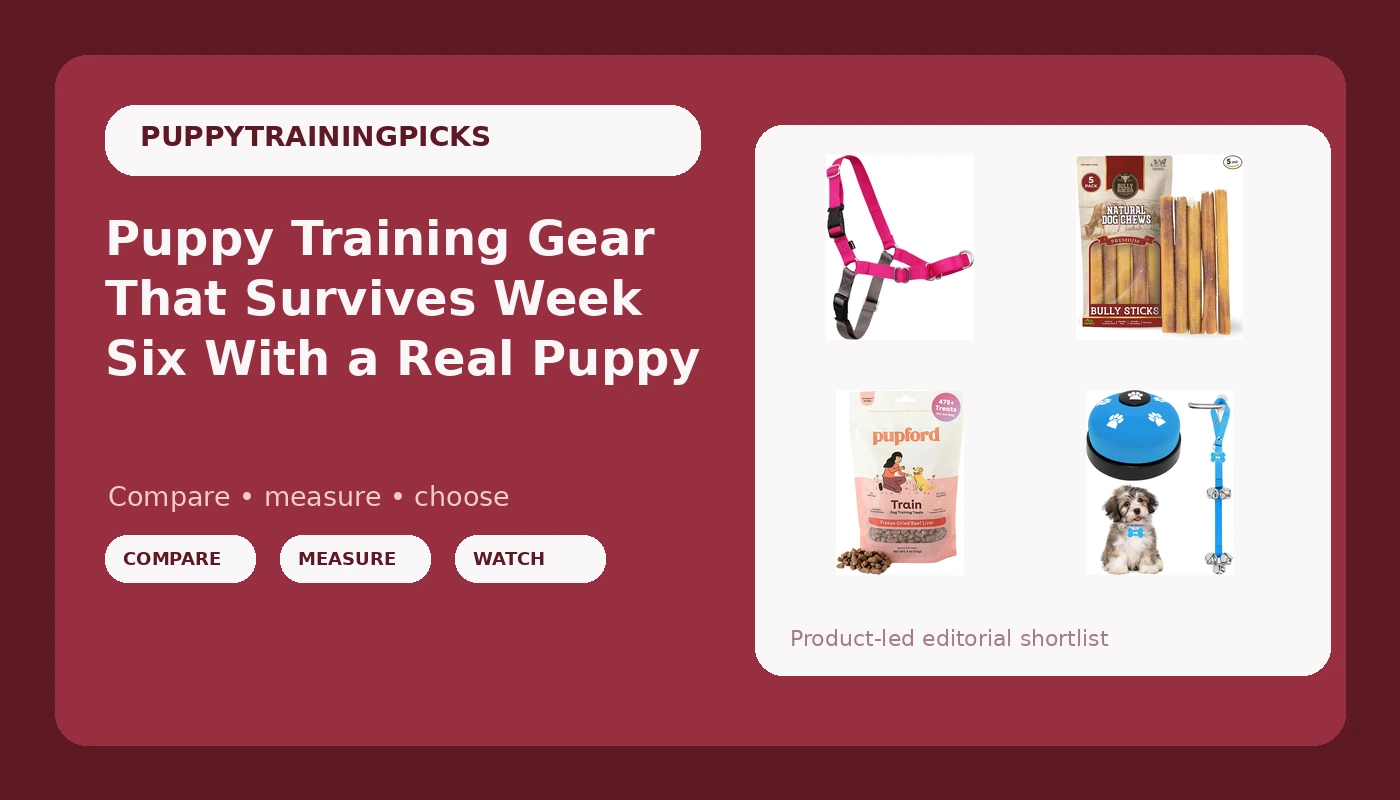
Best Training Reward: Pupford Freeze Dried Training Treats
A training reward has three jobs, and it fails if it misses any of them. It has to be small enough to deliver a dozen times in two minutes. It has to be high value enough that your puppy chooses it over the smell of a passing dog. And it has to be gone in one bite, because a puppy chewing for eight seconds is a puppy who has forgotten what you just rewarded.
Freeze dried beef liver is about as close to a single-purpose training treat as the market gets. It is one ingredient, it is light in the pouch instead of greasy in your jacket pocket, and it crumbles between your fingers so you can size the piece to the rep. That last part matters more than people think. A treat the size of a golf ball ends a session in five reps because the puppy is full and you have burned through a day of calories.
The 4 ounce bag is the format I would hand a first-time owner, because it is enough to get through the first couple weeks of real practice without being a commitment. Break each piece into pea-size portions for standard reps, and use a bigger piece only for the genuinely hard stuff, like a puppy holding a sit while a jogger goes by.
This is also where the fading conversation starts. Treats are payment, not bribery, and the goal is to move from a treat on every rep to a treat on some reps to praise and a real life reward. The treat you buy should be good enough that the puppy works for it early, and cheap enough in calories that you can hand out a lot of them in week one. This one does both.
Best No-Pull Harness: PetSafe Easy Walk Harness
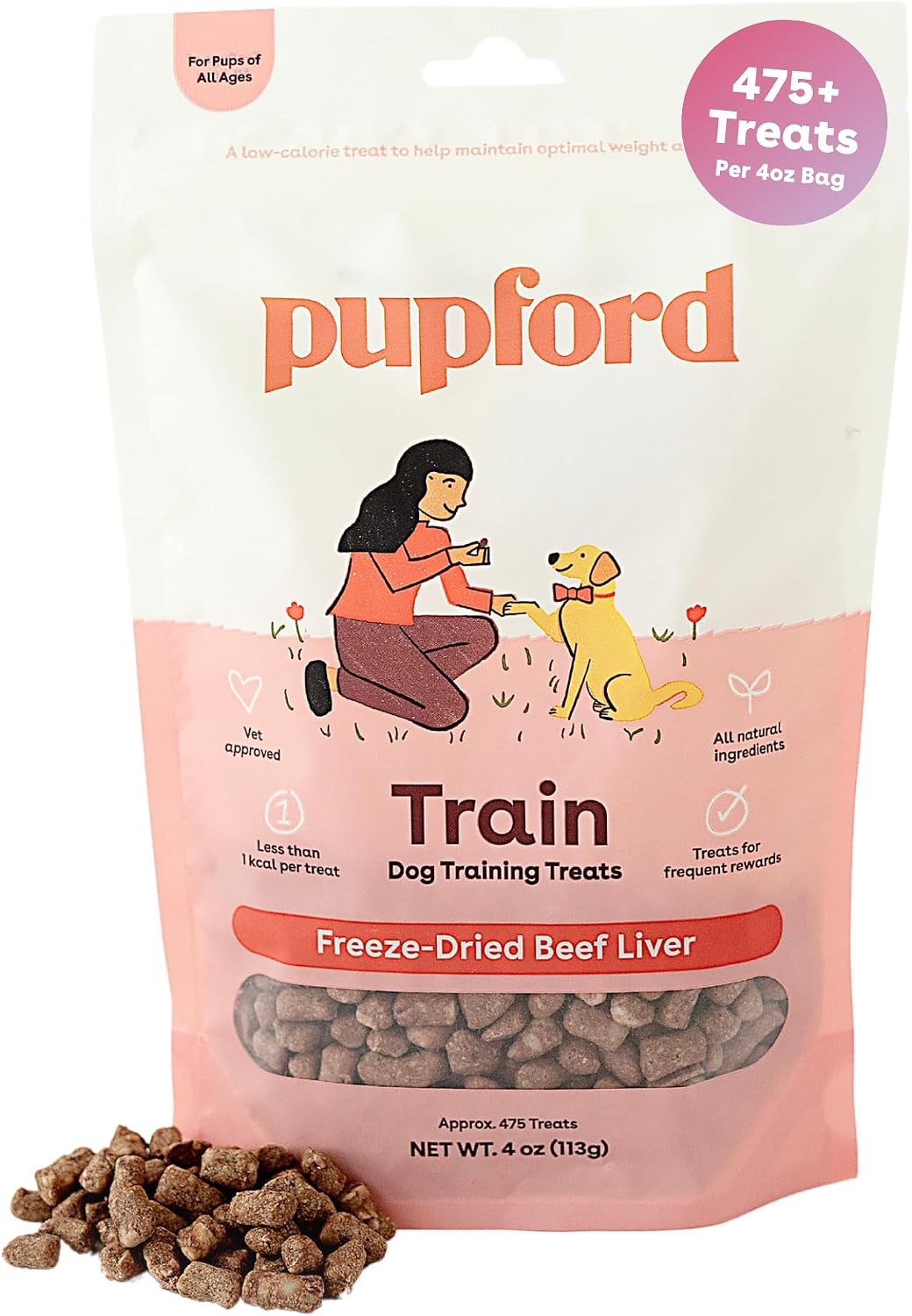
Puppy necks are still developing, and that is the entire argument for a front-clip harness over a collar for a dog who has not learned leash manners yet. A collar puts pressure on the throat every time the puppy lunges. A front-clip harness puts the pressure across the chest and shoulders, and it turns the dog back toward you instead of letting them drag you down the block.
The version here is a Medium in Raspberry, which is the size range most adolescent puppies land in once they have outgrown the baby harness but are not done growing. The design uses a martingale loop across the front, so a pull tightens the chest strap slightly and redirects the dog rather than just restraining them.
Two things I tell every owner who buys one. First, fit is not a one-time event. A puppy adds weight weekly, and a harness that was snug in March will rub in May. Check the strap behind the front legs every week, and if you see hair worn thin or a red patch in the armpit, the harness is either too loose, too tight, or sitting too far back. That is the most common way a good harness turns into a bad one.
Second, "no pull" is a marketing phrase, not a training plan. The harness is a management tool. It buys you the twenty seconds of control you need to reward a loose leash instead of getting dragged past the moment. Used that way, it is one of the best pieces of puppy gear you can own. Used as the whole plan, you will have a very strong dog in a harness in six months.
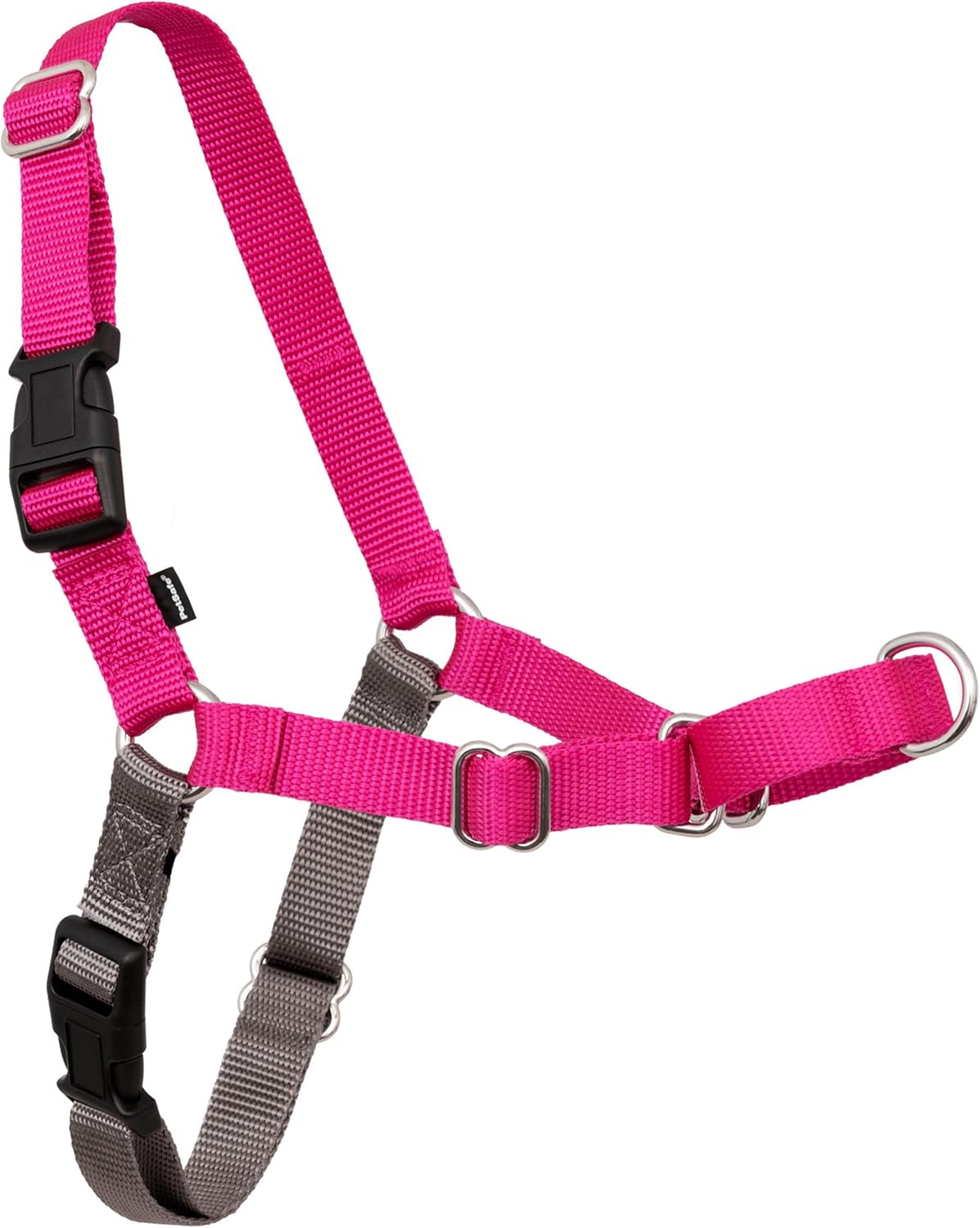
Best Long Chew: Bully Bunches Odor-Free Bully Sticks
This is not a training treat and it should never be handed out as one. It is an enrichment chew, and it solves a different problem: puppies need to chew, and if you do not give them something designed for it, they will choose your baseboard, your shoe, or the corner of the rug.
The 6 inch standard size in a 5 pack is a good fit for small to medium puppies, and the consistent sizing is the feature I care about most. When chews vary wildly in size, you cannot predict whether one will occupy a puppy for the length of a phone call or disappear in four minutes. Consistency makes the chew a scheduling tool. It is 100 percent beef, single ingredient, and the odor-free claim is the reason these can live in a house instead of a garage.
Use it strategically. A long chew is what I hand a puppy in a crate or an ex-pen when I want them to practice settling instead of screaming. It is also the tool I reach for during the evening witching hour, when a puppy has more energy than sense and a training session would just wind them up further. Chewing is calming, and a calm puppy at 8 p.m. is worth more than a perfect "down."
The safety rules are non-negotiable. Supervise while your puppy chews. Take the last inch away before it becomes small enough to swallow whole. Do not leave a chew in a crate with a puppy who is unattended. And if your puppy is a gulper rather than a gnawer, hold one end while they work the other, or pick a different chew format entirely.
Best Potty Signal: Dog Door Bells
I am not a pee pad person. Pee pads teach a puppy that indoors is a bathroom, and if your goal is outdoor potty training, you have just made your job harder on purpose. A bell on the door is the cleaner alternative, because it gives the puppy a way to communicate a need instead of guessing.
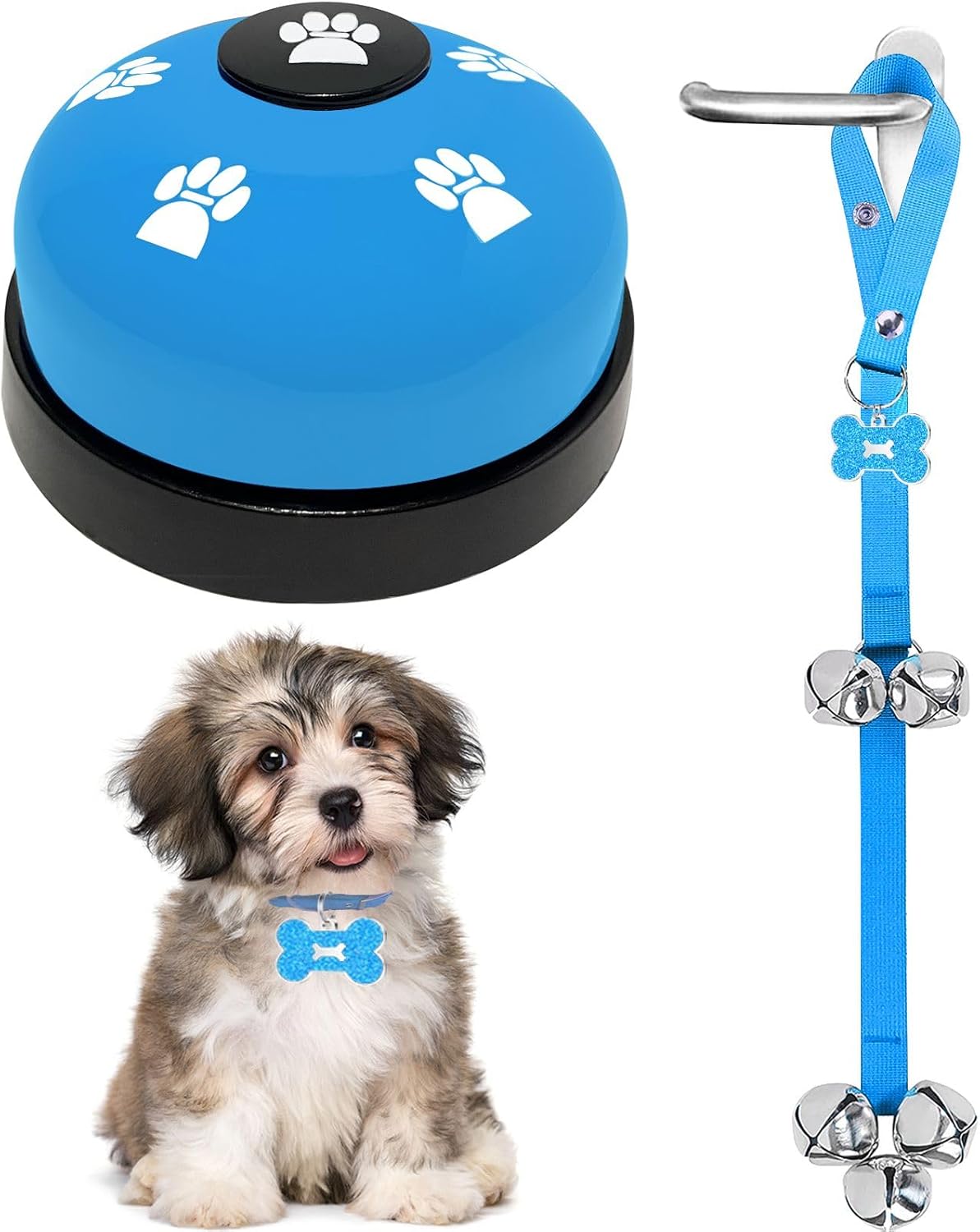
This set gives you two bells, which is more useful than it sounds. One hangs on the back door, one on the front door or the door to the yard your puppy actually uses, so you are not moving hardware around during a week when consistency is the only thing that works.
The teaching part is where most people go wrong. Do not hang the bell and wait for genius to strike. Ring it yourself with your puppy's nose or paw before every scheduled trip outside, say your potty word, open the door, go out, and reward the elimination, not the ringing. Do that twenty times over a week and the association forms.
Then watch for the failure mode: a puppy who figures out that ringing the bell opens the door and starts ringing it for entertainment. The fix is simple. Bell means outside on a leash, straight to the potty spot, boring and brief. If nothing happens, come back in. The bell stops being a game within a few days, and you keep the part you wanted, which is a puppy who tells you when they actually need to go.
How I tested
I do not review gear after one session with one puppy, because one session tells you nothing. My filter is four questions, and a product has to clear all four to get used in class.
Does it rely on pain or fear? If yes, it is out, at any age, for any dog. That eliminates the entire category of vibration and shock collars marketed toward puppies, and it eliminates them permanently.
Can a first-time owner use it correctly without me standing there? If a tool requires a trainer to interpret it, it will be used wrong at home, and it will fail the puppy.
Does it survive week six? Week one is easy. Week six is when the puppy has opinions, the owner is tired, and the gear is either part of the routine or forgotten in a closet.
Would I hand it to someone in my own class? That is the last filter, and it is the one that removes the most products.
What the criteria leave out
A few things did not make the list, and the reasons are worth stating.
Anything that uses pain or fear to suppress behavior is disqualified, no exceptions. That includes the "gentle" versions with a vibration setting, because a puppy does not read the marketing.
Treats that are too big to use in a session are a budget problem disguised as a product. A reward you can only hand out three times before the puppy is full is not a training treat, it is a snack, and snacks do not build behaviors.
Clickers are the best eight dollars in dog training and almost nobody uses one past day three, which is an owner problem rather than a product problem. Buy one if you will read the instructions. Skip it if you will not.
And anything promising a result in seven days is selling you a feeling. Training is a timeline, not a promise, and the gear only helps if the practice happens.
Puppy training gear reference table
| Gear | Job in training | Best for | Notes |
|---|---|---|---|
 Visit on Amazon → Pupford Freeze Dried Training Treats |
Paying for behavior | New behaviors and distraction work | Break into pea-size pieces, fade to praise |
 Visit on Amazon → PetSafe Easy Walk Harness |
Steering on leash | Puppies with developing necks | Refit weekly, watch the armpits |
 Visit on Amazon → Bully Bunches Bully Sticks |
Enrichment and settling | Crate time and witching hour | Supervise, remove the last inch |
 Visit on Amazon → Dog Door Bells (2 pack) |
Potty communication | Puppies on a potty schedule | Ring it yourself first, keep trips boring |
The table is the short version. The longer version is that these four items cover the four jobs that come up in the first three months, and nothing else on the market is required. You need a way to pay, a way to steer, a way to occupy, and a way to communicate. That is the kit.
Should you buy the Pupford Freeze Dried Training Treats?
Yes, if you want one reward that carries the hard reps. It is light in the pouch, it breaks down to whatever size the moment calls for, and it is high value enough to compete with the world outside your front door. Use it for new behaviors and distractions, and use plain kibble for the easy repetitions so your calorie budget lasts the whole session.
Should you buy the PetSafe Easy Walk Harness?
Yes, for a puppy whose neck is still developing and an owner who is tired of being towed. The front clip steers instead of choking, which is the correct job for a harness on a young dog. Just be honest about what it is. It buys you control while you teach loose leash walking, and it does not teach the behavior by itself. Refit it as your puppy grows, and check the armpits weekly.
Should you buy the Bully Bunches Bully Sticks?
Yes, as a chew and not as a treat. Puppies chew because they are puppies, and a long-lasting, consistently sized chew turns that need into a settling exercise instead of a demolition project. Supervise every session, take the last inch, and never leave one in a crate with an unattended puppy.
Should you buy the dog door bells?
Yes, if you will teach it properly. Ring it yourself before every scheduled trip, go outside on a leash, keep the trip boring, and reward what happens out there. Do that and you get a puppy who tells you when they need the door. Skip the teaching and you get a puppy who rings the bell for attention, which is a game you taught by accident.