I have run a puppy kindergarten out of a church basement for four years, and in that time I have watched owners spend real money on the wrong end of training. They buy gear, skip the plan, and then quietly blame the puppy for not practicing between sessions. So when I put together a puppy training starter kit, I am not looking for the most exciting product on the shelf. I am looking for the four things a first-time owner will still be using in week six, when the puppy is bigger, faster, and considerably less interested in cooperating.
That is the filter behind this comparison. The four items below cover the three problems that eat the first two months of a puppy's life: marking good behavior, surviving the biting stage, and getting the dog outside before it pees on the rug. One is a piece of hardware, two are books that hand you a daily structure, and one is pure management. They do different jobs, and pretending otherwise is how people end up with a drawer full of gadgets and a puppy who still bites.
If you only buy one thing from this list, buy the clicker, because a marker makes every other behavior easier to teach. The two books come next, and the slow feeder is the one piece here that fixes a problem training alone will not touch.
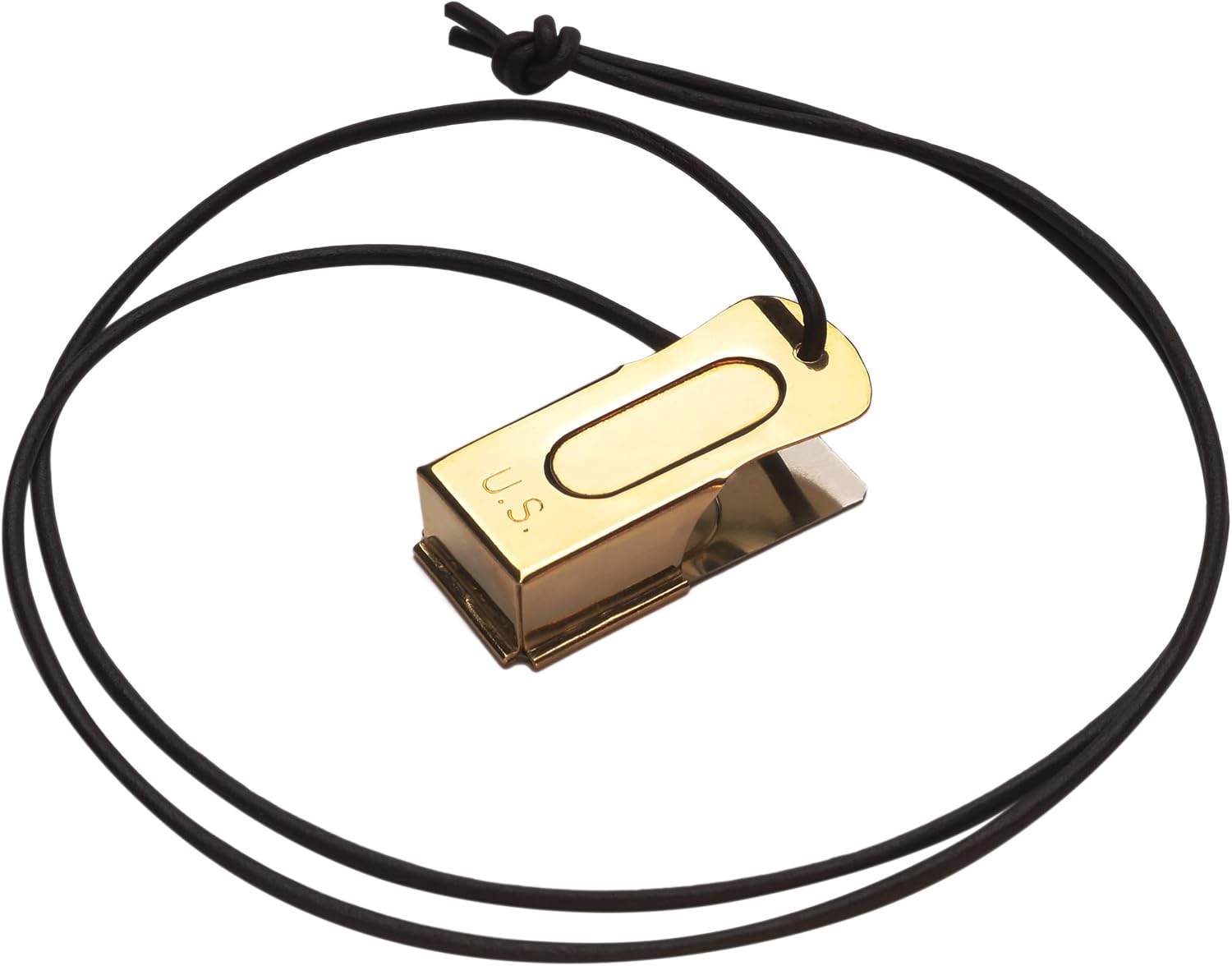
Mythrojan Brass and Steel Pet Training Clicker Puppy Dog Training Cricket Clicker U.S. Engraved WII Military Gear Metal Clicker
A metal click that carries outdoors, in a body that survives sidewalks, pockets, and being sat on
Heavier and louder than a plastic clicker, and it ships as hardware, not as a lesson plan
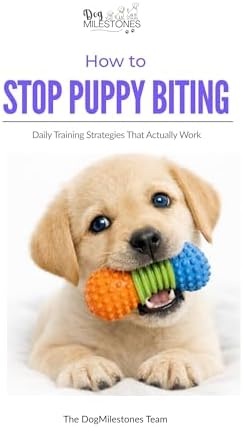
How to Stop Puppy Biting: Daily Training Strategies That Actually Work (Dog Milestones: The Puppy Biting Guide Book 2)
A day-by-day plan for the mouthy weeks instead of vague advice to yelp and walk away
It is reading, not gear. Nothing improves until you run the sessions yourself

Housebreaking your Puppy: Step-by-Step Method & Schedule & for Fast, Stress-Free Potty Training (Puppy Books)
Puts the schedule first, which is the part almost every owner gets wrong
Overlaps with any other training book you own, and the schedule still has to bend around your workday
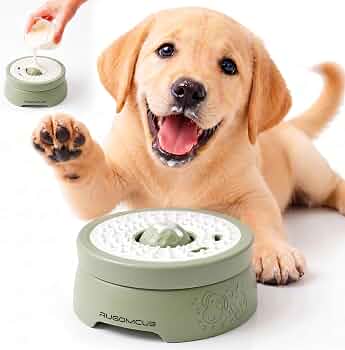
Slow Feeder Dog Bowl, 2-in-1, (Grass Green)
Two bowls in one, and a design that slows a gulper without you standing over the dish
It manages a behavior, it does not teach one, and a picky eater may just walk away
Prices and availability were captured from Amazon Creators API and may change.
The clicker is the tool I would replace last
Every behavior you will teach this year starts with a marker. A clicker is a sound that happens at the exact moment the puppy does the thing you want, followed immediately by a treat. That half second of accuracy is the difference between a puppy who understands "sit" in three repetitions and a puppy who learns that sitting gets him nothing in particular.
The Mythrojan clicker is the metal option in this roundup: brass and steel, engraved, built more like something from a surplus store than a party favor bag. If you train outdoors, that matters. A plastic click disappears into the noise of a park or a busy sidewalk, while a metal body produces a click that carries across a room. It also survives being dropped, stepped on, and chewed, which is more than I can say for the cheap plastic clickers that die in my class every spring.
The trade-off is that a clicker is hardware, not a curriculum. Nothing about the device teaches you when to click, how to charge the marker, or how to fade treats out later. That is exactly why I pair a clicker with a book rather than handing one out alone. Ten reps of click and treat, three short sessions a day, and most puppies are conditioned to the sound inside two days. The real work starts after that.
One caution: loud is not automatically better. If your puppy startles at the click, muffle it in your pocket or switch to a softer marker. The sound has to be neutral and consistent, not dramatic. A marker that scares the dog is worse than no marker at all.
The biting book covers the weeks nobody warns you about
Puppy biting is not aggression and it is not a personality flaw. It is a developmental stage, and it peaks somewhere between eight and sixteen weeks, right when the puppy's teeth are shifting and his arousal control is basically nonexistent. Most owners get one piece of advice from the internet, usually "yelp and withdraw," and then give up on it after four days because it did not work on a tired puppy at 8 p.m.
How to Stop Puppy Biting: Daily Training Strategies That Actually Work is structured around daily sessions rather than a single trick. That structure matters more than any individual technique, because the biting stage is won by repetition and by managing the puppy's state. An overtired puppy bites harder than a rested one. A puppy who has had no outlet for chewing bites harder than one who has. A puppy who gets attention every time he mouths a hand learns that hands are the most interesting toy in the house.
The book's real value is that it gives you something to do every day instead of waiting for the problem to fade on its own. It also lines up with the only rule I will not bend on: no pain, no fear, no "corrections" on a puppy. Punishment creates a dog that stops signaling before it bites, which is a much worse outcome than a mouthy ten-week-old.
Where it falls short is obvious once you say it out loud. A book cannot hand your puppy a chew toy at the right moment or end a play session at the right second. You still have to do the reps, and you still have to be boring when the teeth come out.
Housebreaking is a scheduling problem, not a training problem
Here is the thing most people get wrong about potty training: it is not about the puppy learning a concept. It is about you taking the puppy out often enough that he never gets the chance to practice going indoors. A young puppy needs out after every nap, every meal, every play session, and roughly every half hour in between during the early weeks. Do that consistently and the "training" mostly takes care of itself.
Housebreaking your Puppy: Step-by-Step Method & Schedule & for Fast, Stress-Free Potty Training puts the schedule at the center, which is the correct emphasis. It walks through the method step by step, and the schedule gives you a starting framework you can adapt to your own day rather than a vague instruction to "watch for signs." That framework is worth having, because the failure mode in potty training is almost always inconsistency, not stubbornness.
Two honest trade-offs. First, this book overlaps with any other puppy training book on your shelf. If you already own a solid general guide, you may not need a second one. Second, a schedule is only as good as your ability to follow it. If you work away from home, the plan has to bend around a midday walker or a crate setup, and no book can do that part for you.
One related note, because it comes up in every class: if your goal is outdoor potty training, skip pee pads entirely. They teach a puppy that going indoors is acceptable, and unteaching that is far harder than teaching it right the first time.
The slow feeder is management, not training
The Slow Feeder Dog Bowl, 2-in-1, in grass green is the odd item in this list, and I want to be straight about what it does. It does not teach your puppy anything. What it does is slow down a puppy who inhales a meal in under a minute, which is a management problem rather than a behavior problem. A dog who gulps his food and then wants to wrestle is a dog who is about to throw up on your rug, and no amount of clicker work fixes that.
The 2-in-1 design gives you a maze side and a standard side, which is genuinely useful if you have more than one dog or if you want to move the puppy onto a normal bowl later. The grass green color is a small thing, but a bowl that does not look like hospital equipment is a bowl you will actually leave on the floor.
The trade-offs are real. Some puppies solve a maze bowl in about four seconds and the slowing effect disappears. Others get frustrated and walk away from the meal entirely, which is worse than eating fast. If your puppy is flat-faced, a deep maze can be awkward to eat from, so watch the first few meals and switch sides if he struggles. And it needs washing regularly, because dried kibble in the grooves is unpleasant for everyone.
My favorite use for it is not feeding at all. Drop a handful of kibble into the maze and let the puppy work for it while you eat dinner in peace. That is enrichment, and enrichment is what buys you a calm evening.
How I would sequence these four
If all four arrived on the same day, here is the order I would put them to work.
Week one belongs to the clicker and the potty schedule. Charge the marker with ten click-and-treat reps, three times a day, and start taking the puppy out on a timer before you teach anything else. Feeding goes in the slow feeder from day one, because a fast eater who bolts his food is a fast eater who bolts around the living room afterward.
Weeks two through four belong to the biting book. Run one short session a day, keep sessions under five minutes, and end them while the puppy is still succeeding. Add the clicker to those sessions once it is charged, and you are now marking and rewarding the behaviors you want instead of reacting to the ones you do not.
Weeks five and six are where most people quit, and they are also where the payoff shows up. The puppy is bigger, the teeth are sharper, and the behaviors you have been feeding are starting to hold under mild distraction. This is the point where I start fading treats, replacing every third reward with praise. That step is the one everybody skips, and it is the reason so many adolescent dogs stop listening.
Where each of these falls short
The clicker is a tool, not a teacher. Without a plan for what you are marking, it is a noisy piece of metal.
The biting book is a plan, not a solution. If you read it and do not run the sessions, nothing changes, and the puppy gets blamed for your week.
The housebreaking book assumes you can actually hold a schedule. Shift work, travel, and long commutes all break the plan, and you will need to rebuild it around your reality rather than pretend the standard version fits.
The slow feeder solves exactly one problem. It is not a puzzle toy, not a boredom buster for a chewer, and not a substitute for training. It is a bowl with a job.
Questions I get about this kit
Do I need a clicker if I already use a marker word like "yes"? No, but pick one and stay consistent. A click is faster and more precise than a spoken word, which matters when you are marking a split-second behavior like a sit or a down. If you already have clean timing with a word, keep the word.
Should I buy both books? Only if biting and potty training are both problems right now, which, for most puppies under four months, they are. If you have to pick one, pick based on which problem is costing you the most sleep.
Can a slow feeder replace training at mealtime? No. It changes how fast food disappears, not how your puppy behaves. If you want mealtime to do training work, hand-feed part of the meal and use those kibbles as rewards.
What if my puppy ignores the clicker? Then it is not charged yet. Go back to ten reps of click, treat, click, treat, with no behavior attached. If the sound itself startles him, soften it or switch to a marker word.
The short version
Buy the clicker first, because a marker is what makes every other lesson land. Add the biting book if your hands are currently covered in teeth marks, add the housebreaking book if you are cleaning up accidents twice a day, and add the slow feeder if your puppy eats like someone is about to take the bowl away. Four items, three problems, and one rule that never changes: the tool is a small part of it, and the reps you actually run are the rest.