I have run a puppy kindergarten out of a church basement in Denver for four years, after three years of private sessions in other people's living rooms. That is a long way of saying I have watched a lot of puppies meet a lot of gear. My classes graduate more than 30 puppies a month, and by week six I can usually predict which items from the shopping bag are still in the daily rotation and which ones are living in a drawer next to a dead houseplant.
So when someone asks me to put together a puppy training starter kit, I do not hand them the biggest bag of stuff. I hand them four things a first-time owner can use correctly without me standing over their shoulder, and that still work when the puppy becomes a forty-pound adolescent with opinions about squirrels. Everything below passed that filter, and I will tell you exactly where each item disappoints, because a buying guide that only lists wins is a sales page.
Related: Clicker Training Basics For Puppies
The best pickup in this group for most people is the AUDWUD treat pouch with the built-in clicker, because it keeps your marker and your payment in one place and forces you to actually use both. At six dollars and change, it solves the single most common failure I see in class: the clicker goes in a pocket, the treats go on a counter, and by day three nobody is marking anything. The other three items matter, but none of them fix a timing problem.
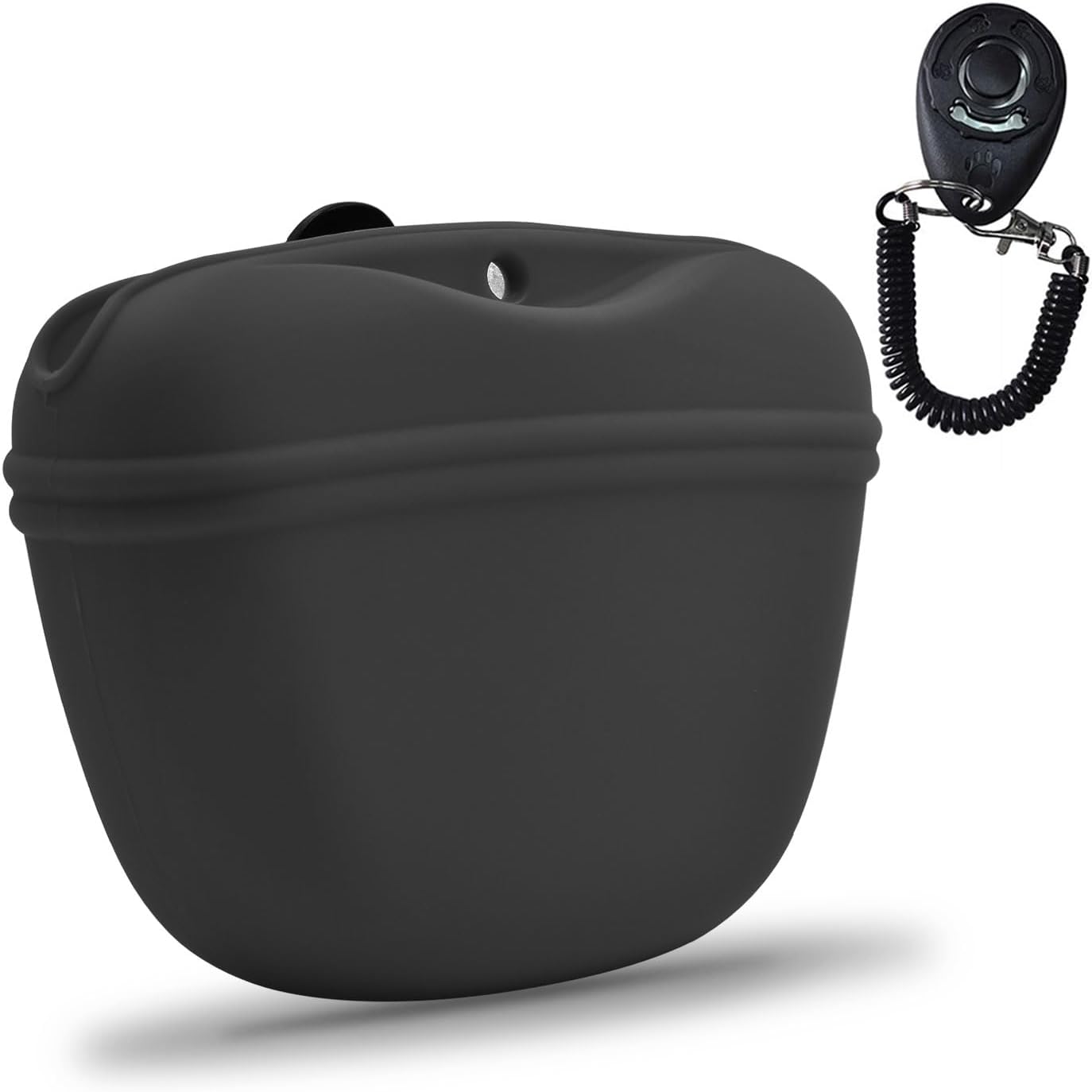
AUDWUD Silicone Dog Treat Pouch with Clicker
Pouch and clicker in one unit, one-handed magnetic closure, clips to a belt and stays put
Silicone holds onto odor over time, and the included clicker is plain with no wrist strap
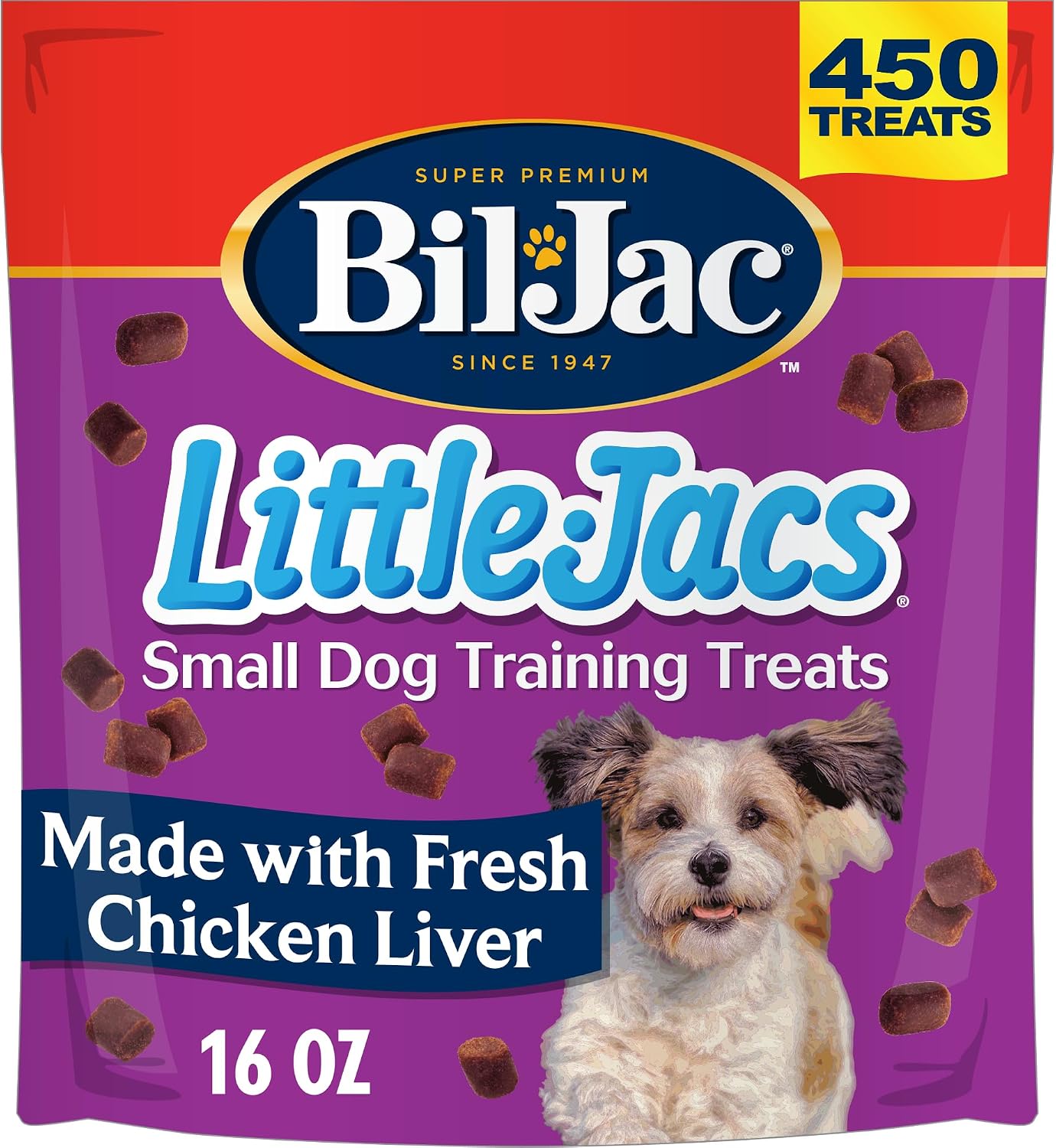
Bil-Jac Little-Jacs Soft Dog Training Treats with Chicken Liver
Soft enough to tear one-handed, small enough to pay a puppy forty times a session without wrecking dinner
Liver smell stays on your fingers, and the soft texture turns to crumbs at the bottom of the bag
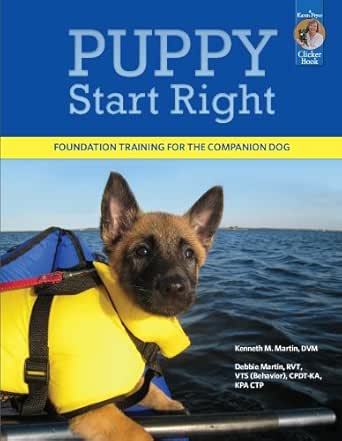
Puppy Start Right: Foundation Training for the Companion Dog
A real week-by-week curriculum that gives the owner homework instead of vibes
It is reading, and the owners who need it most are the least likely to open it
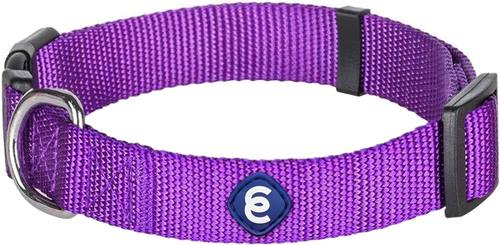
Blueberry Pet Essentials Florence Orange Adjustable Nylon Collar for Small Dogs
Light, adjustable, and bright enough to spot across a parking lot, with a buckle that does not catch puppy fuzz
Small-dog sizing only, and a flat collar is an ID tag holder, not a leash-training tool
Prices and availability were captured from Amazon Creators API and may change.
How I judge puppy training gear
Every product that comes through my class gets run against four questions. Does it rely on pain or fear? Can a first-time owner use it correctly on the first try, with no instructor correcting their hand position? Does it survive week six, when the puppy is bigger, faster, and testing everything you thought you had taught? And would I actually use it in my own class, in front of paying clients?
Anything that fails the first question is out permanently, no matter how well it sells or how many reviews it has. That is not a philosophical position, it is an observation from seven years of watching what happens to dogs who learn through corrections. They get quiet. Quiet is not the same as trained.
The other three questions are practical. A tool that only works when a professional is holding it is not a tool, it is a demo. And a tool that works great on a ten-week-old puppy but fails at five months was never worth the money, because five months is when most owners quit.
The clicker and pouch: the tool nobody wants to buy
The clicker is the cheapest and most misunderstood thing in dog training. It does not teach your puppy anything by itself. It is a marker, a sound that lands exactly on the behavior you want and tells the puppy, at the speed of sound, that this exact thing right here is what gets paid. Timing is the whole skill, and a clicker is more precise than your voice ever will be.
The problem, and I say this with love for my clients, is that people put the clicker down after day three. It goes in a jacket pocket, then a different jacket, then a drawer. The AUDWUD pouch fixes that by making the clicker impossible to separate from the treats. One clip on your waistband, magnetic closure you can work with one hand while your other hand is on a leash, and everything you need is in the same spot every single session.
What I do not love about it: silicone picks up the smell of whatever you put inside, and by month two the pouch smells like liver no matter how often you rinse it. The included clicker is a plain one with no wrist strap, so if you drop it in tall grass you are going to spend a few minutes on your knees. Neither of those is a dealbreaker at this price, and I would rather an owner have a clicker that lives in a pouch than an expensive one that lives in a drawer.
That said, the pouch does not teach timing. If you click late, you are marking the wrong thing, and this is the part where the book below earns its place in the kit. Visit on Amazon → if you want to start with the tool I see make the biggest difference for the least money.
Puppy Start Right is the curriculum I wish more owners read
Here is the uncomfortable math of my job: the tool is maybe ten percent of training. The other ninety percent is timing, consistency, and an owner who practices between sessions. That ninety percent is what Puppy Start Right covers, and it is why I keep recommending it to people who show up to class with a bag full of gadgets and no plan.
It is structured as a foundation program for the companion dog, which means it walks you through puppy development, house training, socialization, and the first behaviors in something close to the order your puppy actually needs them. It uses the vocabulary I use in class. Capturing a behavior the dog offers naturally, shaping small steps toward a finished behavior, fading the treats before the puppy decides you are no longer worth listening to.
The trade-off is obvious and I will not pretend otherwise. It is a book. It requires you to read it and then do homework. The owners who need the structure the most are often the ones who buy it, skim the first chapter, and never open it again. If that is you, be honest about it before you buy, because a curriculum you do not follow is worth less than a clicker you actually use. Visit on Amazon → if you want the plan, not the props.
Blueberry Pet collar: fit, growth, and honest limits
Every puppy needs a collar on day one, for one reason: identification. A tag with your phone number is the difference between a puppy who gets home and a puppy who becomes somebody's story about the dog they found. The Blueberry Pet collar does that job well. It is lightweight nylon, so it does not bother a small dog's neck, it adjusts through the growth spurts, and the orange is bright enough to spot in the dark corner of a yard.
Fit is where people get it wrong. You want it snug enough that it will not slide over the head, and loose enough that you can get two fingers under it. Check it every couple of weeks, because an eight-week-old puppy and a five-month-old puppy are not the same animal, and a collar that fit in April will be a choking hazard by June.
The limitation is that this is not a training tool, and treating it like one is how puppies end up with irritated windpipes. Small-dog sizing means it works for the mini and toy breeds my early classes fill up with, and it is not built for a lab puppy's neck. If you are working on leash pulling, use a harness or a head collar for the walking, and let the flat collar do the simple job of holding a tag. Visit on Amazon → if you need a first collar that will not break the bank.
Bil-Jac Little-Jacs: treat size is the whole game
Owners get weird about treats. They worry it is bribery. It is not bribery, it is payment, and the problem was never that you used treats, it is that you never stopped. Bil-Jac Little-Jacs are soft, small, and easy to tear in half with one hand while the other hand is holding a leash, which is exactly what a training treat needs to be.
The size is the part people underestimate. In a fifteen-minute session you might pay a puppy thirty or forty times. If each reward is the size of a golf ball, you have fed a meal's worth of calories and your puppy is going to lose interest in dinner and gain weight. Little-Jacs are small enough to keep the calorie budget sane and soft enough that a young puppy can chew and get back to work instead of standing there crunching.
What I do not love: the chicken liver smell sticks to your fingers, and the soft texture means the bottom of the bag turns into crumbs. Those crumbs are still useful, they just make a mess. The softer point, and the one that matters more, is that treats have to fade. Start paying every repetition, then every other, then only the best reps, and layer in praise as the food comes out. If your pocket is empty and your puppy still works, you have trained something. If your puppy only works when you are holding food, you have rented a behavior. Visit on Amazon → if you want a soft training treat that works for tiny mouths.
The trade-offs and the order I would buy in
You do not need all four on day one, and buying all four at once is how people end up overwhelmed before the puppy has even had its first vet visit.
Start with the collar, because identification is a safety item and there is no version of the first week where you skip it. Add the treats and the pouch together, because a clicker without treats is a noise maker and treats without a marker are just snacks. Then add the book when you are ready to sit down and plan the next eight weeks instead of improvising them.
Two more trade-offs worth naming. First, none of this gear fixes an owner who does not practice. I can hand the same four items to two families and one puppy will be walking loose-leash past squirrels at four months while the other is still pulling. That difference is not the gear. Second, gear that is useful at eight weeks can expire. Recheck the collar fit monthly, refill the treat supply, and retire anything that starts rubbing or pinching.
What I would skip entirely
Pee pads, if your goal is outdoor potty training. They teach a puppy that going indoors on a soft surface is correct, and you will spend weeks untraining it. Any collar marketed with a vibration or shock function for puppies, which fails my first question and does not get a second look. Training treats the size of a golf ball, which blow your calorie budget in one session. And harnesses that rub the armpits raw, which is a fit problem that a five-dollar adjustment fixes if you actually check it.
What I am testing next
I have eight brands of training treats and a handful of leashes in rotation right now, run through a distraction test at a busy park with real puppies and real squirrels. Most treats have failed by session two, usually on size or on a puppy spitting them out. When I have enough sessions logged to say something honest, I will publish the results, including the ones that did not work.
Bottom line
If you want the short version: buy the collar first because it is a safety item, then the treats and the pouch together because they are the same purchase in practice, then the book when you are ready to do the reading. The best item in this group for most first-time owners is the pouch with the clicker, and the best long-term investment is the curriculum.
None of it is magic. These are four ordinary, unfashionable tools, and they work because they make good habits easier and bad habits harder. That is the whole test, and it is the one most puppy gear fails by week six.