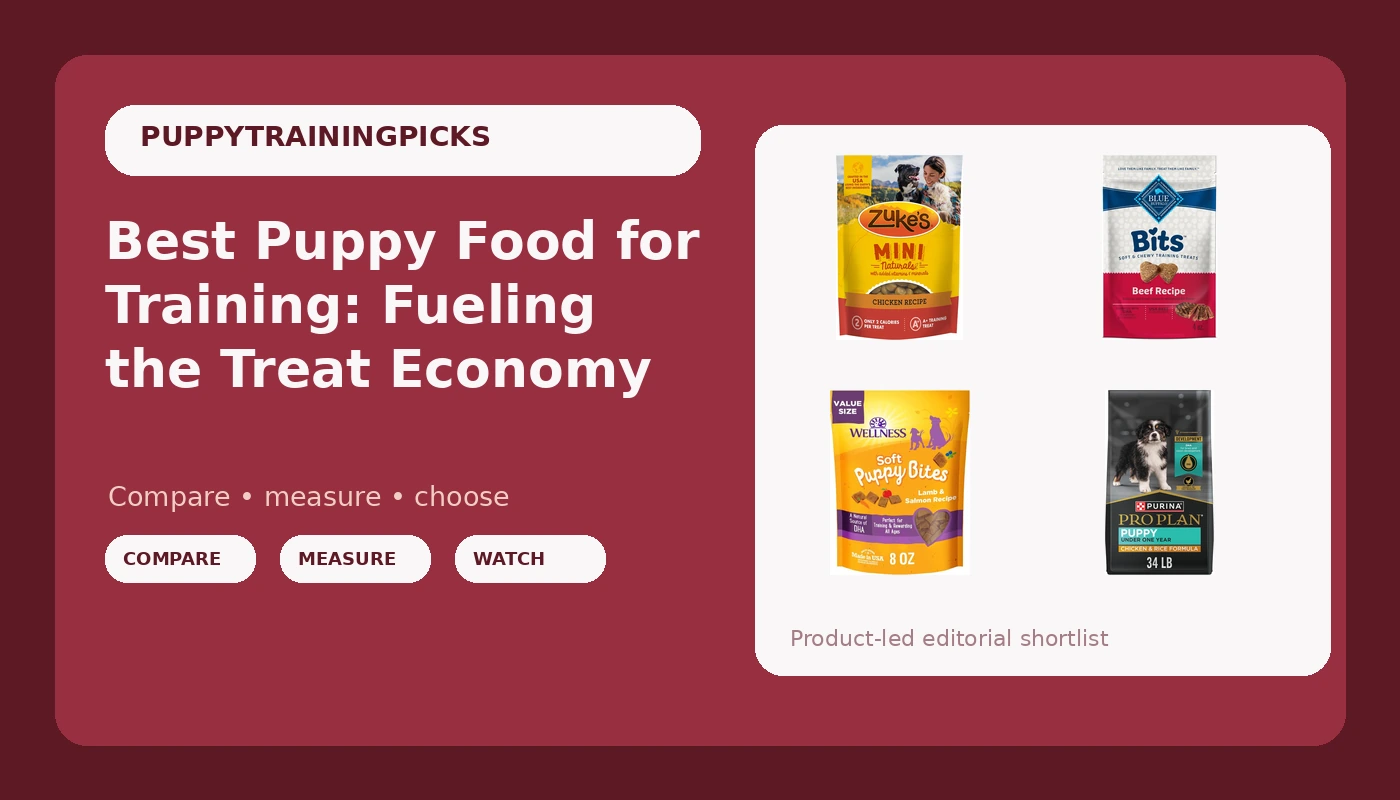
The treat pouch is empty again. You're mid-walk, your 14-week-old land shark is staring at your hand like it's a steak, and you're doing the treat pouch fumble because you grabbed the wrong bag of treats this morning. Sound familiar?
I've been running my puppy kindergarten for four years now, and I've watched hundreds of owners struggle with the same problem: they bought the right harness, they've got the clicker, they've done the crate training homework.
But the treats? They're using whatever was on sale at the pet store, and it's falling apart in their pocket, or it's so low-value their puppy would rather sniff a fire hydrant than look at them.
Here's the thing nobody tells you about puppy training: the treats are the engine. The harness, the leash, the crate, all of that is just the chassis. If the engine is garbage, the car doesn't move. I've spent the last two years testing different puppy foods and training treats with my own dog Poppy and the thirty-plus puppies that graduate my classes every month. This is what I've learned.
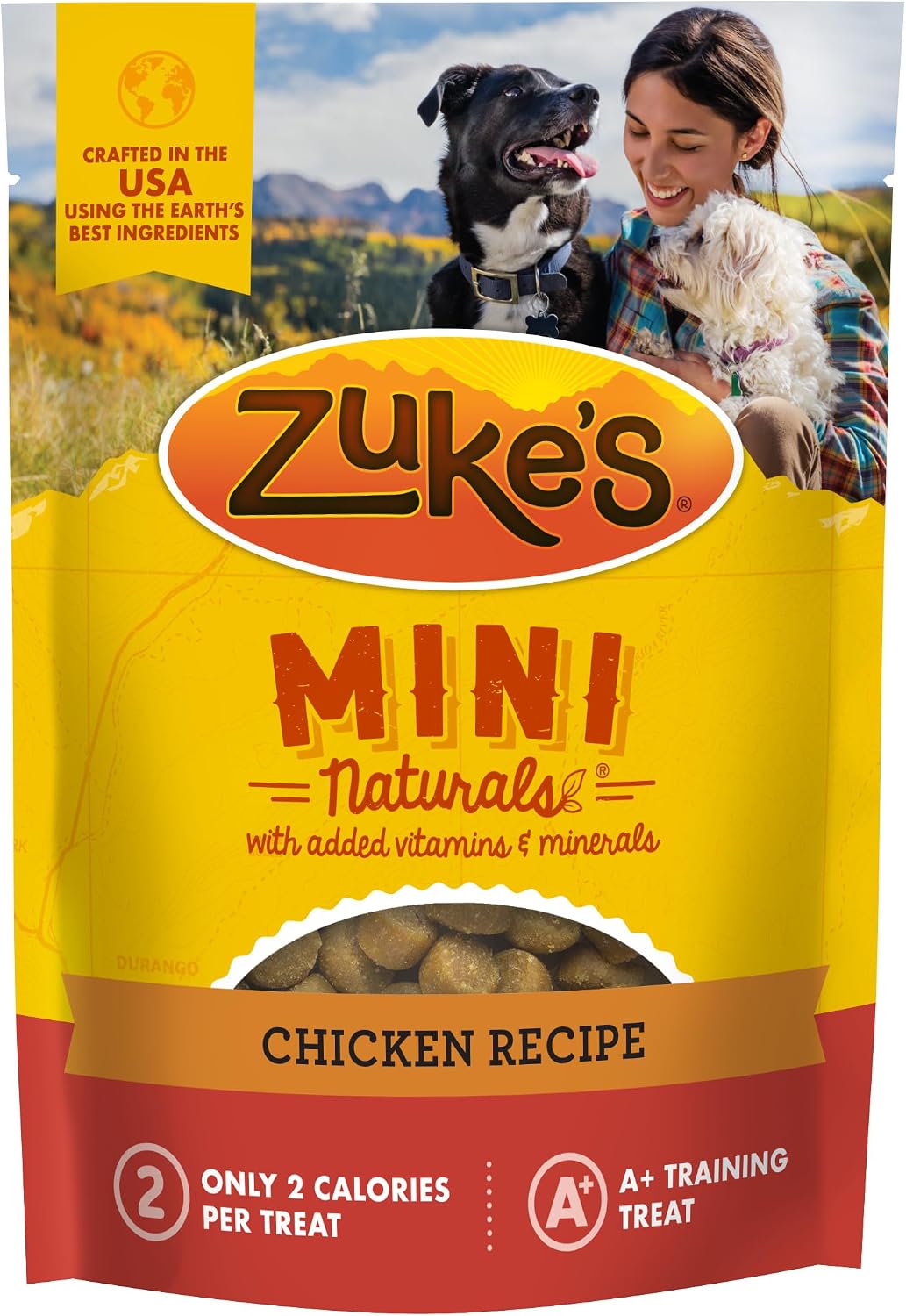
Zuke's Mini Naturals Dog Training Treats, Chicken Recipe, 6 oz Pouch
Soft, small, high-value, survives the treat pouch
Visit on Amazon →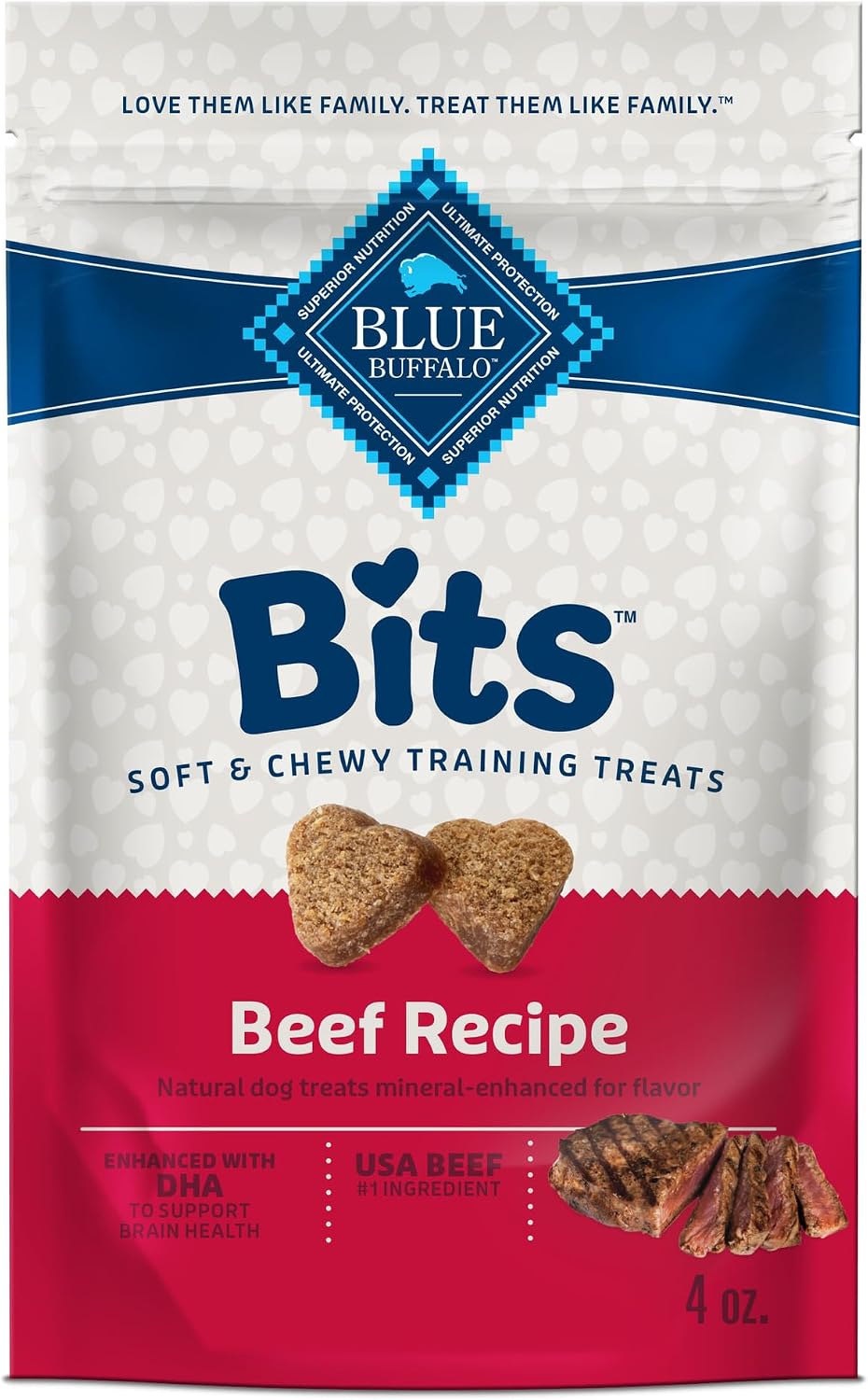
Blue Buffalo Bits Beef Training Treats, 4 oz
Product Description Blue Buffalo Bits Beef Training Treats are soft, bite-sized dog treats. They are soft, moist, and tasty and perfect for small, medium, and large dogs of all life sta
Visit on Amazon →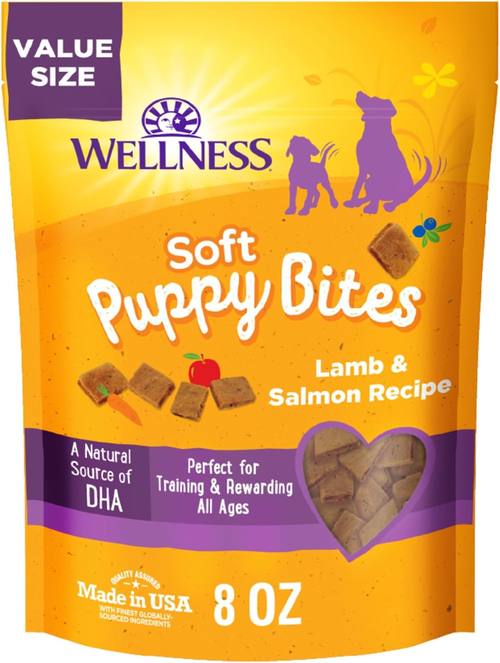
Wellness Soft Puppy Bites Dog Training Treats, Natural, Grain Free, Lamb and Salmon Recipe, 8 oz Bag
High protein, no artificial stuff, holds up in the pouch
Visit on Amazon →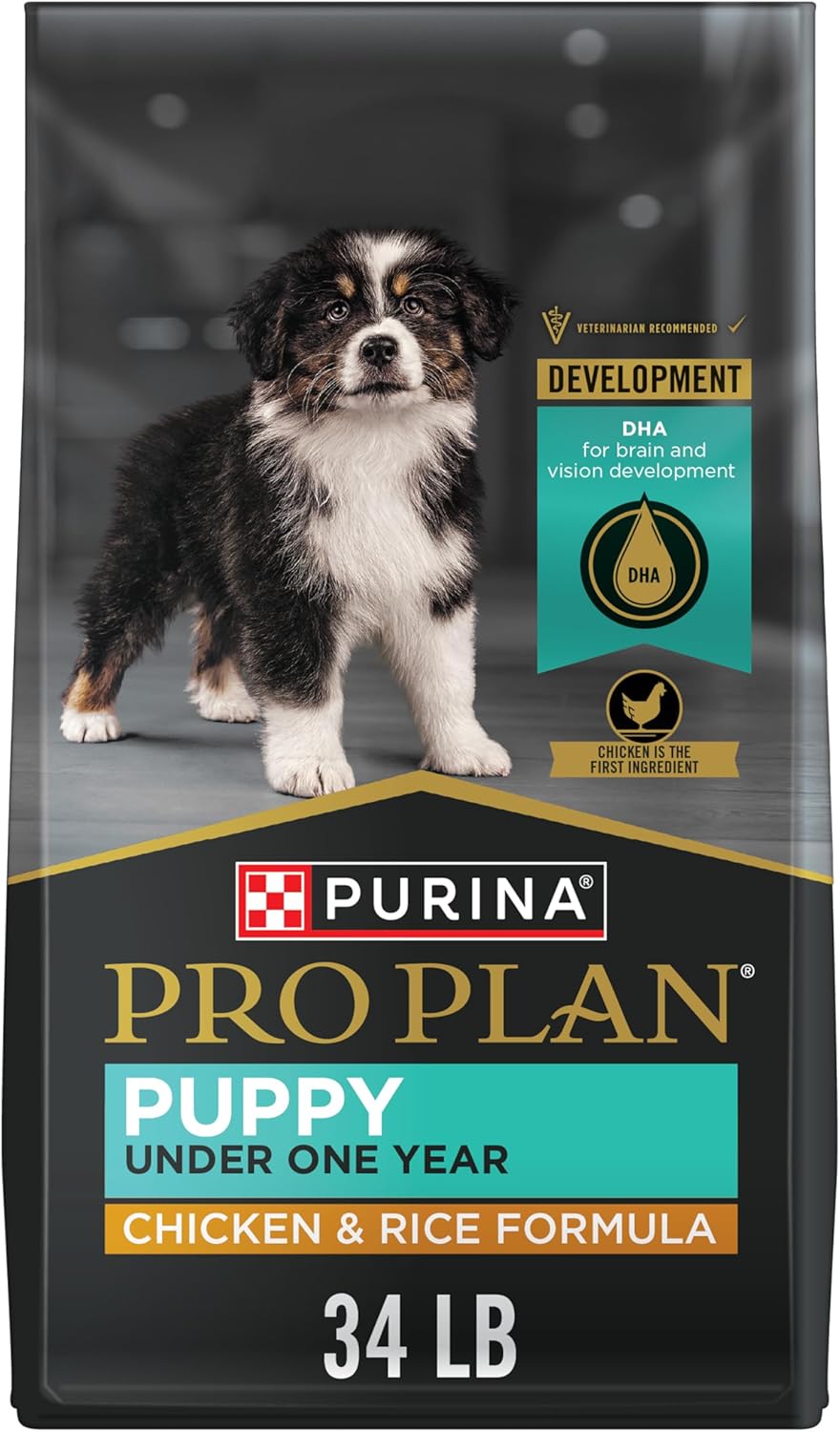
Purina Pro Plan High Protein Dry Puppy Food, Chicken & Rice, 34 lb Bag
A large bag for everyday feeding
Visit on Amazon →Blue Buffalo Bits Beef Training Treats, 4 oz
Product Description Blue Buffalo BLUE Bits are heart-shaped, bite-sized dog training treats. They are soft, moist, and tasty and perfect for small, medium, and large dogs of all life sta
Visit on Amazon →How I Tested
Before I get into the reviews, let me be clear about my process. I don't do lab tests. I don't measure protein percentages on a spreadsheet. I run a puppy class, and I watch what happens when thirty different puppies are offered a treat in a distracting environment.
I take notes on which treats get eaten immediately, which ones get sniffed and rejected, and which ones turn into a soggy mess in a treat pouch after a 20-minute walk.
I also use these treats with Poppy, my two-year-old golden retriever mix. He's a picky eater, which makes him a good test subject. If he eats it, most puppies will.
One thing I'll admit up front: I don't track prices day to day. The pet food market is weird right now, and prices change weekly. I'll give you what I paid and what I've seen recently, but I won't pretend to know what these will cost next week.
Zuke's Mini Naturals
Honestly, these are the treats I recommend to every single owner in my class. They're soft, which means I can break them into tiny pieces for puppies under 12 weeks. They're small, which means they don't fill up a puppy's belly during a training session. And they smell like liver, which is basically puppy catnip.
Visit on Amazon →
The version I own comes in a 16-ounce resealable bag. I go through one bag every two weeks with my classes. The texture is the key: it's soft enough to break with two fingers, but firm enough that it doesn't disintegrate in your pocket. I've had owners report leaving these in a treat pouch for a full day and finding them intact at dinnertime. That's rare.
The downside: they're not cheap. At about ~$13 per bag, and with puppies eating them like candy, you'll be reordering monthly. But here's the math I do in class: one bag lasts my Poppy about three weeks, which works out to about 60 cents a day. That's less than a cup of coffee, and it's the difference between a puppy who looks at you when you call their name and a puppy who bolts after a squirrel.
Blue Buffalo Blue Bits
These are the treats I keep in my car. They're a close second to Zuke's, and for some puppies, they're actually better. The flavor is stronger, which helps when you're training outside in the winter and your puppy's nose is frozen.
Visit on Amazon →
The texture is softer than Zuke's, which is good for tiny puppies but bad for hot weather. I had one owner last summer report that her Blue Bits melted into a single clump after she left them in her car for an hour. That's not a dealbreaker, but it's worth knowing.
What I like about these: they're made with real chicken as the first ingredient, and they don't have any artificial colors or preservatives. I've had owners with sensitive-stomach puppies report fewer digestive issues with these than with some other brands.
The issue I've seen with these in my classes: some puppies get bored. I had a 6-month-old GSD mix who would eat one Blue Bit and then refuse the second. His owner switched to Zuke's and suddenly he was a training star. That's not a flaw in the product, it's just puppy taste. But it's worth mentioning.
Wellness Soft Puppy Bites
This is the treat I recommend for owners who want something with a little more substance. These are bigger than Zuke's and Blue Bits, so you'll want to break them into smaller pieces for training. The protein content is higher, which makes them good for longer training sessions where your puppy needs sustained energy.
Visit on Amazon →
The texture is the softest of the three, which is great for puppies under 10 weeks who are still learning to chew. But it's also the crumbliest. I've had owners report that these leave crumbs in their treat pouch, and if you're training in the heat, they can get a little sticky.
These are my backup treats. When a puppy is being extra stubborn, I pull out the Wellness bites. The stronger smell and bigger size usually do the trick.
Purina Pro Plan Puppy Chow
I know, I know. This isn't a training treat. But hear me out.
 Visit on Amazon →
The best training treat is whatever your puppy will eat, and for many puppies, that's their regular food. I've had owners in my class who use their puppy's kibble as training treats, and it works. The key is to use a high-value kibble that your puppy actually likes.
Visit on Amazon →
The best training treat is whatever your puppy will eat, and for many puppies, that's their regular food. I've had owners in my class who use their puppy's kibble as training treats, and it works. The key is to use a high-value kibble that your puppy actually likes.
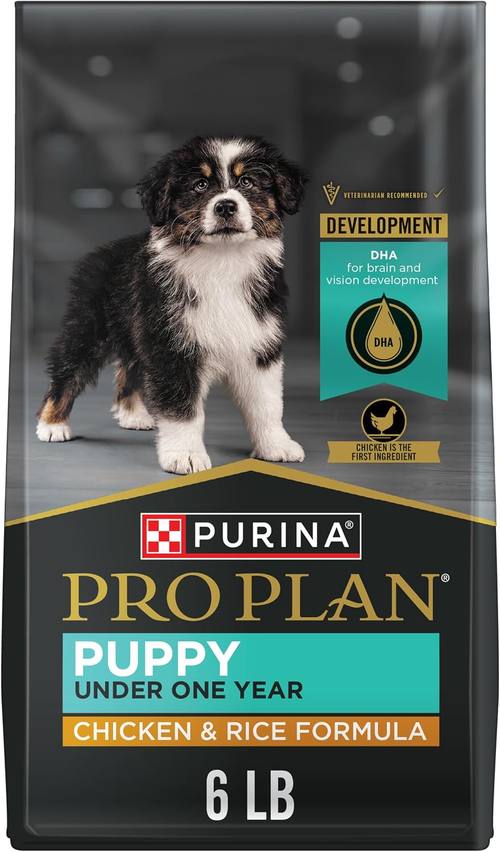
Purina Pro Plan is the kibble I recommend for most of my students. It's widely available, reasonably priced, and most puppies eat it without complaint. The puppy formula has DHA for brain development, which is important during the socialization window.
The issue: it's not high-value enough for distracting environments. If you're training in your living room, kibble works fine. If you're training on a busy sidewalk, you'll need something better. That's why I recommend using kibble for the easy stuff and saving the Zuke's for the hard stuff.
Royal Canin Puppy Food
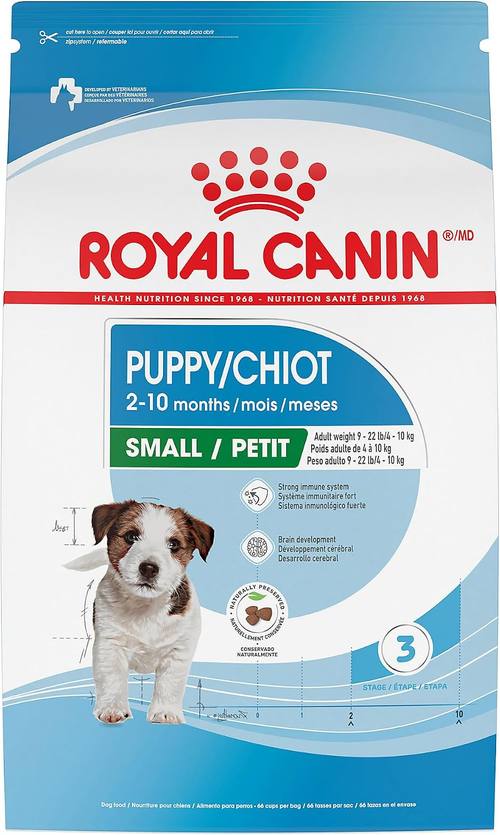
This is the kibble I recommend for puppies with sensitive stomachs. I've had several students whose puppies had diarrhea on other brands, and Royal Canin cleared it up within a week. The ingredients are high quality, and the kibble size is perfect for small puppies.
 Visit on Amazon →
The downside: it's expensive. At ~$25 for an 8-pound bag, you're paying double what you'd pay for Purina Pro Plan. And my puppies weren't wild about the taste. I had one student whose golden retriever would eat Royal Canin only if it was mixed with wet food.
Visit on Amazon →
The downside: it's expensive. At ~$25 for an 8-pound bag, you're paying double what you'd pay for Purina Pro Plan. And my puppies weren't wild about the taste. I had one student whose golden retriever would eat Royal Canin only if it was mixed with wet food.
Use this one if you need it, not because it's the best.
The Treat Economy
Here's the concept I teach in my classes: treat economy. Every puppy has a daily treat budget, and you need to spend it wisely. If you give your puppy a handful of treats for no reason, you've devalued the currency. If you only give treats for good behavior, you've made them worth something.
I had a student last year who was struggling with her 5-month-old lab. The dog was pulling on the leash, ignoring her in class, and generally being a nightmare. I asked her what treats she was using. She pulled out a bag of generic supermarket treats that she'd bought for ~$4.
I told her to switch to Zuke's and come back next week. She came back with a completely different dog.
The treats weren't magic, but they were worth enough that her puppy actually cared about earning them.
That's the lesson. The best puppy food for training isn't the most expensive or the most nutritious. It's the one your puppy will work for.
What I Actually Feed Poppy
For the record, Poppy eats Purina Pro Plan for meals and Zuke's Mini Naturals for training. He's two years old now, and he still does a 15-minute training session every morning. The treats are the reason he's excited about it.
If you're just starting out with a new puppy, here's my advice: buy a bag of Zuke's Mini Naturals and a bag of Purina Pro Plan. Use the kibble for easy training at home and the Zuke's for everything else. That combination will get you through the first six months without breaking the bank.
The Bottom Line
I've spent four years and roughly ~$800 on treats and food for puppies that weren't even mine. The Zuke's Mini Naturals are the best training treats I've found, and I'll keep recommending them until something better comes along. The Purina Pro Plan is the best value for meal-time food. Everything else is situational.
Your puppy is going to learn whether you use cheap treats or expensive ones. The question is whether they'll learn fast enough to matter. Spend the extra few dollars on treats your puppy actually wants to work for. It's worth every penny. Make room for the Zuke's Mini Naturals, the Blue Buffalo Blue Bits, and the Wellness Soft Puppy Bites.