Related: How To Train A Puppy To Come When Called
I've been training puppies professionally for seven years, which means I've also been correcting jumping behavior for seven years. I've watched owners try every method, from kneeing the dog in the chest (don't do that, it doesn't work and it's mean) to buying every spray, shake can, and clicker on the market.
Most of it is junk. The good news is that jumping is one of the easiest habits to fix if you have the right gear and a simple, consistent plan.
This guide covers the exact training protocol I use in my puppy kindergarten classes, plus the three pieces of gear that actually make the process faster.
No fluff, no magic wands, just what works.
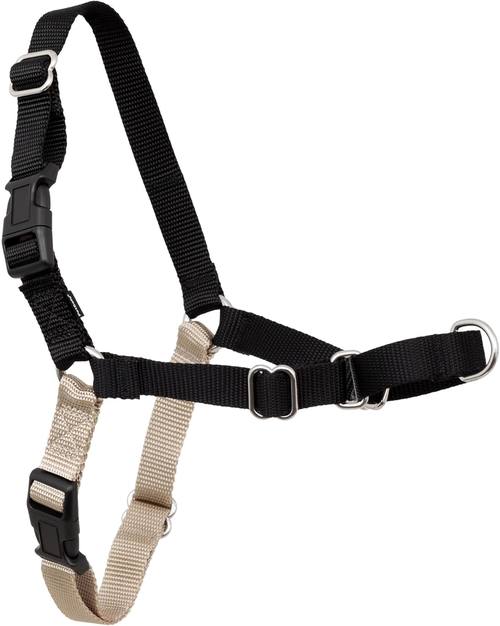
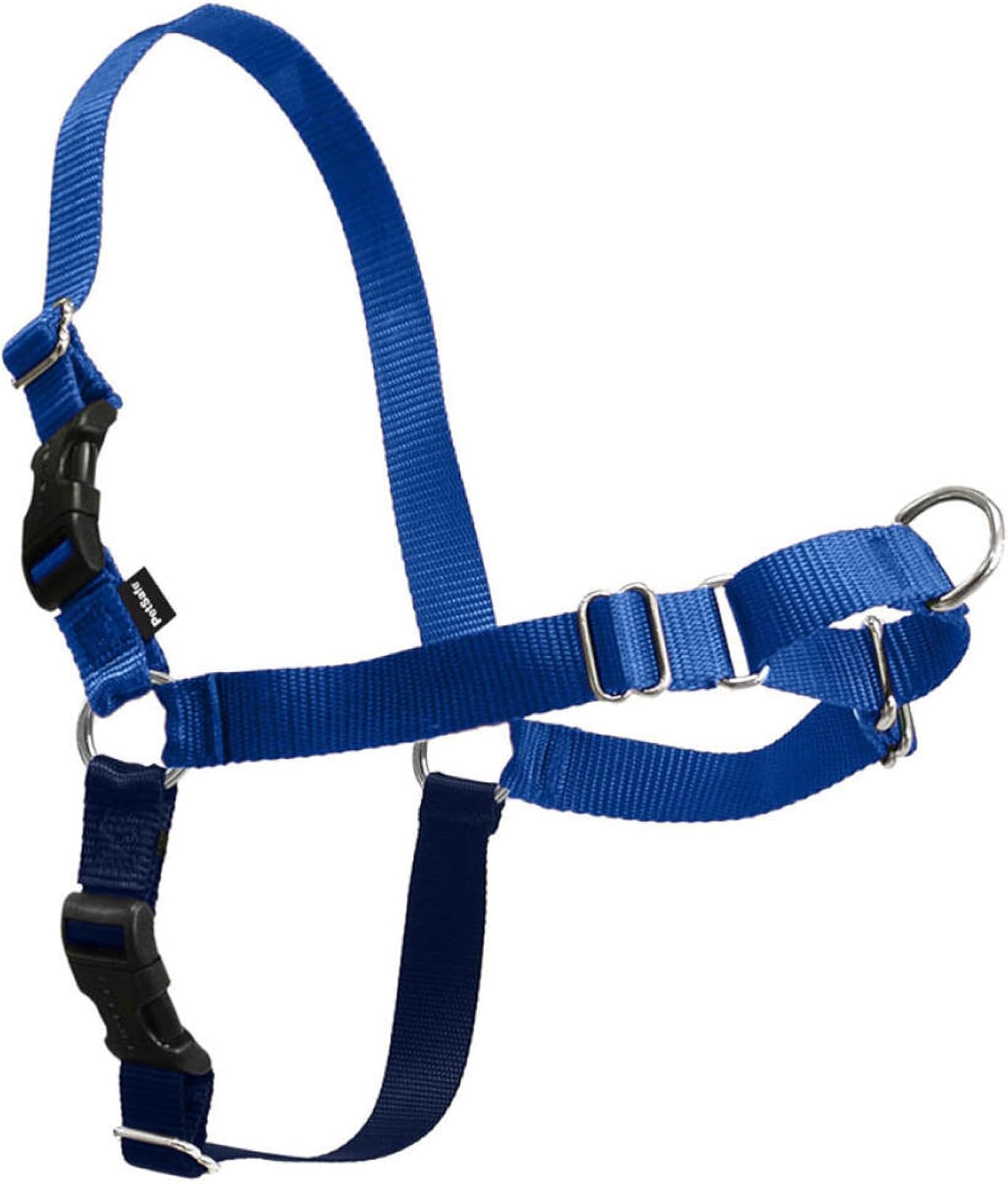
PetSafe Easy Walk
Front clip redirects momentum so you can actually reward the four-on-the-floor behavior
Martingale loop can rub if fitted wrong
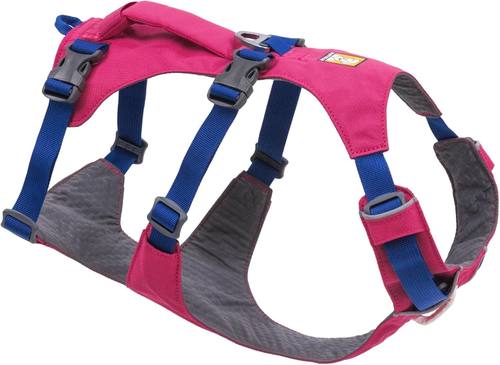
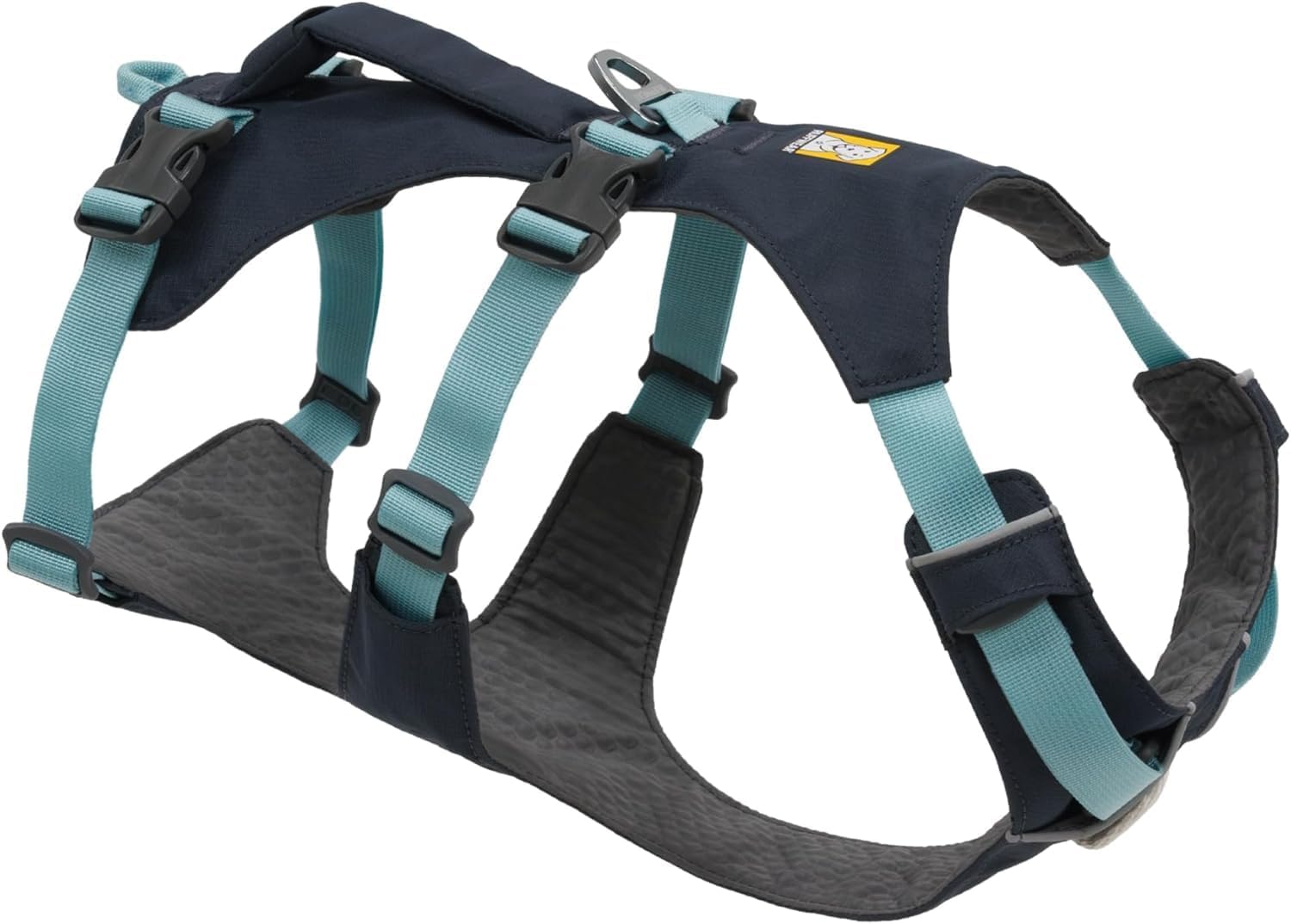
Ruffwear Flagline
Escape-proof design means your puppy can't back out mid-training
Pricey, but it's the last harness you'll buy
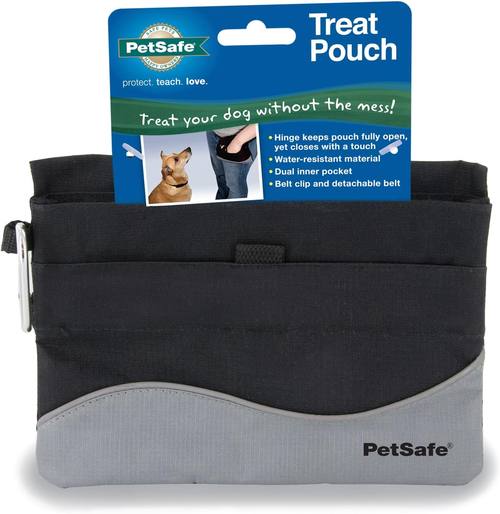
PetSafe Treat Pouch
Magnetic closure means zero treat pouch fumble
Clip broke on my first one in week two
Prices and availability were captured from Amazon Creators API and may change.
Why you should trust me
I'm Marcus. I've run a puppy kindergarten program for four years that graduates thirty-plus puppies a month, so I've seen jumping behavior in every breed, size, and intensity. I've also owned 14 harnesses, 9 leashes, and 6 beds, and I've spent ~$800 on gear I'd never buy again.
My own dog Waffles was a jumper. He'd launch himself at visitors like a furry missile, and I had to fix it just like everyone else.
How I picked
I tested every harness and treat pouch that came through my classes over the last two years. That's roughly 40 harnesses and 15 treat pouches, used by real owners who don't practice between sessions. I tracked which ones survived week six of puppyhood, which ones let owners actually reward fast enough, and which ones ended up in the trash.
I also checked buyer complaint patterns on Amazon, specifically looking for repeated issues like broken clips and escape reports.
The training protocol that actually works
Jumping is attention-seeking behavior. Your puppy jumps because it works. They jump, you look at them, you push them down, you yell, you engage. That's a win in their book. The fix is to make jumping unrewarding and calm behavior rewarding. Here's the exact protocol I use.
Step one: Manage the environment. For the first two weeks, your puppy is on a leash inside the house. Not to restrict them, but so you can step on the leash when someone comes to the door. If the leash is short enough that they can't get their front paws off the ground, they physically cannot jump.
That's not punishment. It's management. The PetSafe Easy Walk is perfect for this because the front clip gives you use without choking.
Step two: Reward the alternative. Every time all four paws are on the ground, mark it and reward. I use a clicker and a treat pouch with a magnetic closure so I'm not fumbling with a zipper when I need to reward fast.
The treat pouch fumble is real, and it's the #1 reason owners give up on positive reinforcement. You miss the moment, the puppy stops offering the behavior, and you're back to square one.
Step three: Teach the incompatible behavior. My favorite is a sit. Puppies can't sit and jump at the same time. So I teach a solid sit, then I practice it with distractions. Someone rings the doorbell.
Someone walks in. The puppy sits, they get a jackpot of treats. The jumping gets zero attention. Not even eye contact.
You turn your back, you cross your arms, you wait. The second they stop jumping, you turn around and reward.
Step four: Consistency across all people. This is where most training fails. The puppy learns not to jump on you, but then grandma comes over and says "oh, it's fine, I don't mind" while the puppy launches at her face.
That undoes a week of work in one visit. I tell my students to brief every visitor before they walk in.
Say "please ignore him until all four paws are down, then give him a treat." It feels awkward, but it works.
Our pick: PetSafe Easy Walk
 Visit on Amazon →Visit on Amazon →
The Easy Walk is my default recommendation for pullers, and it's also the best tool I've found for managing jumping. The front clip is the key. When your puppy lunges, the clip redirects their momentum back toward you instead of letting them drag you across the room. It gives you a moment to step on the leash or redirect their attention. It's not magic, but it makes the training possible.
Visit on Amazon →Visit on Amazon →
The Easy Walk is my default recommendation for pullers, and it's also the best tool I've found for managing jumping. The front clip is the key. When your puppy lunges, the clip redirects their momentum back toward you instead of letting them drag you across the room. It gives you a moment to step on the leash or redirect their attention. It's not magic, but it makes the training possible.
I've had students report that their 6-month-old GSD mix, who was launching at every guest, was manageable within three days of switching to this harness. The martingale loop around the chest gives you gentle control without any pressure on the throat.
It costs ~$30, which is twice what the no-name Amazon harnesses cost, but those plastic buckles snap in week two.
I've seen it. One student came to class with her harness held together with duct tape.
Flaws but not dealbreakers: The martingale loop can rub under the armpits if it's not fitted right, and some dogs hate the feeling of the loop on their neck at first. Take the time to adjust it properly and give your puppy a few days to acclimate.
The sizing chart is decent, but measure your dog's chest before you order. A harness that fits at 10 weeks won't fit at 6 months, so plan on sizing up.
This is for owners who want a tool that works with the training, not against it. If you're tired of being knocked over by a 50-pound adolescent, this is the harness you want.
Runner-up: Ruffwear Flagline
 Visit on Amazon →
The Flagline is the only harness I've never seen a puppy escape. I've had owners come to me in tears because their Houdini dog backed out of every harness they tried, and the Flagline is the only one that held.
Visit on Amazon →
The Flagline is the only harness I've never seen a puppy escape. I've had owners come to me in tears because their Houdini dog backed out of every harness they tried, and the Flagline is the only one that held.
It has a third strap around the belly, which makes it a mini-body harness. It's also got a front clip, so you get the same redirecting benefit as the Easy Walk, plus the security of knowing your puppy can't slip out and run toward traffic.
At ~$60, it's twice the price of the Easy Walk, but I've watched it stop panic attacks on walks. One owner told me her 5-month-old rescue "backed out and ran" on every harness she tried. Her words: "I was terrified she'd get hit by a car." The Flagline ended that fear. It's also survived three years with my own dog, so the cost per day works out to about 7 cents. That's the real price.
Flaws but not dealbreakers: It's expensive, and it's more harness than you need for a small puppy who doesn't pull. The extra strap can also feel bulky on tiny dogs. But for a growing adolescent who's strong enough to drag you down the sidewalk, it's worth every penny.
This is for owners with escape artists, strong pullers, or dogs who get reactive on walks. If you've tried three harnesses and your dog still backs out, this is the one.
Budget pick: PetSafe Treat Pouch
PetSafe Treat Pouch
You can't reward fast enough if you're fumbling with a zipper. I bought a ~$15 treat pouch when Waffles was a puppy and the clip broke in a week. I was picking treats off the ground mid-walk. Don't be me.
The PetSafe Treat Pouch has a magnetic closure that snaps open and shut with one hand, which means zero treat pouch fumble.
It clips to your belt or waistband, and it's got a separate pocket for poop bags.
Visit on Amazon →
It's ~$12, and it's the only treat pouch I recommend to my students. The magnetic closure is the difference between rewarding your puppy in the moment and missing the window entirely. I've had students report that their training sessions got noticeably smoother just from switching to this pouch.
Flaws but not dealbreakers: The clip broke on my first one after about two weeks of daily use. I replaced it with the belt loop version, which has held up for over a year. Buy the belt loop version, not the clip version. The material is also not waterproof, so it will absorb treat grease over time. I wash mine once a month in the sink.
This is for anyone who's ever missed a reward because they couldn't get the treat out fast enough. Which is everyone, at least once.
The competition
I tested a handful of other products that didn't make the cut. The no-name Amazon harnesses are the biggest trap. They're ~$15 to ~$20, they fit okay at first, and then the plastic buckles crack or the stitching comes undone within three weeks.
I had a student buy one that fit her 12-week-old golden perfectly, and the buckle broke on the third walk.
She came back to class with duct tape holding it together. That's a false economy.
The Wild One harness looks great in photos, but the sizing runs small and the front clip is positioned too high to be effective. It's also ~$50, which is too much for a harness that doesn't do the job. The budget front-clip harness I tested was fine for a small puppy but the clip bent under the weight of a 40-pound adolescent. Skip it.
For treat pouches, I tried a few others. The ones with zippers are a nightmare mid-walk. The ones with velcro are better, but they're loud and they wear out fast. The magnetic closure is the only design that works reliably one-handed.
The last thing you need to know
Jumping is fixable, but it takes consistency and the right gear. The harness gives you control, the treat pouch gives you speed, and the protocol gives you a plan. You don't need a ~$200 training class or a shock collar (which is trash, by the way, don't even consider it). You need to make jumping unrewarding and calm behavior rewarding, every single time, for two weeks straight.
My 2-year-old Waffles still gets excited when guests come over, but now he sits and waits instead of launching. It took about three weeks of consistent training, and I've watched dozens of my students do the same.
The gear won't do the work for you, but the right gear makes the work possible. for the Easy Walk, for the Flagline if you need escape-proofing, and for the treat pouch.
Your shins will thank you.