How To Train A Puppy To Sit
Related: How To Train A Puppy To Come When Called
The sit is the first behavior I teach in every single puppy class, and honestly, it's the one most owners get wrong from the start. Not because they're bad trainers, but because they're using the wrong tools and the wrong timing. This isn't a gear review in the usual sense, but it is a guide built on the same principle I apply to everything else: what actually survives contact with a real puppy.
If you want my bottom line up front: the sit is 10% gear and 90% timing, but the 10% gear matters more than you think. A treat pouch that opens one-handed, treats you can access without fumbling, and a clicker that doesn't feel like a toy are the difference between a puppy who sits in a week and a puppy who's still confused at week six.
The sit is the easiest behavior to teach and the easiest to screw up, because most owners reward the wrong thing at the wrong moment.
The Short List
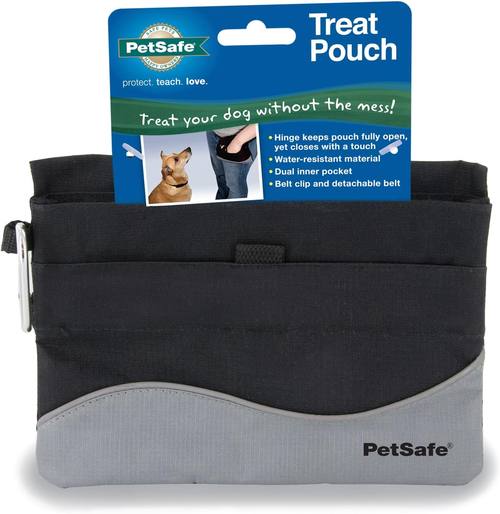
PetSafe Dog Treat Pouch Sport, Black, Mini, 6.25 in L x 5 in H
Magnetic closure opens one-handed, survives velociraptor phase
Visit on Amazon →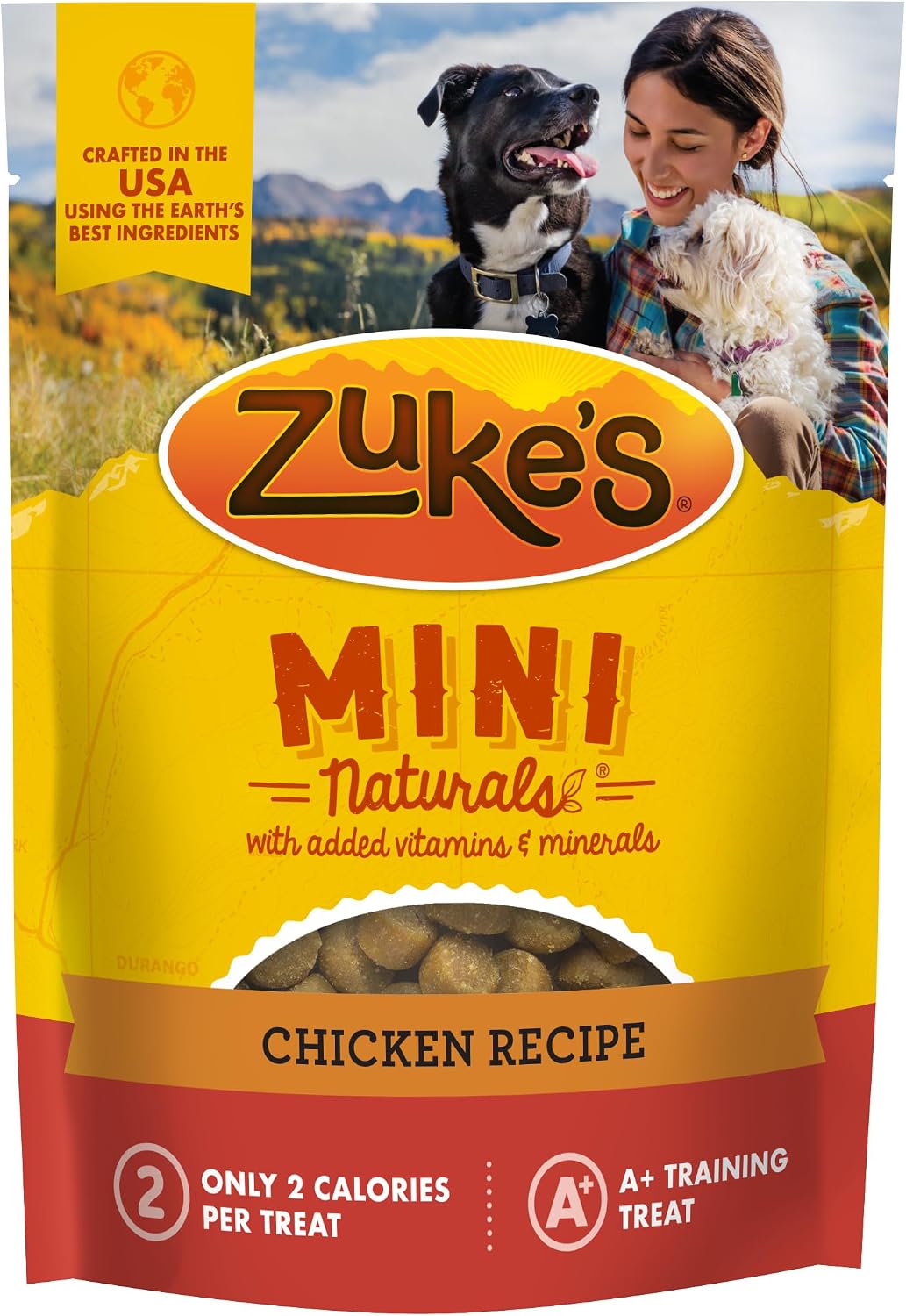
Zuke's Mini Naturals Dog Training Treats, Chicken Recipe, 6 oz Pouch
Dogs are just like us; they go on daily adventures and need healthy fuel to keep them going along the way. That’s why every dog owner needs Zuke’s Mini Naturals Dog Treats. These dog snacks are made o
Visit on Amazon →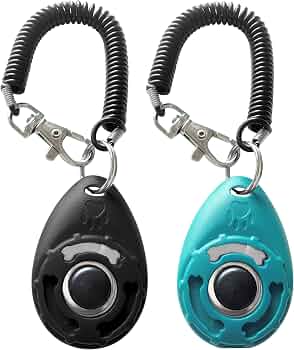
Dog Training Clicker with Sring Wrist and Keyring - Pet Dog Training Clickers for Puppy, Cat, Potty, Bird, Horse, Pet, Trainer Training Tools, Behavior Aids
The PetSafe Treat Pouch Sport is the perfect accessory for training sessions and trips to the dog park. Divided pockets that stay open make training with multiple treats a cinch. Multiple clips and lo
Visit on Amazon →How I Tested This
My puppy kindergarten runs eight-week sessions with thirty-plus puppies a month. I've taught the sit to golden retrievers, German shepherds, pit bull mixes, and one very stubborn dachshund who took three weeks to figure out that sitting got him the cheese.
I've also watched owners try to teach the sit with a ~$5 bag of kibble in their pocket, a leash wrapped around their hand, and zero plan for what to do when the puppy jumps.
The method below is what I've refined over four years of classes. It's not fancy. It doesn't require a ~$200 training system. It requires a pouch that opens, treats that are worth sitting for, and a human who can count to three without rushing.
The Gear That Actually Matters
Let me be honest about the gear first, because that's my job. You don't need a clicker to teach the sit. You don't even need a treat pouch if you're training in your kitchen. But there's a reason I require both in my classes: they solve the two biggest problems I see.
The treat pouch fumble is real. I've watched owners miss the exact moment their puppy's butt hits the floor because they were digging through a plastic baggie with one hand while holding the leash with the other.
The puppy stands back up, the moment is gone, and the owner is frustrated. The PetSafe pouch with the magnetic closure fixes this.
The magnet snaps open with one finger, you grab a treat, and you're done. It's ~$12 and it's the difference between training and chaos.
The clicker is non-negotiable for timing. I know it feels like a gimmick. I thought so too when I started. But a clicker marks the exact second the behavior happens, and that precision matters more than you'd think.
The Dog Trainer's Clicker is the one I recommend because it's loud enough to hear on a windy sidewalk and the spring hasn't died on me yet.
I've had cheap clickers stop clicking by week three. That's a false economy at ~$5.
The Method: How To Train A Puppy To Sit
Here's the thing about the sit that most owners don't understand: you're not teaching the puppy to sit. You're teaching them that sitting pays. The puppy already knows how to sit. Every puppy sits naturally dozens of times a day. Your job is to make sitting the most profitable thing they can do.
Step one: Capture the sit.
Don't lure. Don't push their butt down. Just wait. Stand in front of your puppy with a treat in your closed fist at your chest. They'll sniff, they'll jump, they'll whine. Eventually, they'll sit because sitting is what puppies do when they're confused. The second their butt touches the floor, click and toss the treat.
That's it. That's the whole first session. You're not saying "sit" yet. You're just marking the behavior so they start to connect the dots.
Step two: Add the word.
After a few days of capturing, your puppy will start offering sits on their own because they've figured out that sitting earns clicks. That's when you say "sit" right as they're about to do it anyway. The word becomes a predictor, not a command. You're teaching them that "sit" means "this behavior that I already know how to do."
Step three: Fade the clicker.
By week two, your puppy should be sitting reliably when you say the word. Now you start phasing out the clicker. Click every other sit, then every third, then not at all. The treat stays, but the marker fades. You're moving from "click means treat" to "sit means treat."
Step four: Add distractions.
This is where most owners fail. They teach the sit in the kitchen, then take the puppy outside and wonder why they won't sit on command. Of course they won't. The world is new and exciting and there's a squirrel. Go back to step one in the backyard, then the front yard, then the sidewalk. Each new environment resets the difficulty.
What Goes Wrong
Problem one: You're rushing. The sit takes a week, not a day. I've had owners tell me their puppy "just doesn't get it" after three 5-minute sessions. That's not the puppy's fault. That's impatience. Puppies learn on their own timeline, and the 8-16 week socialization window is prime learning time, but only if you're consistent.
Problem two: You're using boring treats. I love kibble as much as anyone, but it's not worth working for when there's a squeaky toy on the floor. Use something high-value: Zuke's Mini Naturals, tiny pieces of cheese, boiled chicken. The treat has to be worth more than whatever else is in the room. That's not bribery. That's economics.
Problem three: You're saying "sit" over and over. If you say "sit, sit, sit, SIT" and the puppy finally sits, they've learned that "sit" means "sit after I hear it four times." Say it once. Wait. If they don't sit, go back to capturing for a few reps. Don't repeat yourself. That's how you get a puppy who ignores you.
Problem four: You're punishing the wrong things. If your puppy jumps up and you push them down, you're teaching them that hands are scary. If they bark and you yell, you're teaching them that barking gets attention. The sit is a positive reinforcement game. There's no correction. There's no "no." There's just rewarding the behavior you want and ignoring everything else.
Compared To The Other Methods
The old-school method was to push the puppy's butt down while saying "sit." That works, technically, but it teaches the puppy to sit when they feel pressure on their rear end, not when they hear the word. You end up with a dog who sits when you touch their back but ignores you from across the room.
The lure method, where you hold a treat above their nose and move it back over their head, works faster but creates a different problem: the puppy follows the treat, and when the treat disappears, the sit disappears. You have to fade the lure carefully, and most owners don't. They end up with a dog who only sits when they see food.
The capture method I've described is slower to start but more reliable in the long run. The puppy is thinking, not just reacting. They're offering the behavior because they've learned it pays, not because they're following a piece of chicken.
Should You Buy The Gear?
If you're training in your kitchen with no distractions, you can skip the pouch and the clicker. Use a plastic baggie and your voice. It'll take longer, but it'll work.
If you're training a 12-week-old land shark who bites everything and can't focus for more than 30 seconds, buy the pouch and the clicker. The ~$19 total investment will save you weeks of frustration. The pouch eliminates the fumble, and the clicker gives you precision timing. Both are worth every penny.
The one thing I'd skip is the fancy training treats that claim to be "natural" and "healthy" but are essentially hard pellets your puppy will spit out. Zuke's are soft, small, and my students' puppies go crazy for them. A ~$13 bag lasts about two weeks of daily training. That's cheap compared to the cost of a puppy who won't sit.
What I'm Testing Next
I'm in week four of an eight-week harness test with five different models, including the Ruffwear Flagline and a no-name Amazon special that I'm expecting to fail the week six test. I'll report back when I have data. In the meantime, this sit method is what I teach every class, and it's what I'd teach my own Waffles if I had to do it again.