I have run a puppy kindergarten out of a church basement in Denver for four years, and roughly 30 puppies a month come through it. Every one of them arrives with a bag of gear their owner assembled during one late-night ordering spree. The pattern barely changes: a harness rubbing the armpits raw, treats the size of golf balls, a clicker still in the wrapper, and no plan for week three. This puppy training starter kit comparison is the list I would hand that owner instead, because it covers the four jobs a new puppy actually needs help with: payment, marking, confinement, and a curriculum for the human.
Related: Crate Training Schedule For A Puppy's First Two Weeks
If you only buy two things from this list, buy the treats and the clicker, because a marker plus a payment is the entire engine of puppy training. The crate protects your drywall and your puppy's bladder schedule. The book is for the month after class ends, which is exactly when most owners quietly stop practicing and then blame the dog.
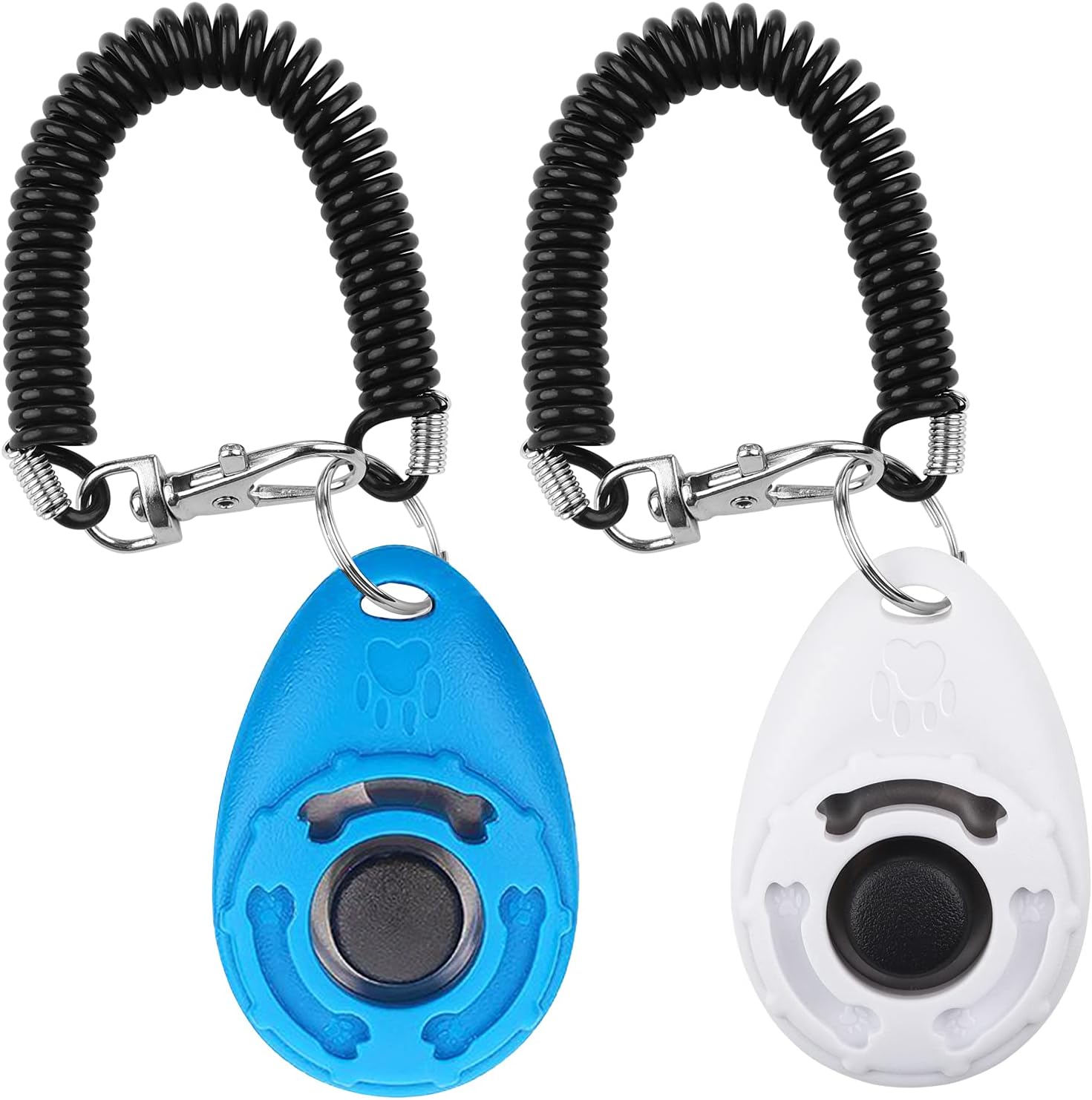
Diyife Dog Clicker for Training, 2 Pack Dog Training Clicker
Two clickers means one lives in your jacket pocket and one lives in the class bag, so you are never hunting for it mid-session. The click carries across a noisy room.
No instructions in the box. If you do not already know how to charge a clicker, it is just a plastic noise maker, and a click with no treat behind it teaches the puppy to ignore the click.
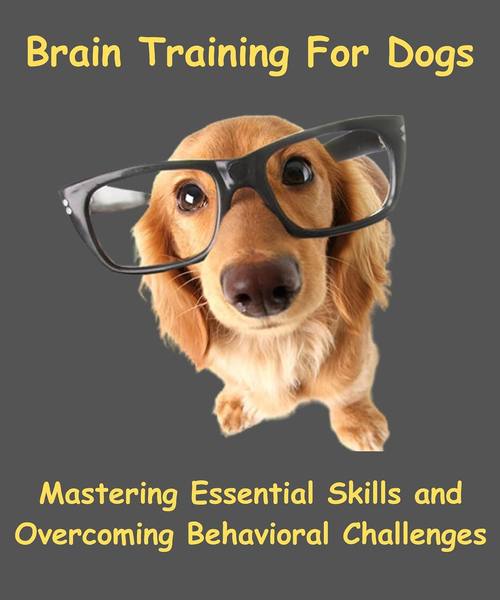
Brain Training For Dogs - Mastering Essential Skills And Overcoming Challenges
Gives a first-time owner a sequence instead of a pile of disconnected tricks, and the progressive exercises line up with how I build duration and distraction in class.
A book cannot fix your timing. Reading about shaping is not the same as doing it, and owners who skip the practice will get nothing back from it.
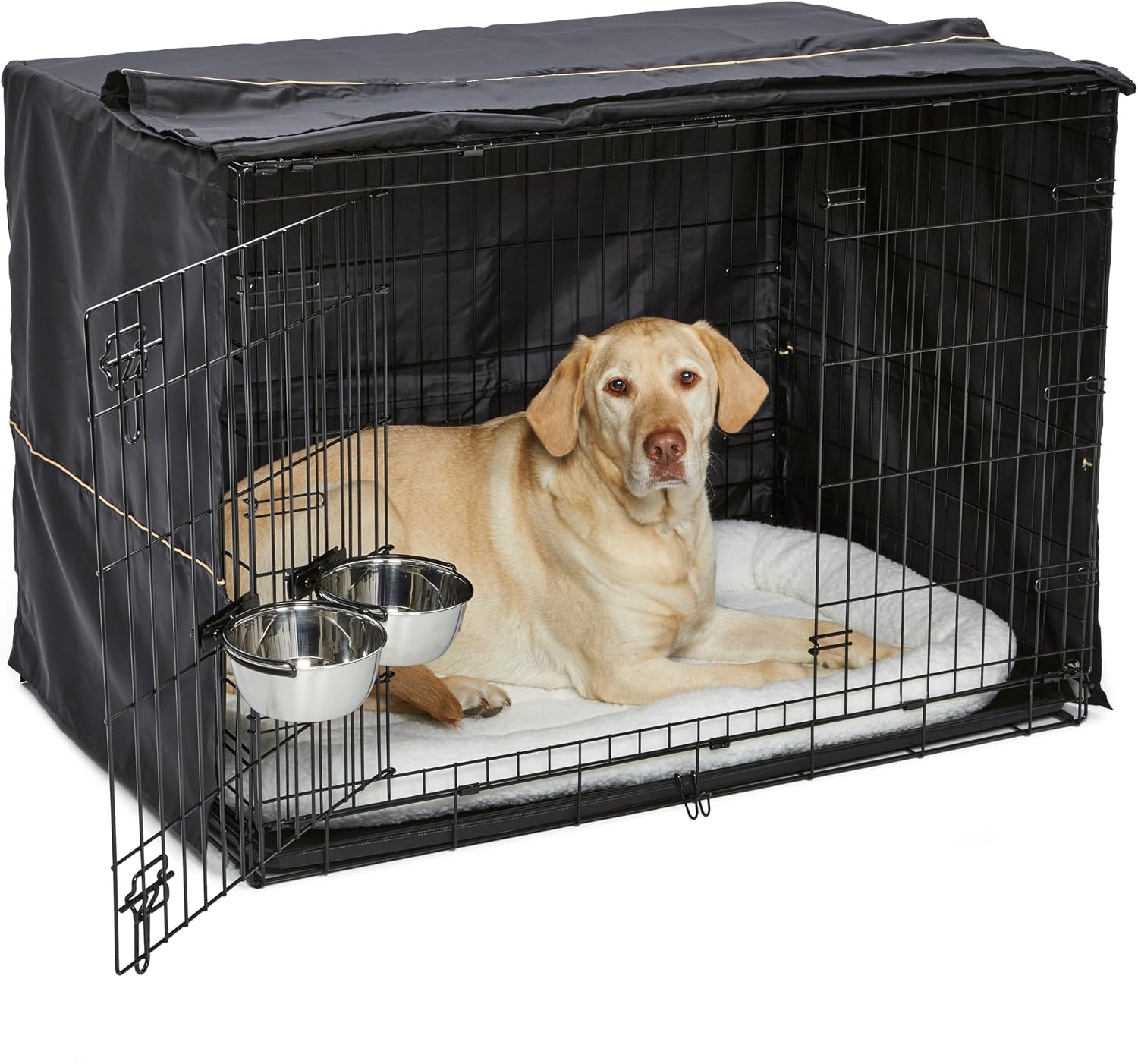
MidWest Homes for Pets Double Door iCrate Starter Kit, 42-inch Dog Crate Bundle for Large Dogs, Includes Cage, Pet Bed, 2 Bowls and Privacy Cover
Two doors mean you can push it against a wall or into a corner and still open it. The bundle removes three separate purchases, and the divider lets the crate grow with the puppy instead of being replaced at 16 weeks.
42 inches is a large-dog size. If you have a toy breed, you are buying a crate your puppy can rattle around in, and the included bowls are convenient rather than good.
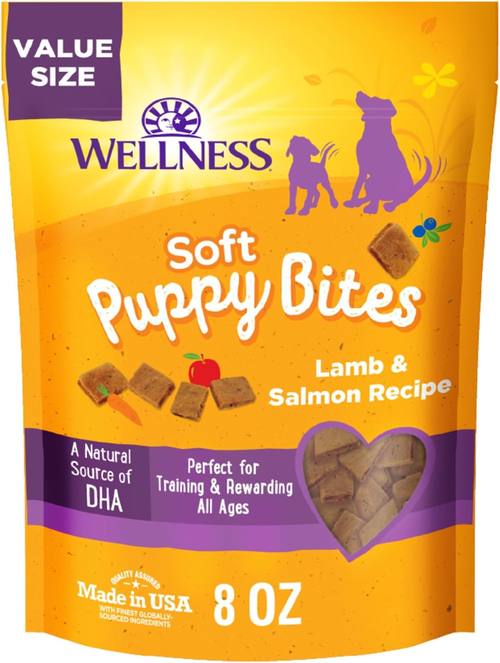
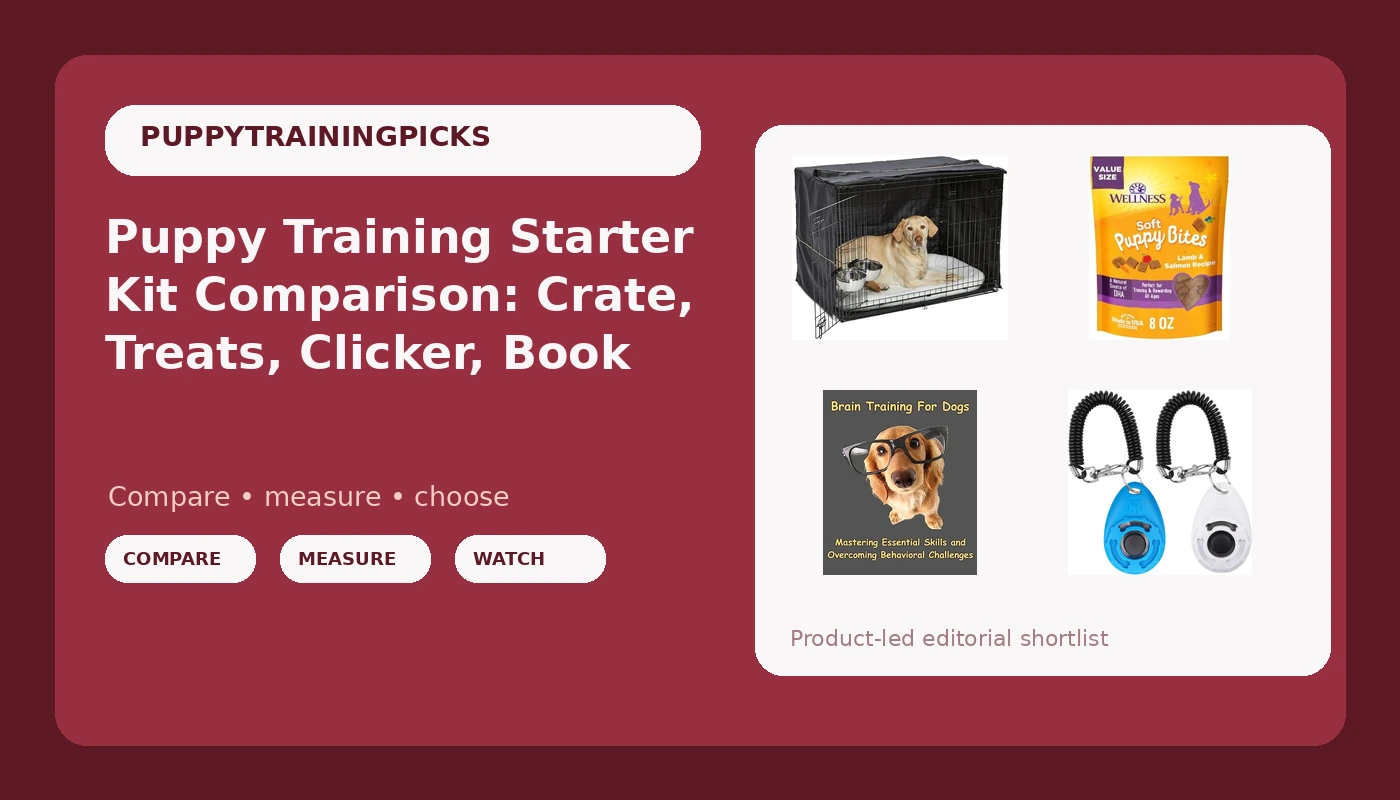
Wellness Soft Puppy Bites Dog Training Treats, Natural, Grain Free, Lamb and Salmon Recipe, 8 oz Bag
Soft enough to tear into quarters with a thumbnail, which is the whole game for a puppy with a 40-second attention span. Palatable enough that most puppies will work for it on a busy sidewalk.
An 8 oz bag disappears fast once you are training three times a day, "grain free" is a marketing word rather than a training advantage, and the pieces still need to be broken down for a 10-week-old.
Prices and availability were captured from Amazon Creators API and may change.
How I judge gear for a puppy training starter kit
Four questions, every time. Does it rely on pain or fear? Can a first-time owner use it correctly without a class standing over them? Does it survive week six, when the puppy has turned into a teenager with opinions? Would I use it in my own class, in front of paying clients?
Almost nothing marketed as puppy gear passes all four. Shock and vibration collars fail the first question and they fail it at every age, which is why you will not find one in this article or in my building. Pee pads fail the second question the moment your goal is outdoor potty training, because you are paying money to teach a puppy that the carpet is a bathroom. The four items below pass, and they pass for different reasons.
Treats: the payment system
Start here, because nothing else works without them. Treats are not a bribe. They are payment for work performed, and the size of the payment matters more than the brand on the bag. A puppy training treat should be pea-sized at most, soft enough to swallow in one motion, and boring enough that the puppy does not stop to chew.
Wellness Soft Puppy Bites hit the texture target. They squish rather than crumble, so you can pinch one into quarters and get four reps out of it. That matters because a 10-week-old puppy doing 20 reps in a five-minute session should not be eating 20 full treats. I tell owners to budget treats like calories, and the soft format makes that math possible.
Two honest criticisms. First, the bag is small for the amount of training a puppy needs, so plan on going through it and buy accordingly. Second, the grain-free label is doing marketing work, not training work. Grain free does not make a treat more rewarding. Soft, small, and smelly make a treat more rewarding, and this one happens to be all three.
The step everyone skips comes later: fading. Once the puppy knows a behavior in three different rooms, you start paying less often and praising more. If you never fade, you end up with a 3-year-old dog who only sits when he sees a bag. The treats got you there. They are not supposed to be the destination.
The clicker: the cheapest tool in the bag
A clicker is a marker. It says "that exact thing, right there" faster than your voice can, and it buys you a half-second of precision that a spoken word cannot match. It is also the tool most owners abandon by day three, usually because nobody told them how to charge it.
Charging is simple. Click, treat. Click, treat. Twenty reps in a quiet kitchen, and the puppy learns that the sound predicts payment. Only after that does the click start marking behaviors, and only then does timing matter. If you click late, you paid for the wrong behavior, and the puppy learns the wrong lesson.
The Diyife 2-pack solves a specific problem I see in class every single week: one clicker is never where you need it. Keep one in your pocket and one in the car, the class bag, or the kitchen drawer, and you stop losing training momentum to a search.
The criticism is real, though: this is a clicker sold without a training plan. That is a pet peeve of mine, because a clicker with no instructions is how people end up clicking constantly and rewarding nothing. Buy it, then learn the charge-and-mark sequence before you use it on a live puppy. And never click without a treat in reach. A click that does not pay is worse than no click at all.
The crate: the one piece of hardware worth buying new
Crate training is not cruel. A crate is a den, and the cruel version of this argument is leaving a puppy loose in a house where he can eat drywall, chew an electrical cord, and practice peeing on the rug 40 times before you get home. The crate is how you keep the puppy safe and keep the potty schedule intact.
The MidWest Homes for Pets Double Door iCrate Starter Kit in the 42-inch size is the bundle I point large-breed owners toward. Two doors sound like a small detail until you have a crate wedged into a corner and realize you can only reach the puppy from one side. The divider panel is the feature I care about most, because it lets you shrink the crate to puppy size and expand it as he grows, which is how you avoid a puppy who sleeps in one corner and eliminates in the other.
The bundle also throws in a pet bed, two bowls, and a privacy cover, which removes three separate orders from your first month. Do not treat any of those as premium gear. The bed is a bed. The bowls are bowls. The cover is genuinely useful for the first two weeks, when a puppy settles faster with the crate partly darkened.
The trade-off is sizing. This is a large-dog crate, so if you are bringing home a breed that tops out under 20 pounds, you are buying a cavern your puppy will rattle around in, and a too-big crate works against the den instinct. Size down, keep the divider, and accept that you may buy a second crate in a year.
The book: structure for the owner, not the dog
Everything above is gear. This one is a curriculum, and it is aimed at the person holding the leash.
Brain Training For Dogs - Mastering Essential Skills And Overcoming Challenges works for the owner who wants a sequence to follow instead of a random pile of YouTube tricks. The progression in a book like this is the same progression I use in class: capture a behavior the puppy offers naturally, shape it into something more specific, add duration, add distance, then add distraction. That order is not optional. Owners who start with distraction get a puppy who can sit in the kitchen and nowhere else.
Where it loses is the obvious place. A book cannot watch your hands. It cannot tell you that you are clicking a full second after the puppy's rear end hits the floor, and it cannot see that your puppy is already over threshold because a Labrador is walking past 30 feet away. If your puppy is reactive, fearful, or already lunging on leash, put the book down and hire a force-free trainer. Books build skills. They do not treat problems.
The order I introduce them
Treats first, because you need a payment system before anything else means anything. Charge the clicker in the same week, in the kitchen, with no distractions. Set the crate up in the room where the family actually spends time, feed meals in it, and let the puppy walk in and out with the door open for a few days before you ever close it. Then, once the puppy is sleeping through the night, open the book and start working the early exercises in five-minute sessions.
That sequence matters more than any single purchase. The tool is maybe 10 percent of training. The other 90 percent is timing, consistency, and an owner who actually shows up between sessions.
Trade-offs and what to skip
Skip anything that relies on pain or fear, at any age, without exception. Skip pee pads if your goal is outdoor potty training. Skip treats you have to break with two hands. Skip clickers that ship with no explanation, unless you are willing to learn the method yourself, which is what the Diyife two-pack assumes.
Also skip the idea that gear solves the problem. I have watched owners buy a new crate, a new clicker, and a new bag of treats in the same week and still not practice. The puppy is not stubborn. The puppy is untrained, and the training happens in five-minute sessions, repeated daily, for months.
What I'm testing next
I am in the middle of a treat and leash test with 8 brands and 30 puppies, including a distraction test at a busy park, and most of the treats are failing by session two. Too big, too crumbly, or interesting enough that the puppy stops working and starts chewing. I will report back on which ones survive week six, because that is the only timeline that matters.
Until then, start with the clicker and the treats, set the crate up before the first night, and treat the book as your homework rather than your trainer.